

- Events
- Australia Day
- Bastille Day
- Burns Night
- Christmas
- Darts
- Day of the Dead
- Eurovision
- Festivals / Summer
- Halloween
- Halloween Accessories
- Nativity
- Oktoberfest
- Olympics
- Pride
- Red Nose Day
- School Play Costumes
- St Andrew's Day
- St Davids Day
- St Georges / England Supporters
- St Patricks Day
- Six Nations Rugby
- Stag Do
- Summer
- Thanksgiving
- VE Day
- World Book Day
- Adult World Book Day Costumes
- 4th July

- Themes
- Animals
- Around The World
- Book Characters
- British
- Chocolate Factory
- Cops & Robbers
- Cosplay
- DC
- Doctors and Nurses
- Fairytale
- Funny / Novelty
- Gangster
- Harry Potter
- Hawaiian / Summer
- Heroes and Villains
- Historical
- Army, Air Force & Naval
- Mexican Fiesta
- Pick Me Up
- Pink Cowgirl Hat Aesthetic
- Pirates
- Popstars and Celebrities
- Pre Historic
- Religious
- Sexy Costumes
- Sports
- Star Wars
- Steampunk
- Suits
- Tiger King
- TV, Film and Game
- Wild West
- Wizard of Oz
- Wizards & Witches
- 2000s
- 1990s
- 1980s
- 1960s 1970s
- 1950s
- 1940s
- 1920s


- Cosmetics
- Body Crayons
- Eye Liner
- Fabric Paint
- Face & Body Paint
- Face Jewels
- Fake Blood
- FX Fluids
- Glitter Fixatives
- Glitter Gel
- Glitter Shaker
- Hair Colour Spray
- Hair Gel
- Hair Streaks
- Lipgloss
- Lipstick
- Lip Tattoos
- Loose Glitter
- Mascara
- Nail Polish
- Pigment Shakers
- Pro Face Paint Cake Pots
- Scars, Wounds, Prosthetics & FX

- Accessories
- Bandanas & Scarves
- Belts
- Braces
- Capes
- Elf Accessories
- Eye Lashes
- Facial Hair
- Feather Boas
- Glasses
- Gloves
- Guns, Weapons & Swords
- Hats & Headwear
- Hosiery
- Inflatables
- Jewellery
- Masks
- Masquerade Masks
- Nipple Pasties
- Pacifiers
- Props
- Sets & Kits
- Shoe Covers
- Shoes / Boots
- Sleeves
- Teeth
- Ties & Bowties
- Tutus & Underskirts
- Wigs
- Wings & Wands
- Other


- Gifts by Category
- Alternative
- Balloon Dog Sculptures
- Batteries
- Colouring Books
- Decorative Accessories
- Food & Drink
- Fragrance
- Gadgets & Tech
- Gift Sets
- Gifts for the Home
- Homeware
- Jewellery
- Keepsakes
- Knitting Wool
- Life
- Luggage & Suitcases
- Miscellaneous
- Ornaments
- Personalised Gifts
- Puzzle Books
- Puzzles
- Slippers
- Smoking
- Stationery
- Umbrellas
- Vehicle
- Wallets & Purses
- Warmies



-
- Australia Day
- Bastille Day
- Burns Night
- Christmas
- Darts
- Day of the Dead
- Eurovision
- Festivals / Summer
- Halloween
- Halloween Accessories
- Nativity
- Oktoberfest
- Olympics
- Pride
- Red Nose Day
- School Play Costumes
- St Andrew's Day
- St Davids Day
- St Georges / England Supporters
- St Patricks Day
- Six Nations Rugby
- Stag Do
- Summer
- Thanksgiving
- VE Day
- World Book Day
- Adult World Book Day Costumes
- 4th July
-
- Animals
- Around The World
- Book Characters
- British
- Chocolate Factory
- Cops & Robbers
- Cosplay
- DC
- Doctors and Nurses
- Fairytale
- Funny / Novelty
- Gangster
- Harry Potter
- Hawaiian / Summer
- Heroes and Villains
- Historical
- Army, Air Force & Naval
- Mexican Fiesta
- Pick Me Up
- Pink Cowgirl Hat Aesthetic
- Pirates
- Popstars and Celebrities
- Pre Historic
- Religious
- Sexy Costumes
- Sports
- Star Wars
- Steampunk
- Suits
- Tiger King
- TV, Film and Game
- Wild West
- Wizard of Oz
- Wizards & Witches
- 2000s
- 1990s
- 1980s
- 1960s 1970s
- 1950s
- 1940s
- 1920s
-
- Body Crayons
- Eye Liner
- Fabric Paint
- Face & Body Paint
- Face Jewels
- Fake Blood
- FX Fluids
- Glitter Fixatives
- Glitter Gel
- Glitter Shaker
- Hair Colour Spray
- Hair Gel
- Hair Streaks
- Lipgloss
- Lipstick
- Lip Tattoos
- Loose Glitter
- Mascara
- Nail Polish
- Pigment Shakers
- Pro Face Paint Cake Pots
- Scars, Wounds, Prosthetics & FX
-
- Bandanas & Scarves
- Belts
- Braces
- Capes
- Elf Accessories
- Eye Lashes
- Facial Hair
- Feather Boas
- Glasses
- Gloves
- Guns, Weapons & Swords
- Hats & Headwear
- Hosiery
- Inflatables
- Jewellery
- Masks
- Masquerade Masks
- Nipple Pasties
- Pacifiers
- Props
- Sets & Kits
- Shoe Covers
- Shoes / Boots
- Sleeves
- Teeth
- Ties & Bowties
- Tutus & Underskirts
- Wigs
- Wings & Wands
- Other



-
- Alternative
- Balloon Dog Sculptures
- Batteries
- Colouring Books
- Decorative Accessories
- Food & Drink
- Fragrance
- Gadgets & Tech
- Gift Sets
- Gifts for the Home
- Homeware
- Jewellery
- Keepsakes
- Knitting Wool
- Life
- Luggage & Suitcases
- Miscellaneous
- Ornaments
- Personalised Gifts
- Puzzle Books
- Puzzles
- Slippers
- Smoking
- Stationery
- Umbrellas
- Vehicle
- Wallets & Purses
- Warmies

What Is a Deadlock on a Door?
by Darren Butler
Last updated: Oct 10, 2025
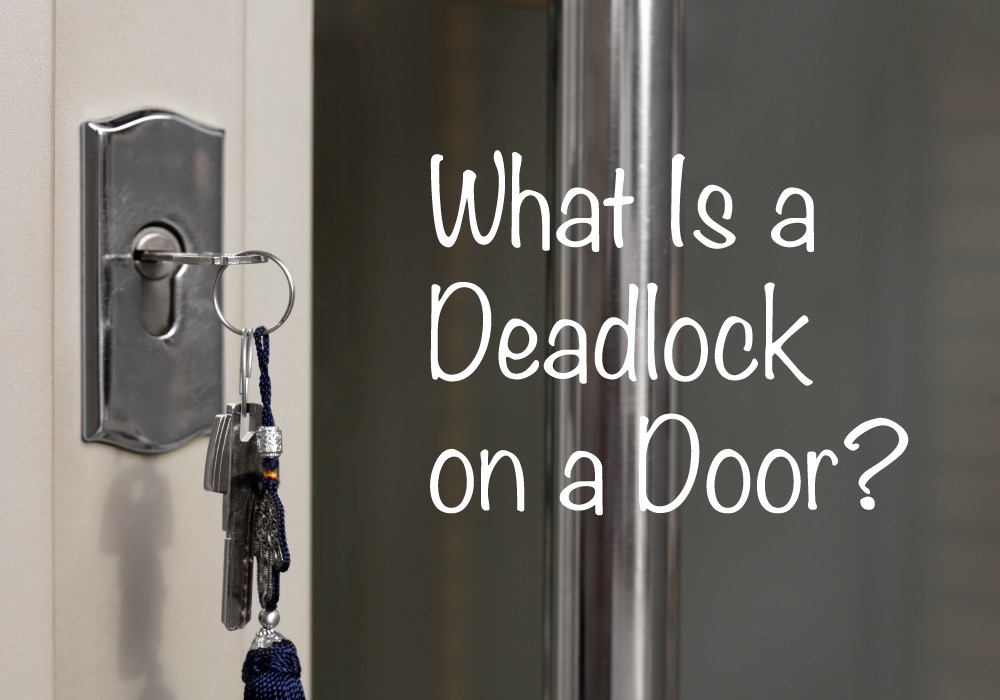
A deadlock is a type of locking mechanism that is commonly used to secure doors in residential, commercial, and industrial settings. Its primary function is to provide a high level of security by preventing unauthorized access. Unlike standard spring bolt locks, which are operated by a key or latch, a deadlock has a deadbolt that cannot be retracted unless the key is used. This makes it a more secure option, particularly for external doors where enhanced protection is needed. In this blog, we will explore what a deadlock is, how it works, its types, and why it's an essential part of home security in the UK.
What Is a Deadlock?
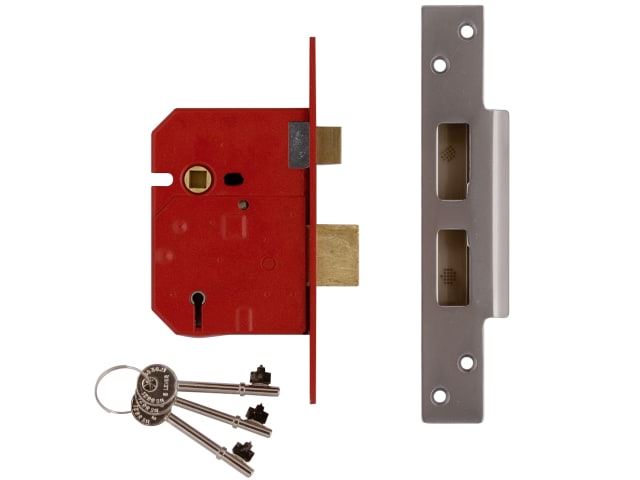
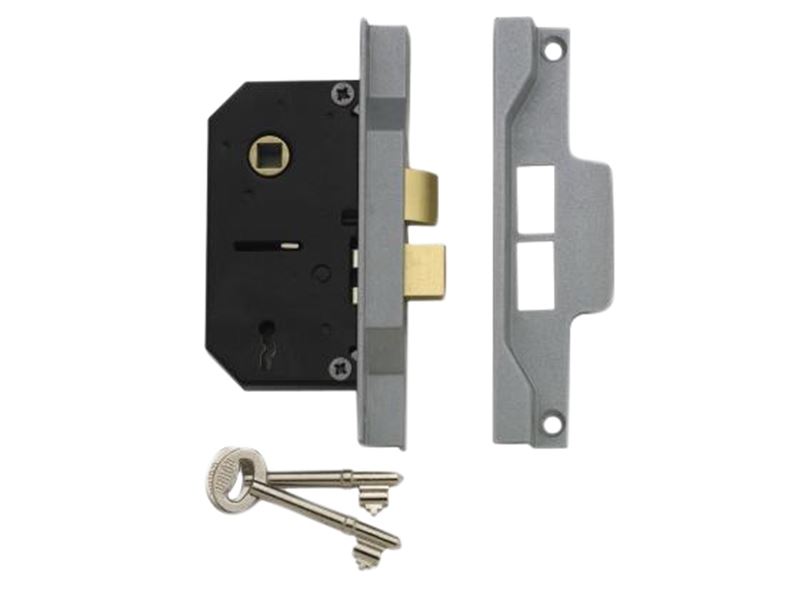
A deadlock is a type of lock that secures a door in place using a deadbolt. The deadbolt is a solid metal bolt that slides into the doorframe, securing the door when engaged. Deadlocks are often used on external doors, providing a higher level of security compared to standard spring bolt locks or latch locks. The term “deadlock” refers to the fact that the lock cannot be moved or unlocked without the appropriate key, meaning there is no way to open the lock without the key or unlocking mechanism, even from the inside.
In the UK, deadlocks are commonly used in residential homes, offices, and commercial establishments, providing an extra layer of security against break-ins. Unlike other types of locks, deadlocks have no spring mechanism and require a key to operate. This makes them more difficult for burglars to bypass, offering enhanced protection for homeowners and businesses alike.
How Does a Deadlock Work?
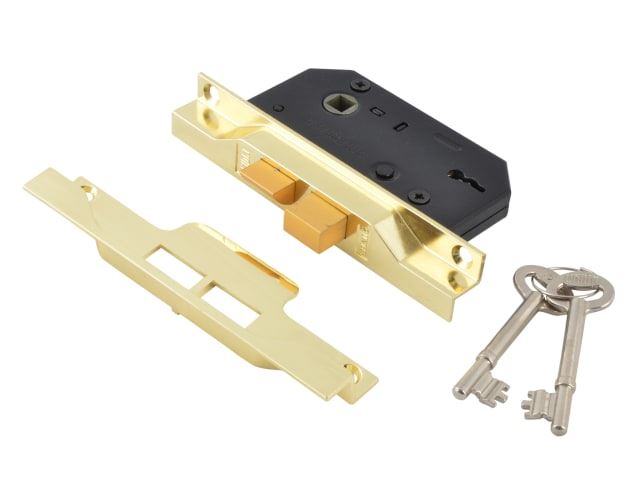
The operation of a deadlock is fairly simple, but effective. The key is inserted into the lock, which turns the deadbolt inside the lock mechanism. When the deadbolt is extended, it slides into the strike plate on the doorframe, securing the door firmly in place. In the locked position, the deadbolt cannot be retracted from the outside unless the key is turned, and there is no latch mechanism to be bypassed by pulling or forcing the door open.
When the key is turned in the opposite direction, the deadbolt retracts, allowing the door to open. Some deadlocks also feature a turn knob or thumb turn on the inside of the door, which allows the door to be locked or unlocked from the inside without using a key. However, the deadbolt can only be retracted using the key when the door is locked from the outside.
This one-way locking mechanism makes deadlocks an excellent choice for securing doors against forced entry, as it requires the thief to either have the correct key or use other means, such as a crowbar or drill, to break the lock.
Different Types of Deadlocks
Deadlocks come in various forms, each designed to serve a specific purpose or provide a unique feature. Some of the most common types of deadlocks include:
- Standard Deadlocks
The most common form of deadlock, a standard deadlock is typically used on wooden or metal doors. It features a single bolt that locks into place and requires a key to unlock. These are often fitted to front doors, as they are easy to operate and offer a solid level of security. - Night Latches
A night latch is a variation of a deadlock that automatically locks when the door is closed. These locks are often used in conjunction with a standard deadlock for added security. Night latches are commonly used on external doors, and they offer the convenience of automatically securing the door without needing to manually turn a key.
 Sash Deadlocks
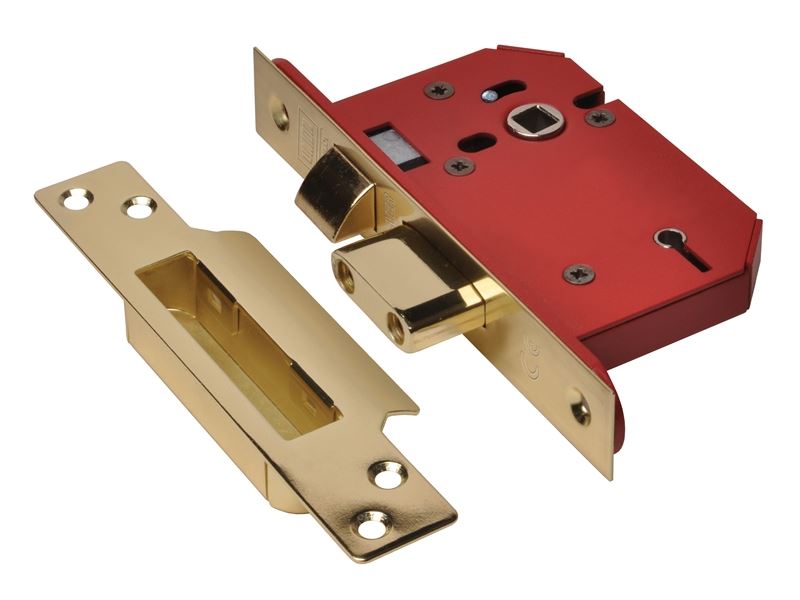
Sash deadlocks are designed for use on sash windows or doors, where the lock can be used to prevent the window or door from being opened without the correct key. These locks provide additional security, especially in areas where sliding doors or windows are used. Double-Deadlocks
A double-deadlock is a more advanced form of the standard deadlock. It features two deadbolts that slide into separate sections of the doorframe when locked, making it harder for burglars to force open. This type of deadlock is commonly used in high-security settings, such as banks or secure facilities. Euro Cylinder Deadlocks
Euro cylinder deadlocks are designed for use in European-style doors. They feature a cylinder that is inserted into the lock mechanism and can be operated with a key. These deadlocks are typically used on uPVC or composite doors, which are common in UK homes.
 Mortice Deadlocks
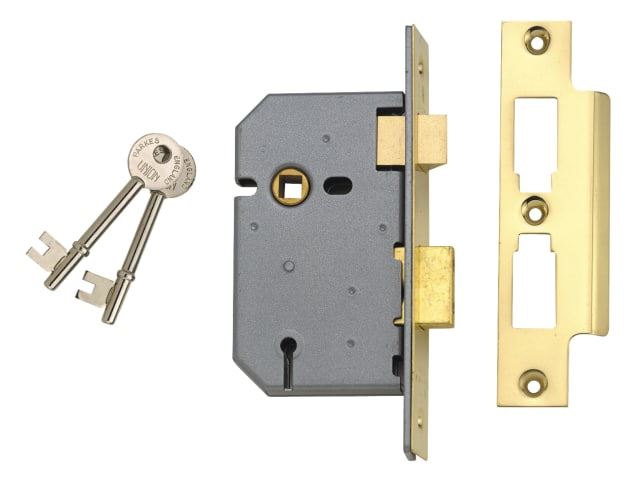
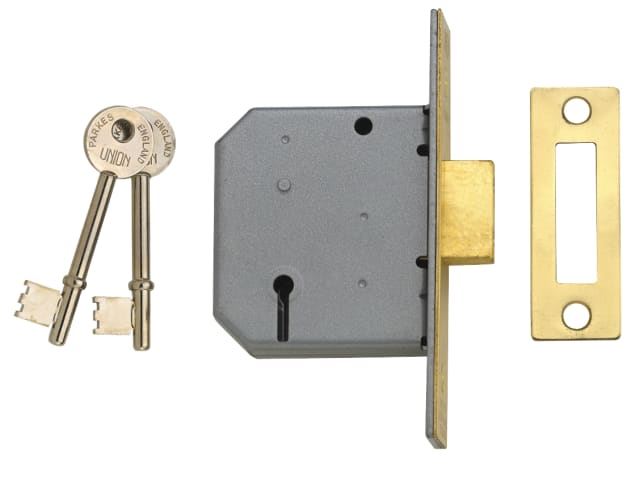
A mortice deadlock is a high-security lock that is installed within the door itself rather than attached to the surface. The lock is housed within a pocket or mortice, making it more difficult for intruders to tamper with or remove. These locks are often used in combination with other forms of locking mechanisms for enhanced protection.
Why Are Deadlocks Important for Security?
Deadlocks are widely regarded as one of the most secure locking mechanisms available for doors. Their design ensures that the door cannot be opened without the correct key or unlocking method, making them highly effective against unauthorised entry. Some of the key reasons why deadlocks are considered an essential part of home and business security in the UK include:
- Enhanced Protection
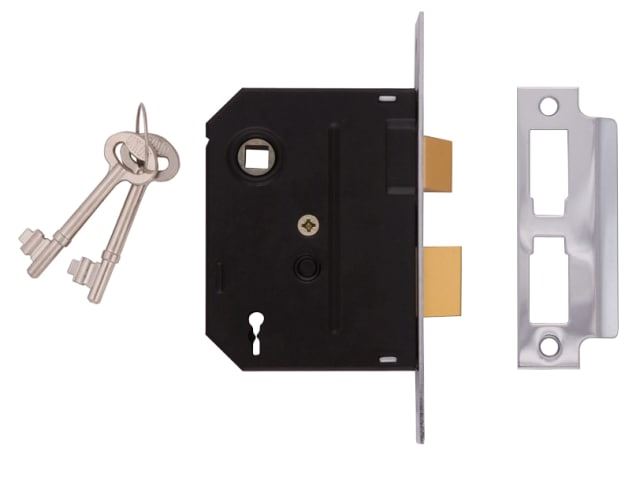
Deadlocks provide superior protection against burglars, as the deadbolt mechanism is more difficult to bypass than spring bolt locks. A burglar cannot simply manipulate or slide the latch to open the door – they must have the correct key or use forceful means, such as drilling, which can take time and increase the likelihood of being caught.
 Compliance with Insurance Requirements
Many home and business insurance policies require that certain types of locks, such as deadlocks, be fitted to external doors to qualify for full coverage. Having deadlocks installed on doors ensures that a property meets security requirements and can help avoid complications during an insurance claim. Peace of Mind
Deadlocks offer peace of mind to property owners, knowing that their doors are securely locked and difficult to tamper with. Whether at home or away, the knowledge that deadlocks are in place provides an added sense of safety and security. Deterrence to Burglars
The mere presence of a deadlock on a door can act as a deterrent to burglars. Thieves are less likely to attempt a break-in if they know that the door is equipped with a deadlock, as it increases the time and effort needed to gain access.
Conclusion
In conclusion, a deadlock is a highly effective locking mechanism used to secure doors and prevent unauthorized access. It offers superior security compared to standard locks, providing enhanced protection for homes and businesses alike. Deadlocks come in various types, each designed to meet specific security needs. Their one-way locking mechanism makes them difficult to bypass, offering peace of mind and acting as a deterrent to burglars. Whether used in residential settings or commercial establishments, deadlocks are an essential part of any comprehensive security system.
- Menu
- Fancy Dress
- Electronics & Gaming
- Clothing
- Pet Products
- Garden
- Tools & DIY
- Home & Leisure
- Gifting & Parties
- Toys
- Information
- About Us
- Become a seller
- Affiliate Programme
- Frequently Asked Questions
- Returns and Refunds
- Terms And Conditions
- Privacy Policy
- View our blog
- Featured
- View more
- Customer Care
- [email protected]
- +44 (0) 1702 617821
- ILFD Group Ltd T/A Cazaar®
- Company Number: 07034824