

- Events
- Australia Day
- Bastille Day
- Burns Night
- Christmas
- Darts
- Day of the Dead
- Eurovision
- Festivals / Summer
- Halloween
- Halloween Accessories
- Nativity
- Oktoberfest
- Olympics
- Pride
- Red Nose Day
- School Play Costumes
- St Andrew's Day
- St Davids Day
- St Georges / England Supporters
- St Patricks Day
- Six Nations Rugby
- Stag Do
- Summer
- Thanksgiving
- VE Day
- World Book Day
- Adult World Book Day Costumes
- 4th July

- Themes
- Animals
- Around The World
- Book Characters
- British
- Chocolate Factory
- Cops & Robbers
- Cosplay
- DC
- Doctors and Nurses
- Fairytale
- Funny / Novelty
- Gangster
- Harry Potter
- Hawaiian / Summer
- Heroes and Villains
- Historical
- Army, Air Force & Naval
- Mexican Fiesta
- Pick Me Up
- Pink Cowgirl Hat Aesthetic
- Pirates
- Popstars and Celebrities
- Pre Historic
- Religious
- Sexy Costumes
- Sports
- Star Wars
- Steampunk
- Suits
- Tiger King
- TV, Film and Game
- Wild West
- Wizard of Oz
- Wizards & Witches
- 2000s
- 1990s
- 1980s
- 1960s 1970s
- 1950s
- 1940s
- 1920s


- Cosmetics
- Body Crayons
- Eye Liner
- Fabric Paint
- Face & Body Paint
- Face Jewels
- Fake Blood
- FX Fluids
- Glitter Fixatives
- Glitter Gel
- Glitter Shaker
- Hair Colour Spray
- Hair Gel
- Hair Streaks
- Lipgloss
- Lipstick
- Lip Tattoos
- Loose Glitter
- Mascara
- Nail Polish
- Pigment Shakers
- Pro Face Paint Cake Pots
- Scars, Wounds, Prosthetics & FX

- Accessories
- Bandanas & Scarves
- Belts
- Braces
- Capes
- Elf Accessories
- Eye Lashes
- Facial Hair
- Feather Boas
- Glasses
- Gloves
- Guns, Weapons & Swords
- Hats & Headwear
- Hosiery
- Inflatables
- Jewellery
- Masks
- Masquerade Masks
- Nipple Pasties
- Pacifiers
- Props
- Sets & Kits
- Shoe Covers
- Shoes / Boots
- Sleeves
- Teeth
- Ties & Bowties
- Tutus & Underskirts
- Wigs
- Wings & Wands
- Other


- Gifts by Category
- Alternative
- Balloon Dog Sculptures
- Batteries
- Colouring Books
- Decorative Accessories
- Food & Drink
- Fragrance
- Gadgets & Tech
- Gift Sets
- Gifts for the Home
- Homeware
- Jewellery
- Keepsakes
- Knitting Wool
- Life
- Luggage & Suitcases
- Miscellaneous
- Ornaments
- Personalised Gifts
- Puzzle Books
- Puzzles
- Slippers
- Smoking
- Stationery
- Umbrellas
- Vehicle
- Wallets & Purses
- Warmies



-
- Australia Day
- Bastille Day
- Burns Night
- Christmas
- Darts
- Day of the Dead
- Eurovision
- Festivals / Summer
- Halloween
- Halloween Accessories
- Nativity
- Oktoberfest
- Olympics
- Pride
- Red Nose Day
- School Play Costumes
- St Andrew's Day
- St Davids Day
- St Georges / England Supporters
- St Patricks Day
- Six Nations Rugby
- Stag Do
- Summer
- Thanksgiving
- VE Day
- World Book Day
- Adult World Book Day Costumes
- 4th July
-
- Animals
- Around The World
- Book Characters
- British
- Chocolate Factory
- Cops & Robbers
- Cosplay
- DC
- Doctors and Nurses
- Fairytale
- Funny / Novelty
- Gangster
- Harry Potter
- Hawaiian / Summer
- Heroes and Villains
- Historical
- Army, Air Force & Naval
- Mexican Fiesta
- Pick Me Up
- Pink Cowgirl Hat Aesthetic
- Pirates
- Popstars and Celebrities
- Pre Historic
- Religious
- Sexy Costumes
- Sports
- Star Wars
- Steampunk
- Suits
- Tiger King
- TV, Film and Game
- Wild West
- Wizard of Oz
- Wizards & Witches
- 2000s
- 1990s
- 1980s
- 1960s 1970s
- 1950s
- 1940s
- 1920s
-
- Body Crayons
- Eye Liner
- Fabric Paint
- Face & Body Paint
- Face Jewels
- Fake Blood
- FX Fluids
- Glitter Fixatives
- Glitter Gel
- Glitter Shaker
- Hair Colour Spray
- Hair Gel
- Hair Streaks
- Lipgloss
- Lipstick
- Lip Tattoos
- Loose Glitter
- Mascara
- Nail Polish
- Pigment Shakers
- Pro Face Paint Cake Pots
- Scars, Wounds, Prosthetics & FX
-
- Bandanas & Scarves
- Belts
- Braces
- Capes
- Elf Accessories
- Eye Lashes
- Facial Hair
- Feather Boas
- Glasses
- Gloves
- Guns, Weapons & Swords
- Hats & Headwear
- Hosiery
- Inflatables
- Jewellery
- Masks
- Masquerade Masks
- Nipple Pasties
- Pacifiers
- Props
- Sets & Kits
- Shoe Covers
- Shoes / Boots
- Sleeves
- Teeth
- Ties & Bowties
- Tutus & Underskirts
- Wigs
- Wings & Wands
- Other




-
- Alternative
- Balloon Dog Sculptures
- Batteries
- Colouring Books
- Decorative Accessories
- Food & Drink
- Fragrance
- Gadgets & Tech
- Gift Sets
- Gifts for the Home
- Homeware
- Jewellery
- Keepsakes
- Knitting Wool
- Life
- Luggage & Suitcases
- Miscellaneous
- Ornaments
- Personalised Gifts
- Puzzle Books
- Puzzles
- Slippers
- Smoking
- Stationery
- Umbrellas
- Vehicle
- Wallets & Purses
- Warmies

How to Choose a Chair for a Home Office
by Darren Butler
Last updated: Feb 17, 2026
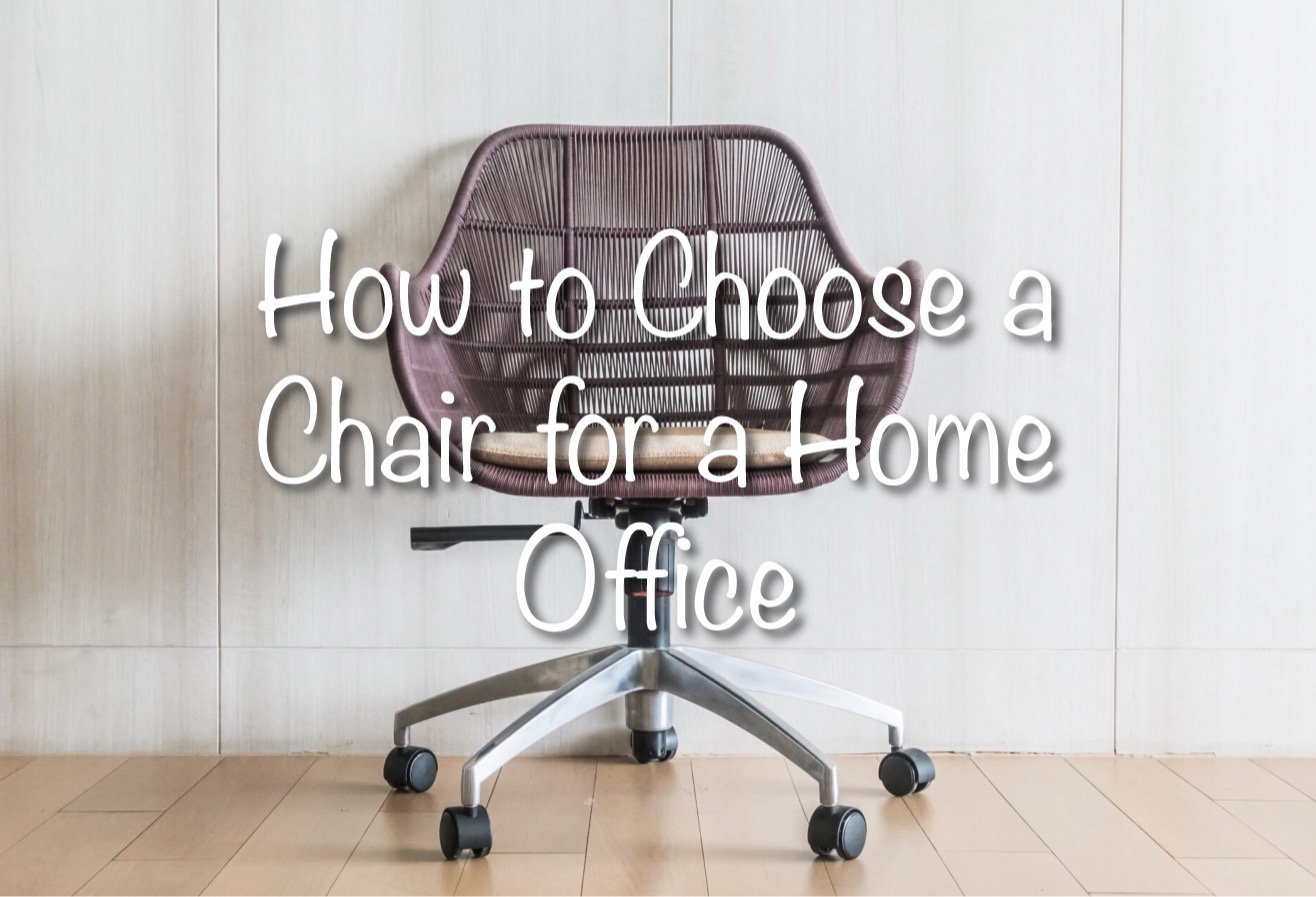
Setting up a home office can be exciting, but it also comes with challenges, especially when it comes to choosing the right chair. A chair isn’t just a place to sit—it affects your posture, comfort, and productivity throughout the day. With so many designs, materials, and features available, finding the perfect chair can feel overwhelming. This guide will walk you through the key factors to consider when selecting a home office chair, helping you make an informed decision that benefits both your health and work efficiency. By choosing wisely, you can create a comfortable and productive workspace.
Understanding the Importance of a Good Office Chair
A home office chair is one of the most important investments for your workspace. Unlike a dining or living room chair, a home office chair is designed for prolonged sitting, often for hours at a time. Poor seating can lead to back pain, neck strain, and reduced concentration, impacting your overall wellbeing and work performance. A well-chosen chair supports your spine, encourages proper posture, and can even improve circulation. Before buying, consider how much time you will spend seated daily and what specific needs your body has. Comfort should always be a priority over style alone.
Consider Your Budget
Home office chairs come in a wide range of prices, from budget-friendly options to premium ergonomic designs. Setting a budget beforehand helps narrow down choices and prevents overspending. Keep in mind that investing in a quality chair is an investment in your health. Cheaper chairs may lack essential support, leading to discomfort and potential health issues. On the other hand, high-end chairs often come with adjustable features and durable materials, ensuring long-term comfort and reliability. Decide how much you are willing to spend and aim for the best chair your budget allows, balancing comfort, functionality, and style.
Ergonomics Matter Most
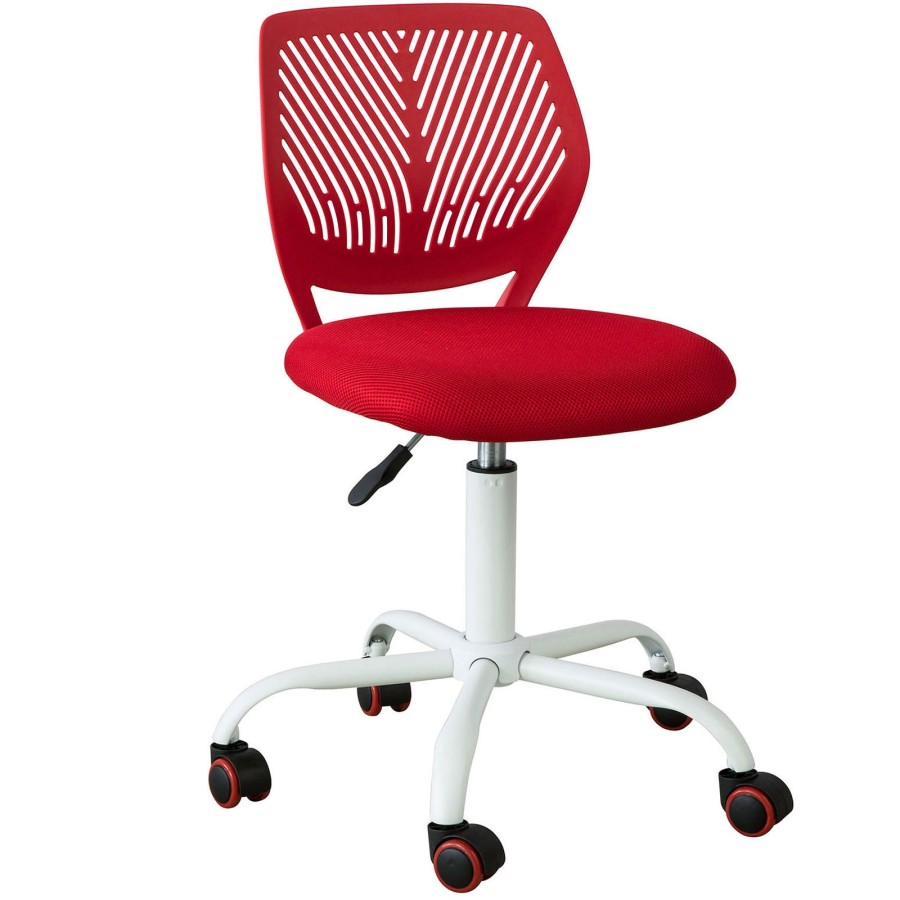
Ergonomics is the cornerstone of a good office chair. An ergonomic chair is designed to reduce strain on your body and support natural posture. Look for chairs that offer adjustable seat height, lumbar support, armrests, and tilt mechanisms. The seat height should allow your feet to rest flat on the floor, while the lumbar support maintains the natural curve of your lower back. Adjustable armrests prevent shoulder and neck tension, and a reclining feature can relieve pressure on your spine during breaks. Ergonomic chairs are especially beneficial if you spend long hours working at a desk.
Types of Office Chairs
There are several types of chairs to consider, each with its own advantages:
- Task Chairs – Compact and straightforward, ideal for short-term use. They usually have basic height and tilt adjustments.
- Executive Chairs – Large, cushioned, and often made from leather or faux leather. These provide comfort and a professional look but can be bulky.
- Ergonomic Chairs – Specifically designed to support long hours of sitting, with multiple adjustable features to fit your body.
- Mesh Chairs – Lightweight with breathable backrests, perfect for warmer climates or if you prefer airflow.
Consider your space and work habits when selecting the type. For long hours, an ergonomic or mesh chair is generally recommended.
Seat Height and Depth
Seat height and depth are critical for comfort. The chair should allow your feet to sit flat on the floor with knees at roughly a 90-degree angle. Adjustable height is essential, especially if multiple people will use the chair. Seat depth is equally important: too deep and your lower back won’t be supported; too shallow and your thighs may not be fully cushioned. Ideally, you should have a few inches between the edge of the seat and the back of your knees. Proper seat dimensions prevent circulation problems and contribute to overall comfort.
Back Support and Lumbar Assistance
Back support is often the most overlooked feature in home office chairs. A chair with insufficient support can cause slouching and long-term back pain. Look for chairs with built-in lumbar support that follows the natural curve of your spine. Some models offer adjustable lumbar support so you can move it higher or lower depending on your body shape. Additionally, a high backrest can support your upper back and shoulders, reducing tension and fatigue during long work sessions. Prioritising back support is key for maintaining posture and preventing discomfort.
Armrests and Adjustability
Armrests help reduce tension in the shoulders and arms but must be positioned correctly. Adjustable armrests that move up, down, forward, or backward allow you to maintain a neutral posture. Ensure that your elbows can rest comfortably at roughly a 90-degree angle without raising or slumping your shoulders. Some chairs also feature removable armrests, which can be helpful if you prefer a more compact desk setup. The more adjustable features a chair has, the easier it is to customise for your body, enhancing comfort and reducing the risk of strain.
Material and Padding
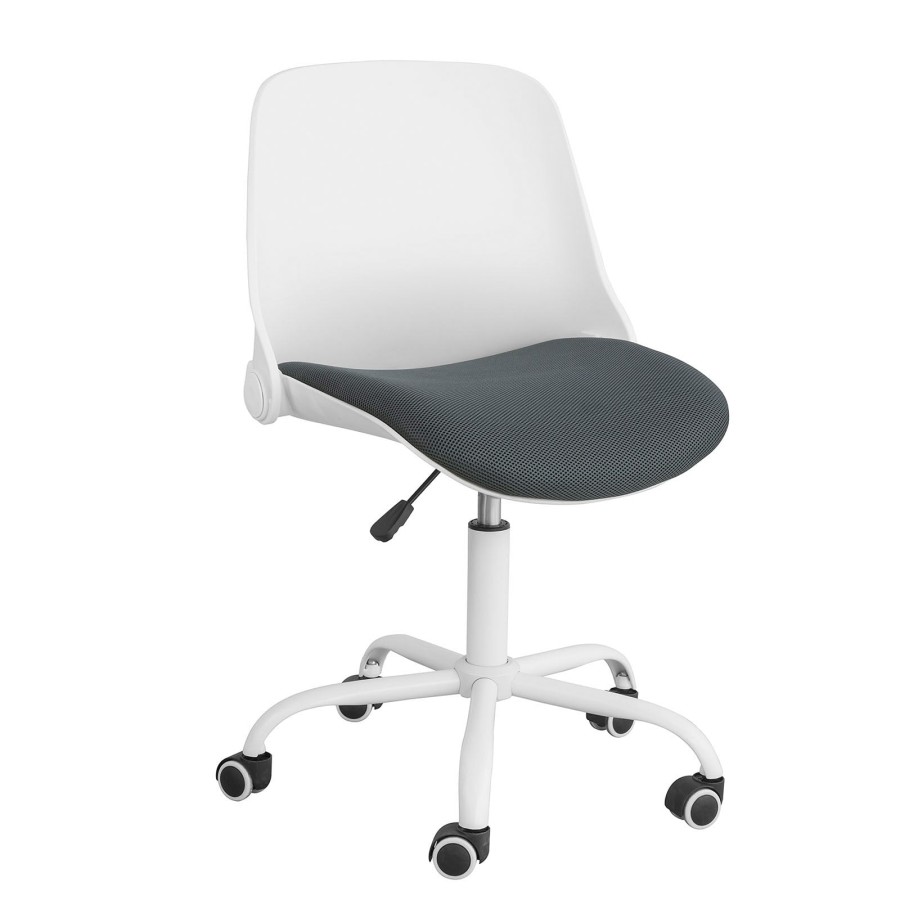
The chair’s material affects both comfort and durability. Fabric chairs are soft, breathable, and often cheaper, while leather or faux leather offers a sleek, professional look and is easy to clean. Mesh chairs provide excellent ventilation, which is ideal for long hours or warmer rooms. Consider padding as well: thick cushions provide comfort but can become hot over time, while firmer padding supports posture better for long-term use. Your choice of material should balance comfort, maintenance, and the aesthetic of your home office.
Mobility and Stability
Most office chairs come with wheels and a swivel function, which allows easy movement around the workspace. Ensure the wheels are suitable for your floor type—hard floor wheels for wooden surfaces and carpet-friendly wheels for rugs. A stable base, usually with five legs, helps prevent tipping and provides balance. Swivel chairs allow you to reach items on your desk without twisting your back, which helps maintain ergonomic posture. Mobility is a small but significant feature that improves convenience and efficiency.
Test Before You Buy
Whenever possible, try the chair before making a purchase. Sit in it for at least 10–15 minutes to see how it feels. Check for comfort, support, and adjustability. Online reviews and recommendations can also provide insight into the chair’s quality and durability. If buying online, ensure the retailer has a good return policy in case the chair isn’t suitable. Testing ensures you choose a chair that fits your body and work habits perfectly, reducing the risk of discomfort and wasted money.
Conclusion
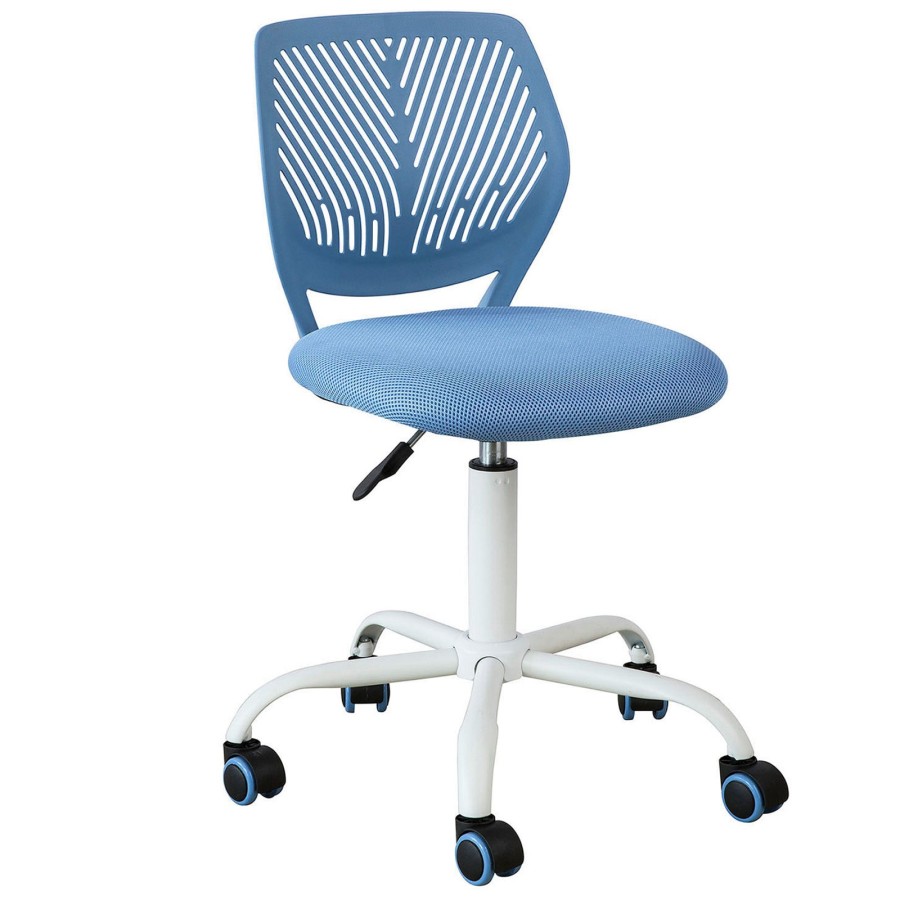
Choosing the right home office chair is more than a matter of style; it’s a decision that impacts your health, comfort, and productivity. By considering ergonomics, adjustability, material, and your workspace needs, you can select a chair that supports long hours of work while reducing strain. Remember to factor in budget, test chairs when possible, and prioritise back and lumbar support. With careful thought and research, your home office can become a comfortable, productive, and inviting space. The right chair makes all the difference, allowing you to work efficiently while maintaining your wellbeing.
- Menu
- Fancy Dress
- Electronics & Gaming
- Clothing
- Pet Products
- Garden
- Tools & DIY
- Home & Leisure
- Gifting & Parties
- Toys
- Information
- About Us
- Become a seller
- Affiliate Programme
- Frequently Asked Questions
- Returns and Refunds
- Terms And Conditions
- Privacy Policy
- View our blog
- Featured
- View more
- Customer Care
- [email protected]
- +44 (0) 1702 617821
- ILFD Group Ltd T/A Cazaar®
- Company Number: 07034824