


- Events
- Australia Day
- Bastille Day
- Burns Night
- Christmas
- Darts
- Day of the Dead
- Eurovision
- Festivals / Summer
- Halloween
- Halloween Accessories
- Nativity
- Oktoberfest
- Olympics
- Pride
- Red Nose Day
- School Play Costumes
- St Andrew's Day
- St Davids Day
- St Georges / England Supporters
- St Patricks Day
- Six Nations Rugby
- Stag Do
- Summer
- Thanksgiving
- VE Day
- World Book Day
- Adult World Book Day Costumes
- 4th July

- Themes
- Animals
- Around The World
- Book Characters
- British
- Chocolate Factory
- Cops & Robbers
- Cosplay
- DC
- Doctors and Nurses
- Fairytale
- Funny / Novelty
- Gangster
- Harry Potter
- Hawaiian / Summer
- Heroes and Villains
- Historical
- Army, Air Force & Naval
- Mexican Fiesta
- Pick Me Up
- Pink Cowgirl Hat Aesthetic
- Pirates
- Popstars and Celebrities
- Pre Historic
- Religious
- Sexy Costumes
- Sports
- Star Wars
- Steampunk
- Suits
- Tiger King
- TV, Film and Game
- Wild West
- Wizard of Oz
- Wizards & Witches
- 2000s
- 1990s
- 1980s
- 1960s 1970s
- 1950s
- 1940s
- 1920s


- Cosmetics
- Body Crayons
- Eye Liner
- Fabric Paint
- Face & Body Paint
- Face Jewels
- Fake Blood
- FX Fluids
- Glitter Fixatives
- Glitter Gel
- Glitter Shaker
- Hair Colour Spray
- Hair Gel
- Hair Streaks
- Lipgloss
- Lipstick
- Lip Tattoos
- Loose Glitter
- Mascara
- Nail Polish
- Pigment Shakers
- Pro Face Paint Cake Pots
- Scars, Wounds, Prosthetics & FX

- Accessories
- Bandanas & Scarves
- Belts
- Braces
- Capes
- Elf Accessories
- Eye Lashes
- Facial Hair
- Feather Boas
- Glasses
- Gloves
- Guns, Weapons & Swords
- Hats & Headwear
- Hosiery
- Inflatables
- Jewellery
- Masks
- Masquerade Masks
- Nipple Pasties
- Pacifiers
- Props
- Sets & Kits
- Shoe Covers
- Shoes / Boots
- Sleeves
- Teeth
- Ties & Bowties
- Tutus & Underskirts
- Wigs
- Wings & Wands
- Other



- Gifts by Category
- Alternative
- Balloon Dog Sculptures
- Batteries
- Colouring Books
- Decorative Accessories
- Food & Drink
- Fragrance
- Gadgets & Tech
- Gift Sets
- Gifts for the Home
- Homeware
- Jewellery
- Keepsakes
- Knitting Wool
- Life
- Luggage & Suitcases
- Miscellaneous
- Ornaments
- Personalised Gifts
- Puzzle Books
- Puzzles
- Slippers
- Smoking
- Stationery
- Umbrellas
- Vehicle
- Wallets & Purses
- Warmies



-
- Australia Day
- Bastille Day
- Burns Night
- Christmas
- Darts
- Day of the Dead
- Eurovision
- Festivals / Summer
- Halloween
- Halloween Accessories
- Nativity
- Oktoberfest
- Olympics
- Pride
- Red Nose Day
- School Play Costumes
- St Andrew's Day
- St Davids Day
- St Georges / England Supporters
- St Patricks Day
- Six Nations Rugby
- Stag Do
- Summer
- Thanksgiving
- VE Day
- World Book Day
- Adult World Book Day Costumes
- 4th July
-
- Animals
- Around The World
- Book Characters
- British
- Chocolate Factory
- Cops & Robbers
- Cosplay
- DC
- Doctors and Nurses
- Fairytale
- Funny / Novelty
- Gangster
- Harry Potter
- Hawaiian / Summer
- Heroes and Villains
- Historical
- Army, Air Force & Naval
- Mexican Fiesta
- Pick Me Up
- Pink Cowgirl Hat Aesthetic
- Pirates
- Popstars and Celebrities
- Pre Historic
- Religious
- Sexy Costumes
- Sports
- Star Wars
- Steampunk
- Suits
- Tiger King
- TV, Film and Game
- Wild West
- Wizard of Oz
- Wizards & Witches
- 2000s
- 1990s
- 1980s
- 1960s 1970s
- 1950s
- 1940s
- 1920s
-
- Body Crayons
- Eye Liner
- Fabric Paint
- Face & Body Paint
- Face Jewels
- Fake Blood
- FX Fluids
- Glitter Fixatives
- Glitter Gel
- Glitter Shaker
- Hair Colour Spray
- Hair Gel
- Hair Streaks
- Lipgloss
- Lipstick
- Lip Tattoos
- Loose Glitter
- Mascara
- Nail Polish
- Pigment Shakers
- Pro Face Paint Cake Pots
- Scars, Wounds, Prosthetics & FX
-
- Bandanas & Scarves
- Belts
- Braces
- Capes
- Elf Accessories
- Eye Lashes
- Facial Hair
- Feather Boas
- Glasses
- Gloves
- Guns, Weapons & Swords
- Hats & Headwear
- Hosiery
- Inflatables
- Jewellery
- Masks
- Masquerade Masks
- Nipple Pasties
- Pacifiers
- Props
- Sets & Kits
- Shoe Covers
- Shoes / Boots
- Sleeves
- Teeth
- Ties & Bowties
- Tutus & Underskirts
- Wigs
- Wings & Wands
- Other






-
- Alternative
- Balloon Dog Sculptures
- Batteries
- Colouring Books
- Decorative Accessories
- Food & Drink
- Fragrance
- Gadgets & Tech
- Gift Sets
- Gifts for the Home
- Homeware
- Jewellery
- Keepsakes
- Knitting Wool
- Life
- Luggage & Suitcases
- Miscellaneous
- Ornaments
- Personalised Gifts
- Puzzle Books
- Puzzles
- Slippers
- Smoking
- Stationery
- Umbrellas
- Vehicle
- Wallets & Purses
- Warmies

How to Stop a Kitchen Bin from Smelling
by Darren Butler
Last updated: Apr 02, 2026
A smelly kitchen bin is one of those everyday annoyances that can quickly make an otherwise clean home feel unpleasant. Whether it’s caused by food scraps, lingering moisture, or bacteria build-up, unpleasant odours can develop faster than you might expect—especially in warmer months. The good news is that keeping your kitchen bin fresh doesn’t require expensive products or complicated routines. With a few simple habits and clever tricks, you can eliminate smells at the source and prevent them from returning. In this guide, we’ll explore practical, effective ways to stop your kitchen bin from smelling for good.
Why Kitchen Bins Smell (Understanding the Problem)
Before tackling the issue, it helps to understand why kitchen bins develop odours in the first place. Most smells are caused by decomposing organic waste—things like food scraps, tea bags, coffee grounds, and leftovers. As these materials break down, they release gases that create unpleasant smells.
Moisture is another major contributor. When liquids from food waste collect at the bottom of the bin or soak into bin liners, they create the perfect environment for bacteria to thrive. These bacteria accelerate decomposition and intensify odours.
Temperature also plays a role. Warmer conditions speed up the breakdown process, meaning smells can become noticeable much more quickly in summer or in centrally heated homes.
Understanding these causes allows you to target the root of the problem rather than just masking the smell.
Empty Your Bin Regularly
One of the simplest and most effective ways to prevent smells is to empty your bin frequently. Even if it’s not full, leaving rubbish to sit for several days gives bacteria time to grow and odours to develop.
In most households, emptying the kitchen bin every one to two days is ideal, particularly if it contains food waste. During warmer weather, you may need to do this daily.
If you’re concerned about waste or bin liner usage, consider using smaller bags. This naturally encourages more frequent emptying and reduces the chance of odours building up.
Clean the Bin Thoroughly
Even with liners, residue can build up inside your bin over time. This hidden layer of grime is often a major source of persistent smells.
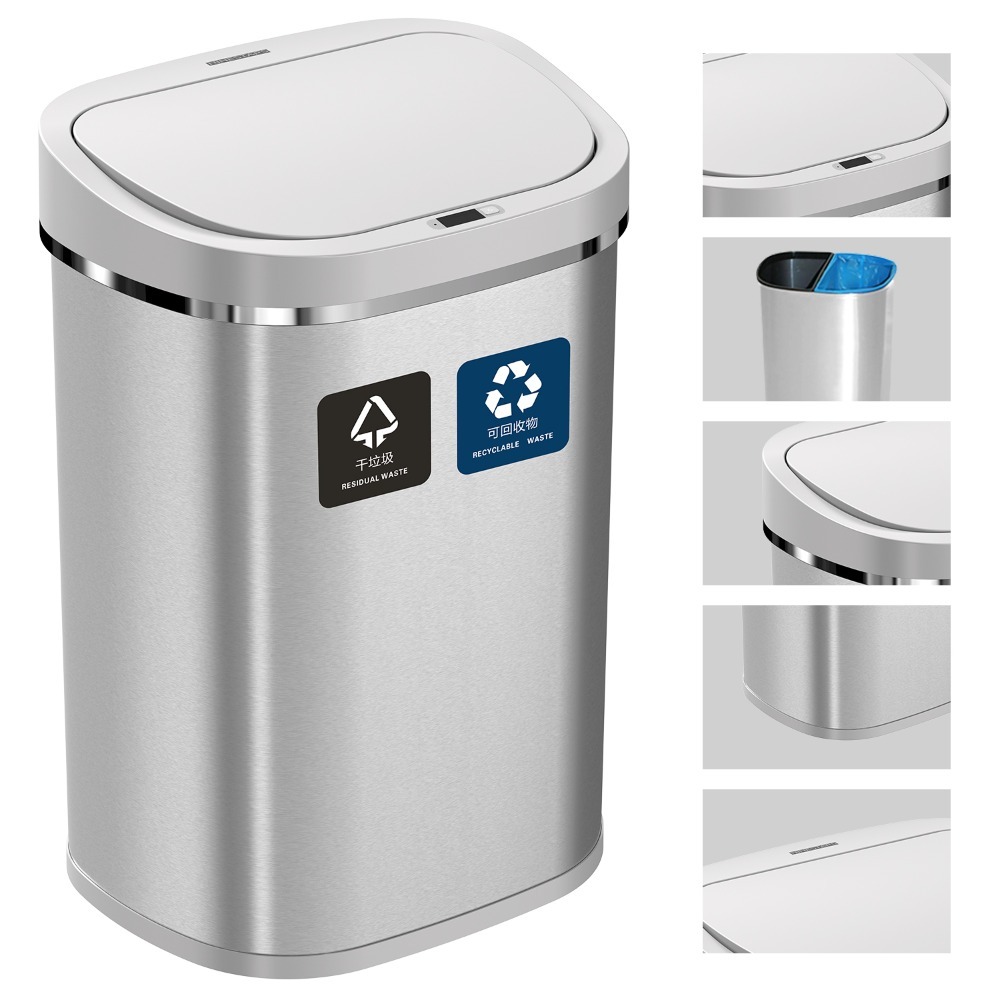
Aim to clean your kitchen bin at least once a week. Start by rinsing it out with warm water, then scrub it using washing-up liquid or a mild disinfectant. Pay particular attention to the bottom and any corners where liquid might collect.
For a deeper clean, you can use a mixture of bicarbonate of soda and water to neutralise odours. Alternatively, a diluted vinegar solution works well to break down bacteria and eliminate lingering smells.
Once cleaned, allow the bin to dry completely before inserting a new liner. Moisture left behind can quickly undo your efforts.
Use Bin Liners Properly
Bin liners are essential for keeping your bin clean, but they need to be used correctly to be effective. Always choose liners that fit your bin properly—bags that are too small can slip and spill, while oversized ones may not sit securely.
To reduce leaks, avoid overfilling bags and ensure sharp objects are wrapped safely. Double-bagging particularly wet or messy waste can also help prevent liquid from seeping through.
If you notice frequent leaks, consider switching to thicker or more durable liners. This small change can make a significant difference in keeping your bin fresh.
Control Moisture at the Source
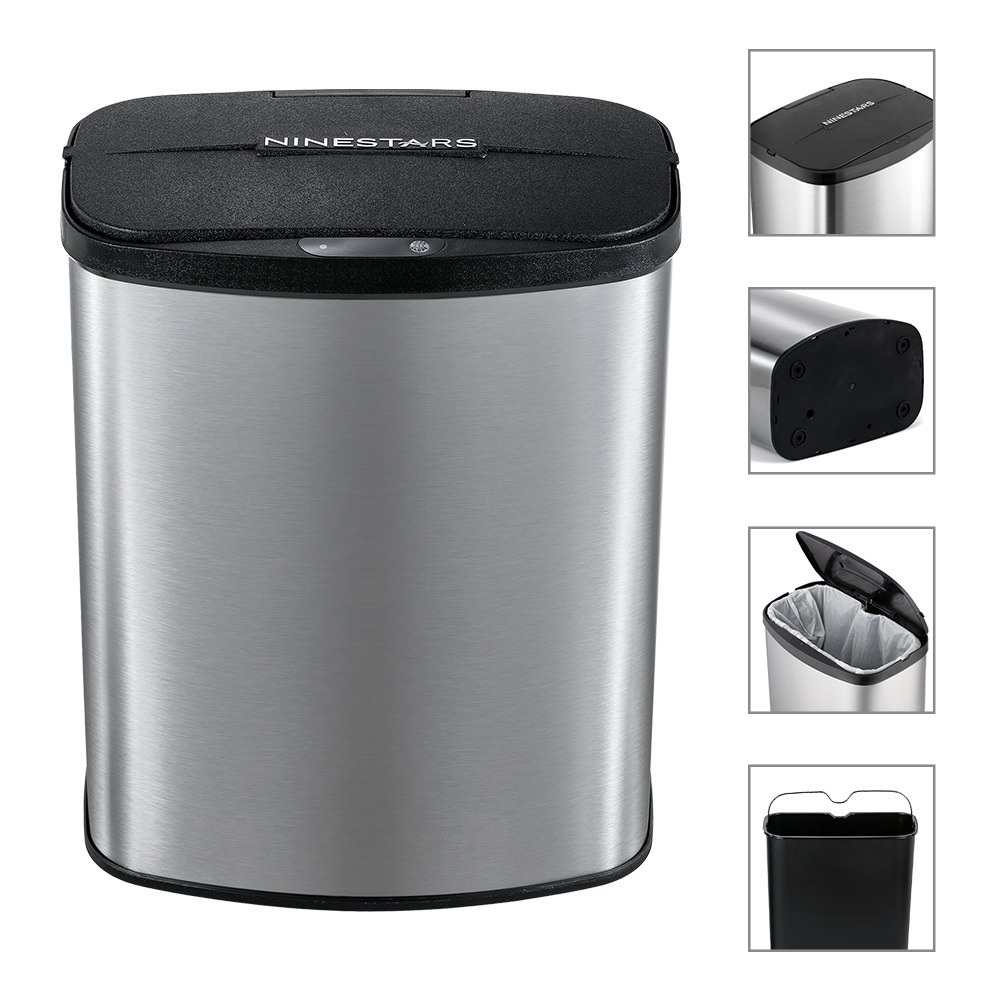
Since moisture is a key cause of odours, reducing it can dramatically improve the situation. Start by draining excess liquid from food waste before throwing it away. For example, pour leftover soup or sauce down the sink rather than into the bin.
Wrapping wet items in kitchen roll or newspaper can also help absorb moisture. This is especially useful for things like fruit peels, leftovers, or used tea bags.
Another useful trick is to place a layer of absorbent material at the bottom of your bin. Bicarbonate of soda, cat litter, or even a folded newspaper can soak up liquid and reduce smells.
Use Natural Deodorisers
You don’t need chemical sprays to keep your bin smelling fresh. Natural deodorisers are often just as effective and much safer to use in a kitchen environment.
Bicarbonate of soda is one of the best options. Simply sprinkle a small amount at the bottom of your bin or inside the liner to neutralise odours.
Citrus peels, such as lemon or orange, can add a fresh scent while helping to mask minor smells. You can also soak cotton wool in essential oils like lavender or tea tree and place it at the bottom of the bin.
These simple additions can make a noticeable difference without requiring much effort.
Keep the Bin Lid Clean and Closed
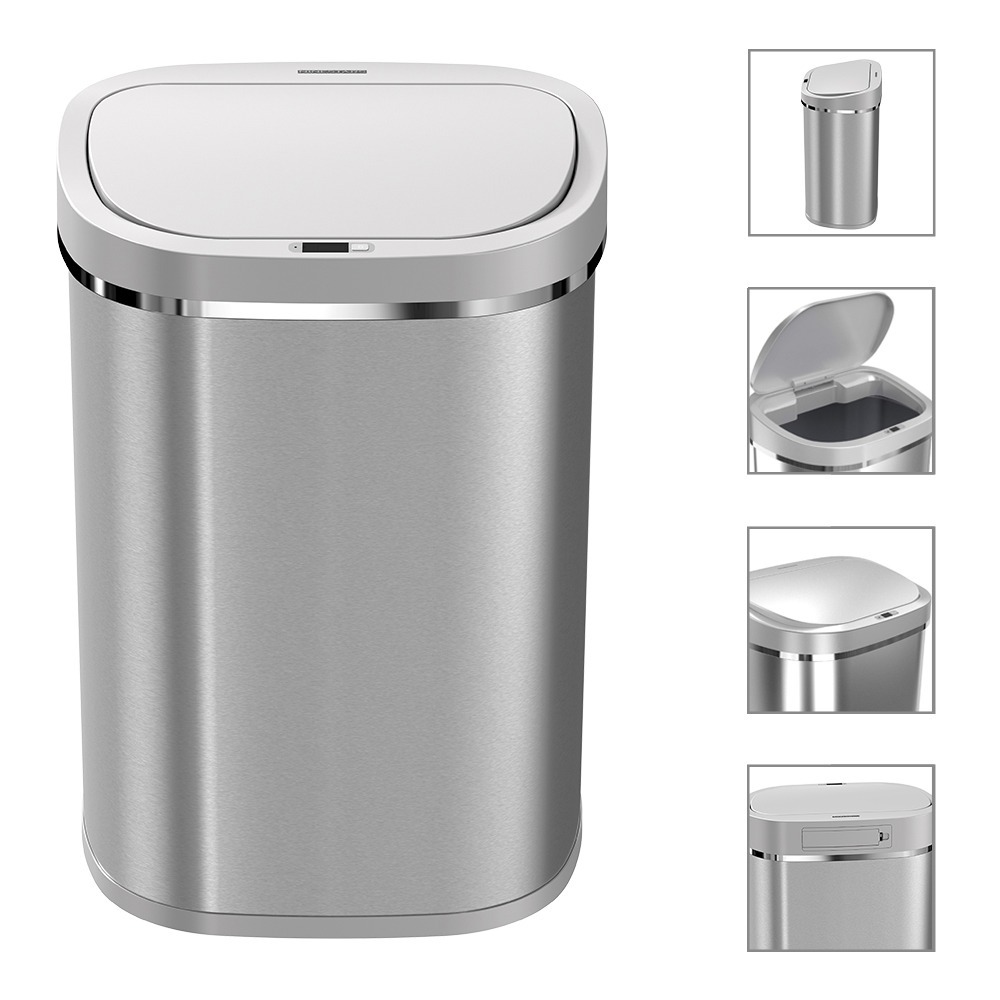
The lid of your kitchen bin is often overlooked, but it can harbour bacteria and odours just as much as the interior. Regularly wipe it down with disinfectant, especially if it’s touched frequently during cooking.
Keeping the lid closed is equally important. An open bin allows smells to escape and spread throughout your kitchen. If your bin doesn’t have a lid, consider upgrading to one that does.
For pedal bins, make sure the mechanism works properly so the lid closes fully after each use. This helps contain odours and keeps your kitchen smelling fresh.
Be Mindful of What You Throw Away
Certain types of waste are more likely to cause strong smells. Fish, meat scraps, dairy products, and cooked leftovers can quickly become pungent if left in the bin.
If possible, dispose of these items promptly in an outdoor bin rather than leaving them indoors. Alternatively, wrap them tightly before placing them in your kitchen bin to minimise exposure to air.
Composting suitable food waste is another excellent option. Not only does it reduce bin odours, but it’s also environmentally friendly and beneficial for your garden.
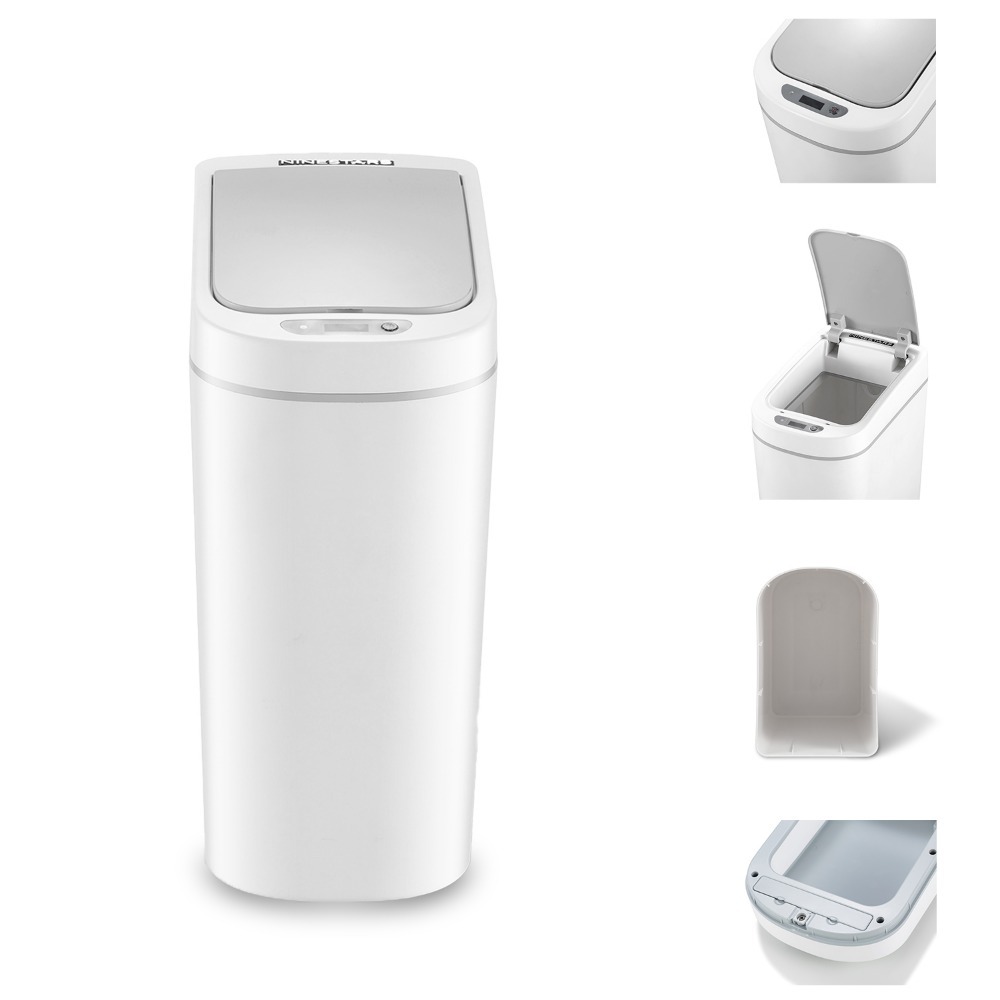
Consider a Bin with Odour Control Features
If smells are a recurring issue, it may be worth investing in a bin designed to tackle odours. Some modern kitchen bins come with built-in carbon filters that help neutralise smells before they escape.
Others feature tightly sealed lids or compartments for separating food waste. While these options may cost more upfront, they can significantly improve your kitchen environment in the long run.
Conclusion
Keeping your kitchen bin free from unpleasant smells doesn’t have to be a constant battle. By understanding the causes of odours and adopting a few simple habits—such as emptying your bin regularly, reducing moisture, and cleaning it thoroughly—you can maintain a fresh and hygienic kitchen with minimal effort. Natural deodorisers and mindful waste disposal further enhance your results without relying on harsh chemicals. With consistency and a bit of attention, even the busiest households can keep bin smells under control. Ultimately, a clean, odour-free bin contributes to a more comfortable and inviting home environment every day.
- Menu
- Fancy Dress
- Electronics & Gaming
- Clothing
- Pet Products
- Garden
- Tools & DIY
- Home & Leisure
- Gifting & Parties
- Toys
- Information
- About Us
- Become a seller
- Affiliate Programme
- Frequently Asked Questions
- Returns and Refunds
- Terms And Conditions
- Privacy Policy
- View our blog
- Featured
- View more
- Customer Care
- [email protected]
- +44 (0) 1702 617821
- ILFD Group Ltd T/A Cazaar®
- Company Number: 07034824