


- Events
- Australia Day
- Bastille Day
- Burns Night
- Christmas
- Darts
- Day of the Dead
- Eurovision
- Festivals / Summer
- Halloween
- Halloween Accessories
- Nativity
- Oktoberfest
- Olympics
- Pride
- Red Nose Day
- School Play Costumes
- St Andrew's Day
- St Davids Day
- St Georges / England Supporters
- St Patricks Day
- Six Nations Rugby
- Stag Do
- Summer
- Thanksgiving
- VE Day
- World Book Day
- Adult World Book Day Costumes
- 4th July

- Themes
- Animals
- Around The World
- Book Characters
- British
- Chocolate Factory
- Cops & Robbers
- Cosplay
- DC
- Doctors and Nurses
- Fairytale
- Funny / Novelty
- Gangster
- Harry Potter
- Hawaiian / Summer
- Heroes and Villains
- Historical
- Army, Air Force & Naval
- Mexican Fiesta
- Pick Me Up
- Pink Cowgirl Hat Aesthetic
- Pirates
- Popstars and Celebrities
- Pre Historic
- Religious
- Sexy Costumes
- Sports
- Star Wars
- Steampunk
- Suits
- Tiger King
- TV, Film and Game
- Wild West
- Wizard of Oz
- Wizards & Witches
- 2000s
- 1990s
- 1980s
- 1960s 1970s
- 1950s
- 1940s
- 1920s


- Cosmetics
- Body Crayons
- Eye Liner
- Fabric Paint
- Face & Body Paint
- Face Jewels
- Fake Blood
- FX Fluids
- Glitter Fixatives
- Glitter Gel
- Glitter Shaker
- Hair Colour Spray
- Hair Gel
- Hair Streaks
- Lipgloss
- Lipstick
- Lip Tattoos
- Loose Glitter
- Mascara
- Nail Polish
- Pigment Shakers
- Pro Face Paint Cake Pots
- Scars, Wounds, Prosthetics & FX

- Accessories
- Bandanas & Scarves
- Belts
- Braces
- Capes
- Elf Accessories
- Eye Lashes
- Facial Hair
- Feather Boas
- Glasses
- Gloves
- Guns, Weapons & Swords
- Hats & Headwear
- Hosiery
- Inflatables
- Jewellery
- Masks
- Masquerade Masks
- Nipple Pasties
- Pacifiers
- Props
- Sets & Kits
- Shoe Covers
- Shoes / Boots
- Sleeves
- Teeth
- Ties & Bowties
- Tutus & Underskirts
- Wigs
- Wings & Wands
- Other



- Gifts by Category
- Alternative
- Balloon Dog Sculptures
- Batteries
- Colouring Books
- Decorative Accessories
- Food & Drink
- Fragrance
- Gadgets & Tech
- Gift Sets
- Gifts for the Home
- Homeware
- Jewellery
- Keepsakes
- Knitting Wool
- Life
- Luggage & Suitcases
- Miscellaneous
- Ornaments
- Personalised Gifts
- Puzzle Books
- Puzzles
- Slippers
- Smoking
- Stationery
- Umbrellas
- Vehicle
- Wallets & Purses
- Warmies



-
- Australia Day
- Bastille Day
- Burns Night
- Christmas
- Darts
- Day of the Dead
- Eurovision
- Festivals / Summer
- Halloween
- Halloween Accessories
- Nativity
- Oktoberfest
- Olympics
- Pride
- Red Nose Day
- School Play Costumes
- St Andrew's Day
- St Davids Day
- St Georges / England Supporters
- St Patricks Day
- Six Nations Rugby
- Stag Do
- Summer
- Thanksgiving
- VE Day
- World Book Day
- Adult World Book Day Costumes
- 4th July
-
- Animals
- Around The World
- Book Characters
- British
- Chocolate Factory
- Cops & Robbers
- Cosplay
- DC
- Doctors and Nurses
- Fairytale
- Funny / Novelty
- Gangster
- Harry Potter
- Hawaiian / Summer
- Heroes and Villains
- Historical
- Army, Air Force & Naval
- Mexican Fiesta
- Pick Me Up
- Pink Cowgirl Hat Aesthetic
- Pirates
- Popstars and Celebrities
- Pre Historic
- Religious
- Sexy Costumes
- Sports
- Star Wars
- Steampunk
- Suits
- Tiger King
- TV, Film and Game
- Wild West
- Wizard of Oz
- Wizards & Witches
- 2000s
- 1990s
- 1980s
- 1960s 1970s
- 1950s
- 1940s
- 1920s
-
- Body Crayons
- Eye Liner
- Fabric Paint
- Face & Body Paint
- Face Jewels
- Fake Blood
- FX Fluids
- Glitter Fixatives
- Glitter Gel
- Glitter Shaker
- Hair Colour Spray
- Hair Gel
- Hair Streaks
- Lipgloss
- Lipstick
- Lip Tattoos
- Loose Glitter
- Mascara
- Nail Polish
- Pigment Shakers
- Pro Face Paint Cake Pots
- Scars, Wounds, Prosthetics & FX
-
- Bandanas & Scarves
- Belts
- Braces
- Capes
- Elf Accessories
- Eye Lashes
- Facial Hair
- Feather Boas
- Glasses
- Gloves
- Guns, Weapons & Swords
- Hats & Headwear
- Hosiery
- Inflatables
- Jewellery
- Masks
- Masquerade Masks
- Nipple Pasties
- Pacifiers
- Props
- Sets & Kits
- Shoe Covers
- Shoes / Boots
- Sleeves
- Teeth
- Ties & Bowties
- Tutus & Underskirts
- Wigs
- Wings & Wands
- Other





-
- Alternative
- Balloon Dog Sculptures
- Batteries
- Colouring Books
- Decorative Accessories
- Food & Drink
- Fragrance
- Gadgets & Tech
- Gift Sets
- Gifts for the Home
- Homeware
- Jewellery
- Keepsakes
- Knitting Wool
- Life
- Luggage & Suitcases
- Miscellaneous
- Ornaments
- Personalised Gifts
- Puzzle Books
- Puzzles
- Slippers
- Smoking
- Stationery
- Umbrellas
- Vehicle
- Wallets & Purses
- Warmies

How To Plant Artificial Plants In Pots
by Darren Butler
Last updated: Apr 17, 2026
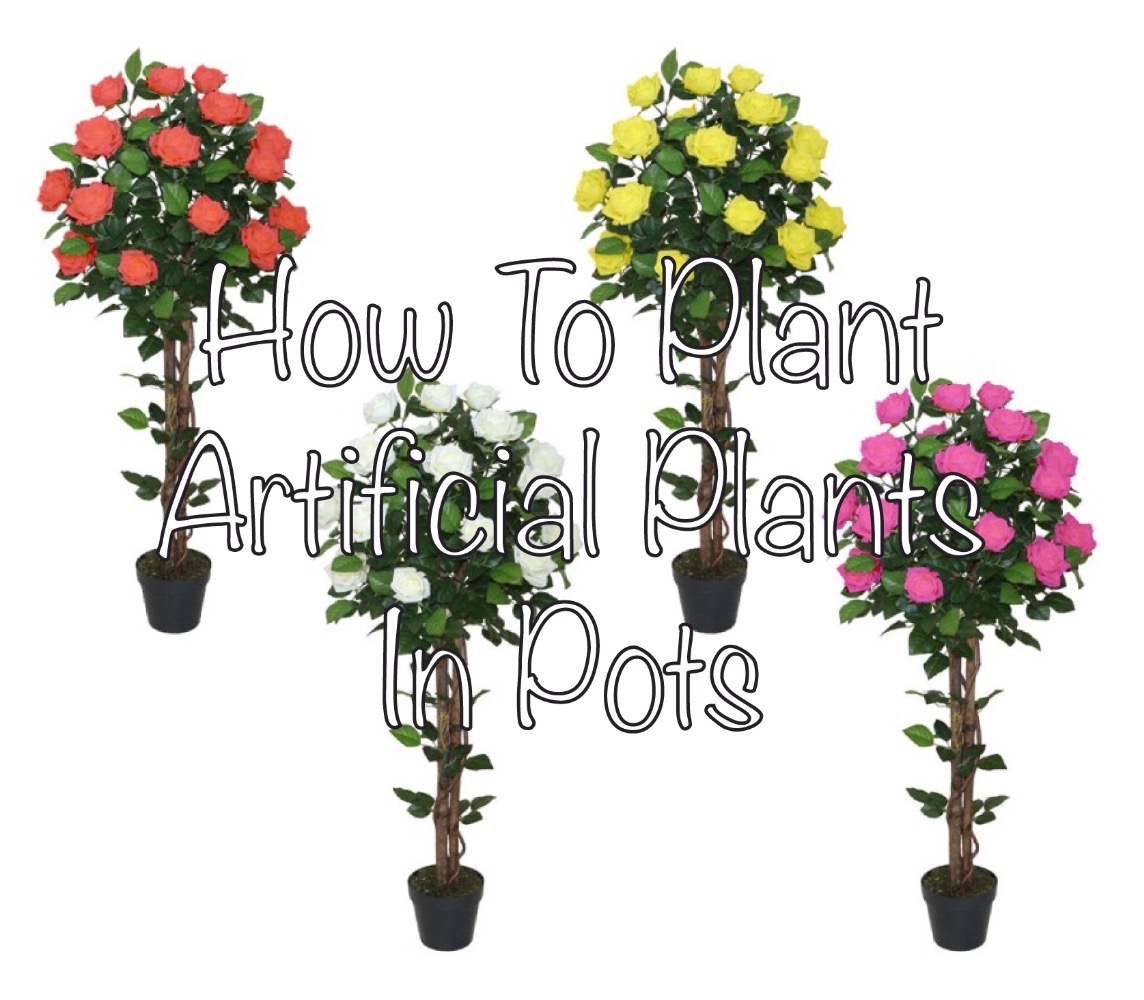
Artificial plants have become an increasingly popular choice for homes and workplaces across the UK, offering the beauty of greenery without the upkeep required by real plants. However, simply placing a faux plant into a pot often looks unconvincing unless it is styled properly. Learning how to plant artificial plants in pots can make a significant difference, helping them appear realistic and well-integrated into your space. With the right materials and a few practical techniques, you can create arrangements that closely mimic natural planting, adding charm, structure, and a touch of greenery to any room.
Choosing the Right Pot
The first step in planting artificial plants is selecting an appropriate pot. The pot should complement both the plant and the room’s décor. Consider size carefully: the pot should neither overwhelm the plant nor look too small to support it. A good rule is to ensure the plant’s height is roughly one-and-a-half to two times the height of the pot.
Material also matters. Ceramic and terracotta pots offer a traditional look, while metal or concrete containers suit modern interiors. If the pot does not have drainage holes, that is perfectly acceptable for artificial plants, as there is no risk of water build-up.
Preparing Your Materials
Before you begin, gather everything you need. Typically, this includes your artificial plant, a pot, filler material (such as floral foam, expanding foam, or stones), and decorative topping materials like moss, bark, or gravel.
Floral foam is one of the most popular choices because it is lightweight and easy to cut. Stones or sand can be used for heavier plants to provide stability. Expanding foam offers a more permanent solution but requires careful handling, as it expands significantly once applied.
Having all materials ready will make the process smoother and help you achieve a more polished result.
Securing the Plant in Place
Start by placing your filler material into the pot. If you are using floral foam, cut it to fit snugly inside the container. For larger pots, you may need to stack or layer multiple pieces. Ensure the foam sits securely and does not wobble.
Next, insert the stem of the artificial plant into the foam. Push it down firmly so that the plant stands upright. Adjust the angle and positioning until it looks natural. For heavier plants, you may need to reinforce the base with stones or add a small amount of adhesive to keep the stem in place.
If you are using expanding foam, place the plant in position first, then carefully apply the foam around the base. Hold the plant steady until the foam begins to set.
Creating a Realistic Surface
One of the most important steps is covering the base to hide the filler material. This is what transforms the arrangement from obviously artificial to convincingly realistic.
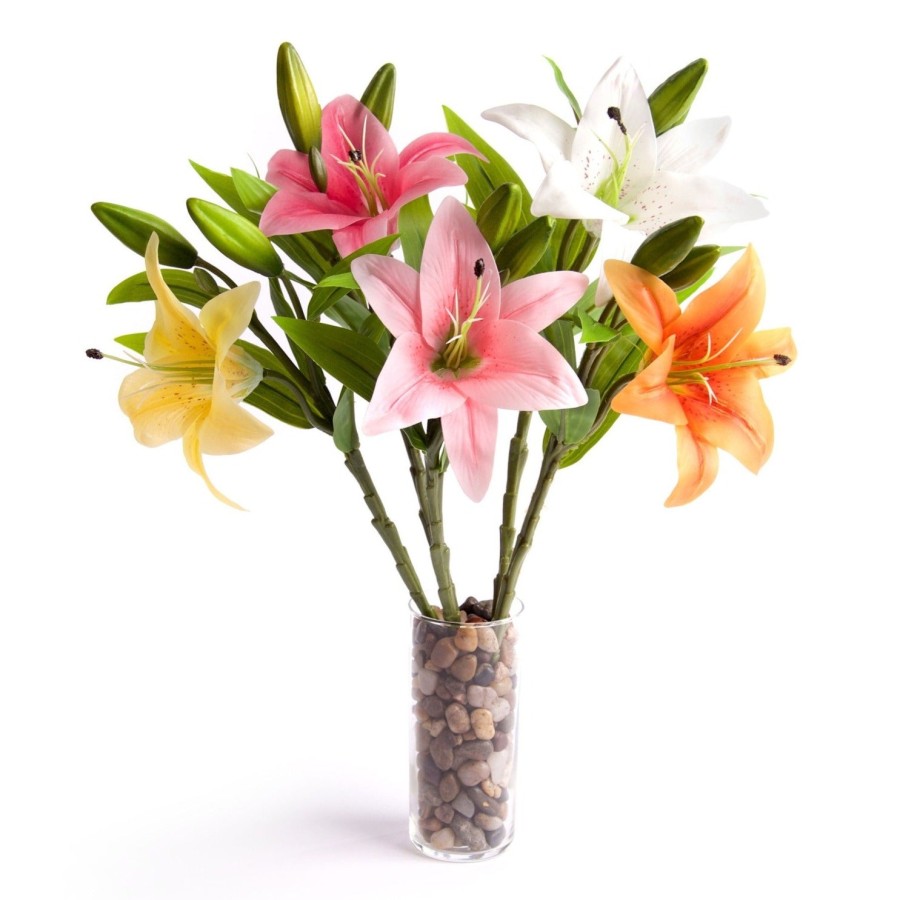
Start by adding a layer of decorative material on top of the foam or filler. Moss is particularly effective, as it mimics the look of natural soil and plant growth. Bark chips, gravel, or small stones can also be used depending on the style you are aiming for.
Spread the material evenly, ensuring there are no visible gaps. You can secure it with a small amount of glue if necessary, especially if the pot will be moved frequently.
Shaping and Styling the Plant
Artificial plants often arrive compressed or flattened from packaging, so shaping them is essential. Gently bend the stems and leaves to create a more natural, uneven appearance. Real plants are rarely symmetrical, so avoid making the arrangement look too perfect.
Separate individual leaves and adjust their angles to create depth and volume. For plants with multiple stems, spread them out slightly to fill the space more effectively.
Take your time with this step, as it has a significant impact on the final look. Small adjustments can make a big difference in how realistic the plant appears.
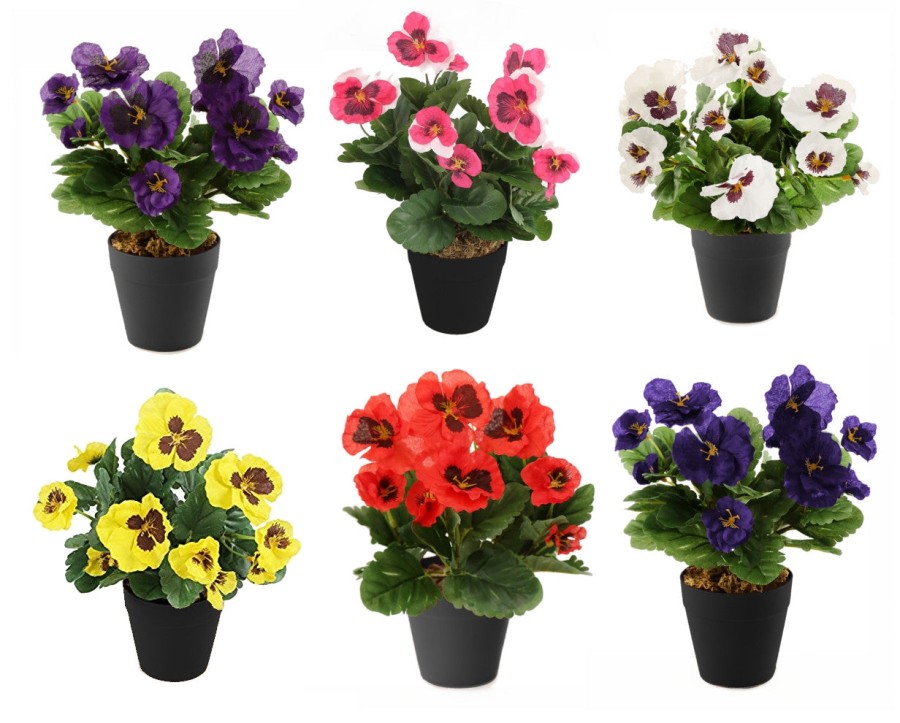
Adding Weight and Stability
If your pot is lightweight, especially plastic or thin metal, it may tip over easily. To prevent this, consider adding weight to the bottom of the pot before inserting the filler material. Stones, sand, or even small bricks can be used for this purpose.
This is particularly important for taller artificial plants, such as faux trees, which can become top-heavy. Ensuring the pot is stable will not only improve safety but also enhance the overall presentation.
Matching the Plant to Its Environment
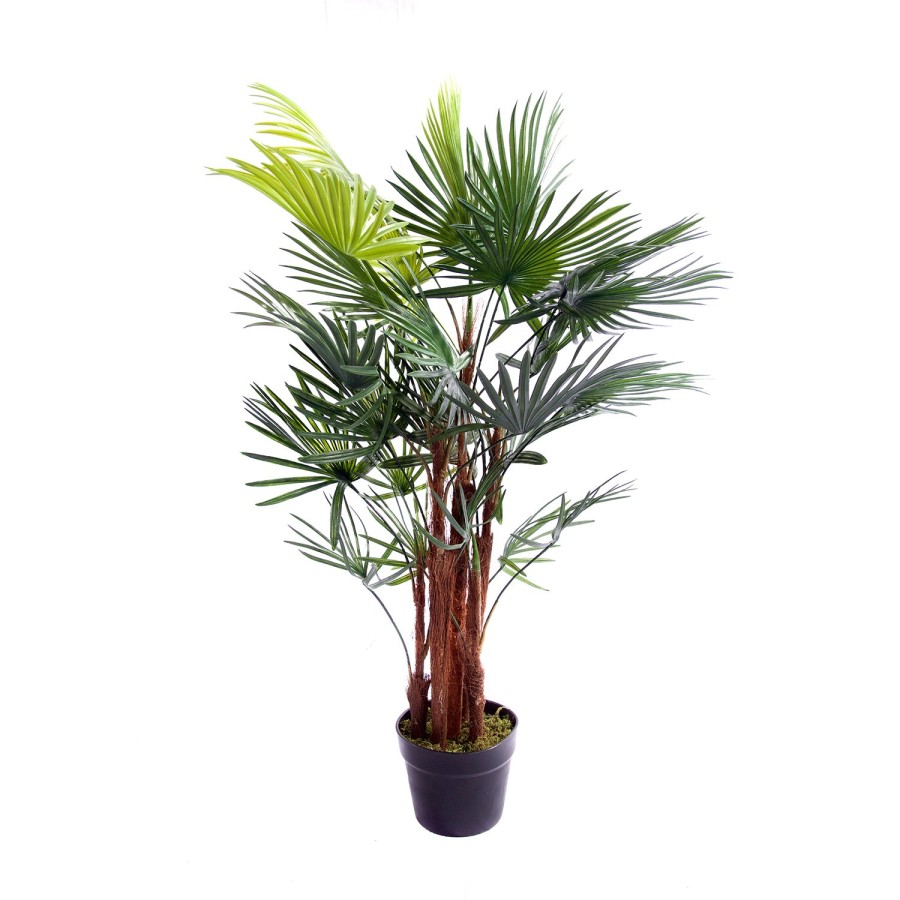
For the most convincing effect, consider where the plant will be placed. Choose artificial plants that suit the lighting and style of the space. For example, a faux fern works well in a shaded corner, while a palm or fiddle leaf fig complements brighter areas.
Even though the plant is artificial, placing it in a realistic setting helps reinforce the illusion. Pair it with other décor elements such as natural textures, wood, or textiles to create a cohesive look.
Maintaining Your Artificial Arrangement
Although artificial plants require far less maintenance than real ones, they still benefit from occasional care. Dust can accumulate on leaves, making them look dull over time.
Wipe the leaves gently with a damp cloth or use a soft brush to remove dust. For larger plants, a quick rinse with water (if the materials allow) can refresh their appearance. Always ensure the plant is completely dry before placing it back in position.
Regular maintenance will keep your artificial arrangement looking fresh and realistic for years to come.
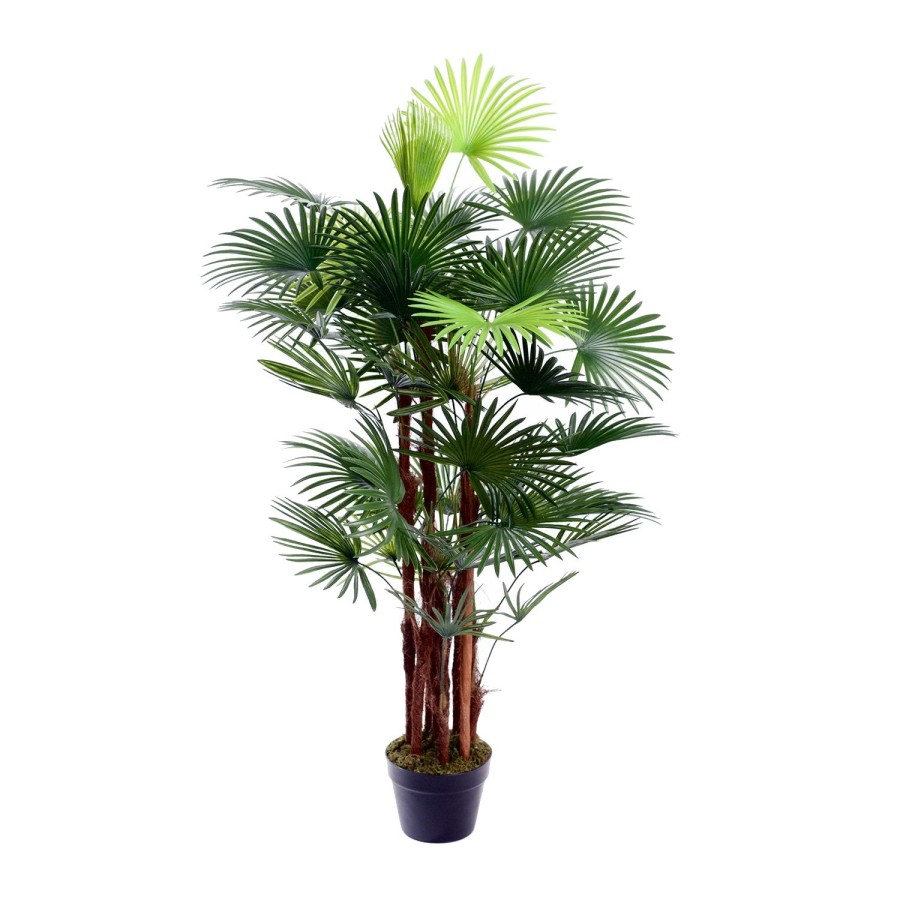
Common Mistakes to Avoid
One common mistake is using pots that are too small or too large, which can make the arrangement look unbalanced. Another is failing to cover the base properly, leaving visible foam or filler material.
Overcrowding is also an issue. Trying to fit too many stems into one pot can make the plant look unnatural. Instead, aim for a balanced, airy arrangement.
Finally, neglecting to shape the plant is a missed opportunity. Straight-from-the-box artificial plants rarely look convincing until they have been adjusted and styled.
Conclusion
Planting artificial plants in pots is a simple yet effective way to elevate your interior décor. By choosing the right pot, securing the plant properly, and adding realistic finishing touches, you can create arrangements that closely resemble living plants. Attention to detail, particularly in shaping and surface covering, makes all the difference. With minimal effort and no ongoing maintenance, artificial plants offer a practical and stylish solution for adding greenery to any space. Whether for a home or office, mastering this technique allows you to enjoy the beauty of plants without the usual demands of care.
- Menu
- Fancy Dress
- Electronics & Gaming
- Clothing
- Pet Products
- Garden
- Tools & DIY
- Home & Leisure
- Gifting & Parties
- Toys
- Information
- About Us
- Become a seller
- Affiliate Programme
- Frequently Asked Questions
- Returns and Refunds
- Terms And Conditions
- Privacy Policy
- View our blog
- Featured
- View more
- Customer Care
- [email protected]
- +44 (0) 1702 617821
- ILFD Group Ltd T/A Cazaar®
- Company Number: 07034824