


- Events
- Australia Day
- Bastille Day
- Burns Night
- Christmas
- Darts
- Day of the Dead
- Eurovision
- Festivals / Summer
- Halloween
- Halloween Accessories
- Nativity
- Oktoberfest
- Olympics
- Pride
- Red Nose Day
- School Play Costumes
- St Andrew's Day
- St Davids Day
- St Georges / England Supporters
- St Patricks Day
- Six Nations Rugby
- Stag Do
- Summer
- Thanksgiving
- VE Day
- World Book Day
- Adult World Book Day Costumes
- 4th July

- Themes
- Animals
- Around The World
- Book Characters
- British
- Chocolate Factory
- Cops & Robbers
- Cosplay
- DC
- Doctors and Nurses
- Fairytale
- Funny / Novelty
- Gangster
- Harry Potter
- Hawaiian / Summer
- Heroes and Villains
- Historical
- Army, Air Force & Naval
- Mexican Fiesta
- Pick Me Up
- Pink Cowgirl Hat Aesthetic
- Pirates
- Popstars and Celebrities
- Pre Historic
- Religious
- Sexy Costumes
- Sports
- Star Wars
- Steampunk
- Suits
- Tiger King
- TV, Film and Game
- Wild West
- Wizard of Oz
- Wizards & Witches
- 2000s
- 1990s
- 1980s
- 1960s 1970s
- 1950s
- 1940s
- 1920s


- Cosmetics
- Body Crayons
- Eye Liner
- Fabric Paint
- Face & Body Paint
- Face Jewels
- Fake Blood
- FX Fluids
- Glitter Fixatives
- Glitter Gel
- Glitter Shaker
- Hair Colour Spray
- Hair Gel
- Hair Streaks
- Lipgloss
- Lipstick
- Lip Tattoos
- Loose Glitter
- Mascara
- Nail Polish
- Pigment Shakers
- Pro Face Paint Cake Pots
- Scars, Wounds, Prosthetics & FX

- Accessories
- Bandanas & Scarves
- Belts
- Braces
- Capes
- Elf Accessories
- Eye Lashes
- Facial Hair
- Feather Boas
- Glasses
- Gloves
- Guns, Weapons & Swords
- Hats & Headwear
- Hosiery
- Inflatables
- Jewellery
- Masks
- Masquerade Masks
- Nipple Pasties
- Pacifiers
- Props
- Sets & Kits
- Shoe Covers
- Shoes / Boots
- Sleeves
- Teeth
- Ties & Bowties
- Tutus & Underskirts
- Wigs
- Wings & Wands
- Other



- Gifts by Category
- Alternative
- Balloon Dog Sculptures
- Batteries
- Colouring Books
- Decorative Accessories
- Food & Drink
- Fragrance
- Gadgets & Tech
- Gift Sets
- Gifts for the Home
- Homeware
- Jewellery
- Keepsakes
- Knitting Wool
- Life
- Luggage & Suitcases
- Miscellaneous
- Ornaments
- Personalised Gifts
- Puzzle Books
- Puzzles
- Slippers
- Smoking
- Stationery
- Umbrellas
- Vehicle
- Wallets & Purses
- Warmies



-
- Australia Day
- Bastille Day
- Burns Night
- Christmas
- Darts
- Day of the Dead
- Eurovision
- Festivals / Summer
- Halloween
- Halloween Accessories
- Nativity
- Oktoberfest
- Olympics
- Pride
- Red Nose Day
- School Play Costumes
- St Andrew's Day
- St Davids Day
- St Georges / England Supporters
- St Patricks Day
- Six Nations Rugby
- Stag Do
- Summer
- Thanksgiving
- VE Day
- World Book Day
- Adult World Book Day Costumes
- 4th July
-
- Animals
- Around The World
- Book Characters
- British
- Chocolate Factory
- Cops & Robbers
- Cosplay
- DC
- Doctors and Nurses
- Fairytale
- Funny / Novelty
- Gangster
- Harry Potter
- Hawaiian / Summer
- Heroes and Villains
- Historical
- Army, Air Force & Naval
- Mexican Fiesta
- Pick Me Up
- Pink Cowgirl Hat Aesthetic
- Pirates
- Popstars and Celebrities
- Pre Historic
- Religious
- Sexy Costumes
- Sports
- Star Wars
- Steampunk
- Suits
- Tiger King
- TV, Film and Game
- Wild West
- Wizard of Oz
- Wizards & Witches
- 2000s
- 1990s
- 1980s
- 1960s 1970s
- 1950s
- 1940s
- 1920s
-
- Body Crayons
- Eye Liner
- Fabric Paint
- Face & Body Paint
- Face Jewels
- Fake Blood
- FX Fluids
- Glitter Fixatives
- Glitter Gel
- Glitter Shaker
- Hair Colour Spray
- Hair Gel
- Hair Streaks
- Lipgloss
- Lipstick
- Lip Tattoos
- Loose Glitter
- Mascara
- Nail Polish
- Pigment Shakers
- Pro Face Paint Cake Pots
- Scars, Wounds, Prosthetics & FX
-
- Bandanas & Scarves
- Belts
- Braces
- Capes
- Elf Accessories
- Eye Lashes
- Facial Hair
- Feather Boas
- Glasses
- Gloves
- Guns, Weapons & Swords
- Hats & Headwear
- Hosiery
- Inflatables
- Jewellery
- Masks
- Masquerade Masks
- Nipple Pasties
- Pacifiers
- Props
- Sets & Kits
- Shoe Covers
- Shoes / Boots
- Sleeves
- Teeth
- Ties & Bowties
- Tutus & Underskirts
- Wigs
- Wings & Wands
- Other



-
- Alternative
- Balloon Dog Sculptures
- Batteries
- Colouring Books
- Decorative Accessories
- Food & Drink
- Fragrance
- Gadgets & Tech
- Gift Sets
- Gifts for the Home
- Homeware
- Jewellery
- Keepsakes
- Knitting Wool
- Life
- Luggage & Suitcases
- Miscellaneous
- Ornaments
- Personalised Gifts
- Puzzle Books
- Puzzles
- Slippers
- Smoking
- Stationery
- Umbrellas
- Vehicle
- Wallets & Purses
- Warmies

How to Decorate a Small Side Table
by Darren Butler
Last updated: Mar 03, 2026
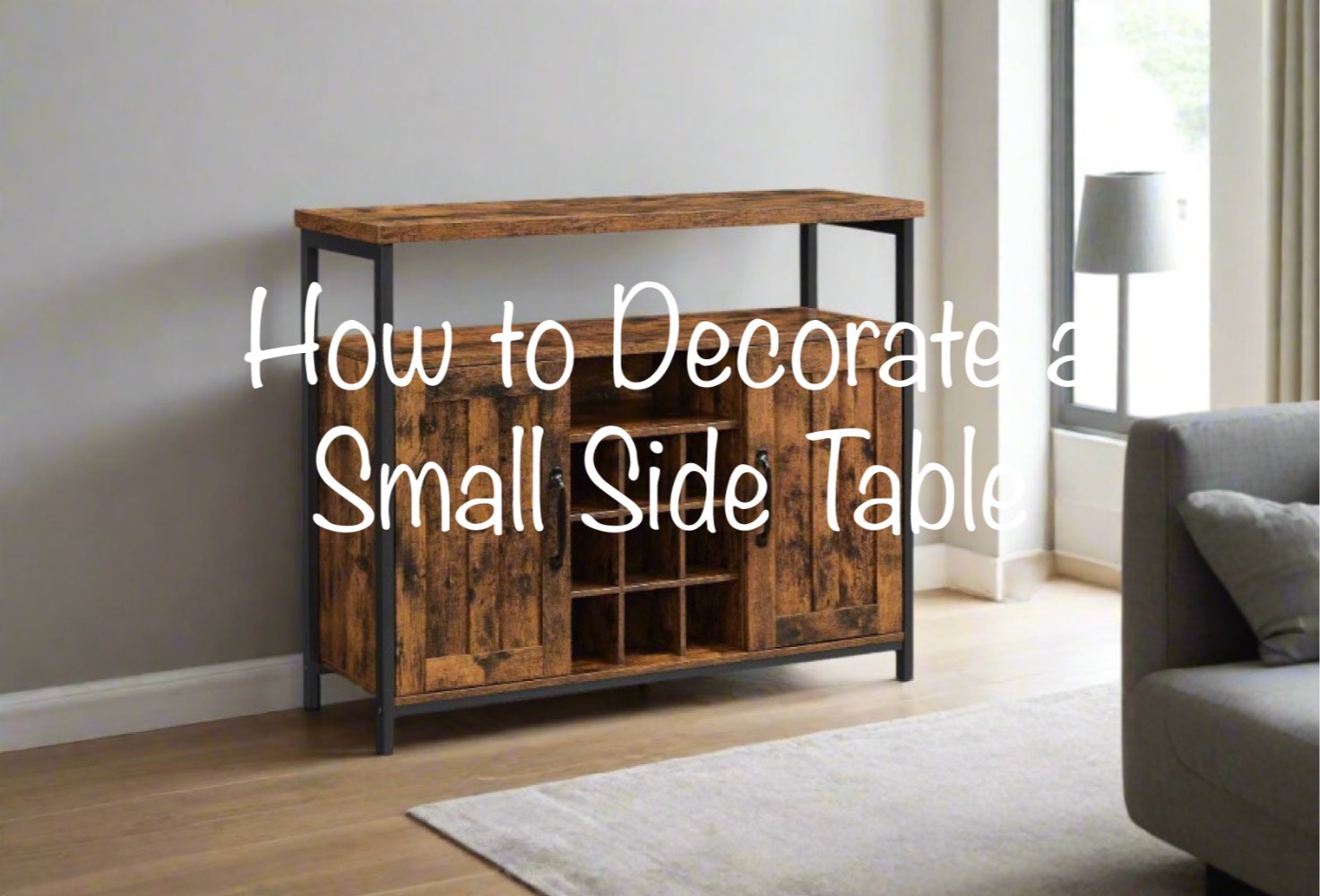
A small side table may seem like a minor piece of furniture, but it can have a surprisingly big impact on your space. Whether placed beside a sofa, armchair or bed, it offers the perfect opportunity to introduce personality, balance and function into a room. The key is to style it thoughtfully without overcrowding it. With limited surface area, every item needs to earn its place. From layering heights and textures to incorporating practical elements, decorating a small side table is about striking the right balance between beauty and usability. Here’s how to make the most of this compact yet powerful feature.
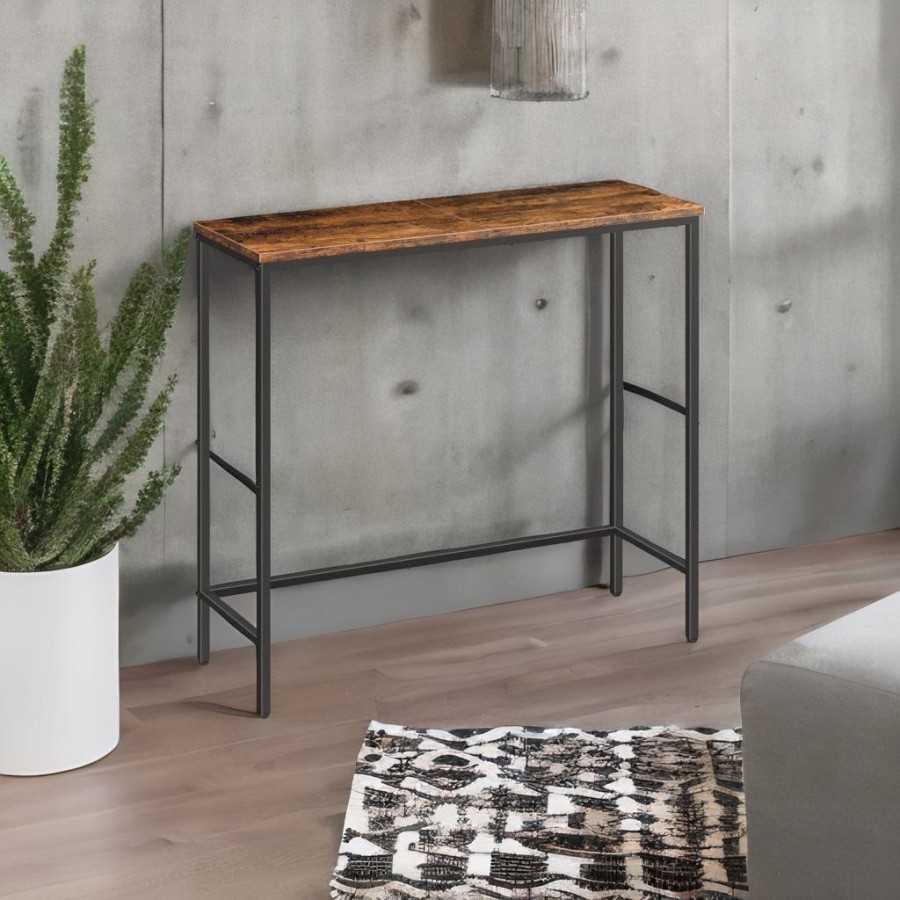
Start With Purpose
Before placing anything on your side table, consider its function. Is it primarily decorative, or does it need to serve a practical role? In a living room, it may need space for drinks, remote controls or a reading lamp. In a bedroom, it might act as a bedside table, holding a lamp, alarm clock or book.
Understanding the purpose helps you avoid clutter. If the table is heavily used, prioritise clear surface space. If it is more decorative, you can focus on styling details. A useful rule is to leave at least one third of the surface empty. This prevents the table from feeling crowded and allows items to stand out.
Also consider the surrounding furniture. The scale of your decor should complement both the table and nearby pieces. A delicate table can be overwhelmed by oversized accessories, while a sturdy, chunky design may require bolder styling to feel balanced.
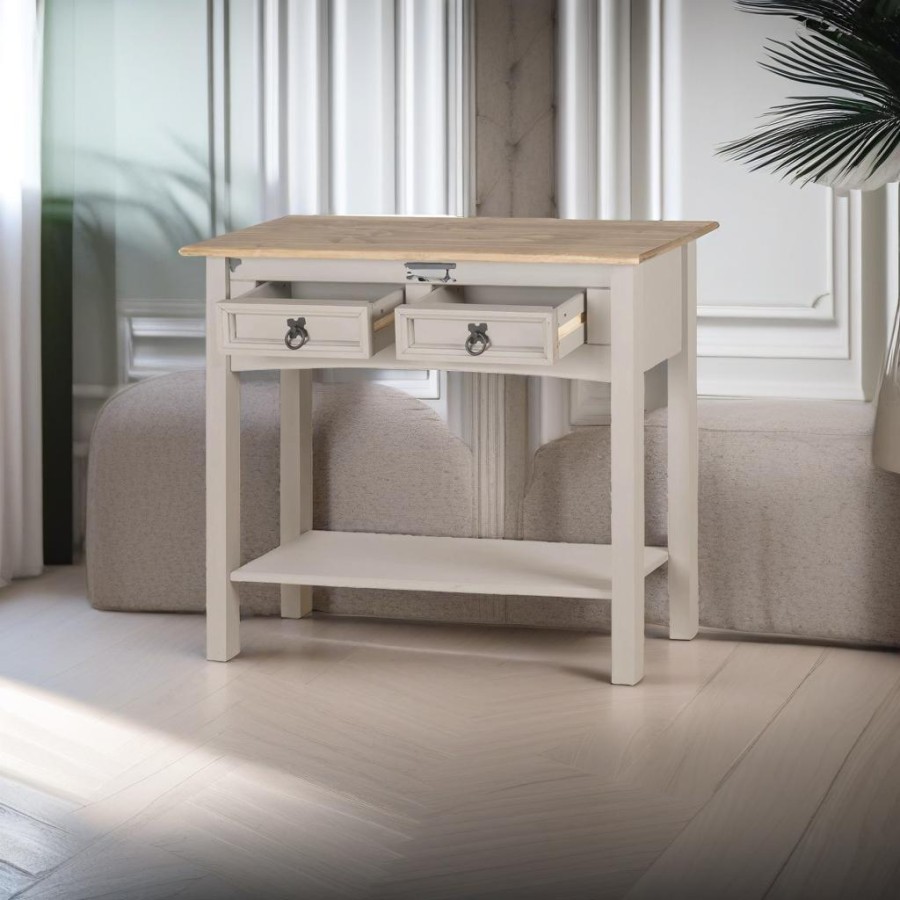
Layer Different Heights
One of the simplest ways to create visual interest on a small side table is by varying heights. A tall element, a medium feature and a low accessory work beautifully together. This creates dimension without taking up extra space.
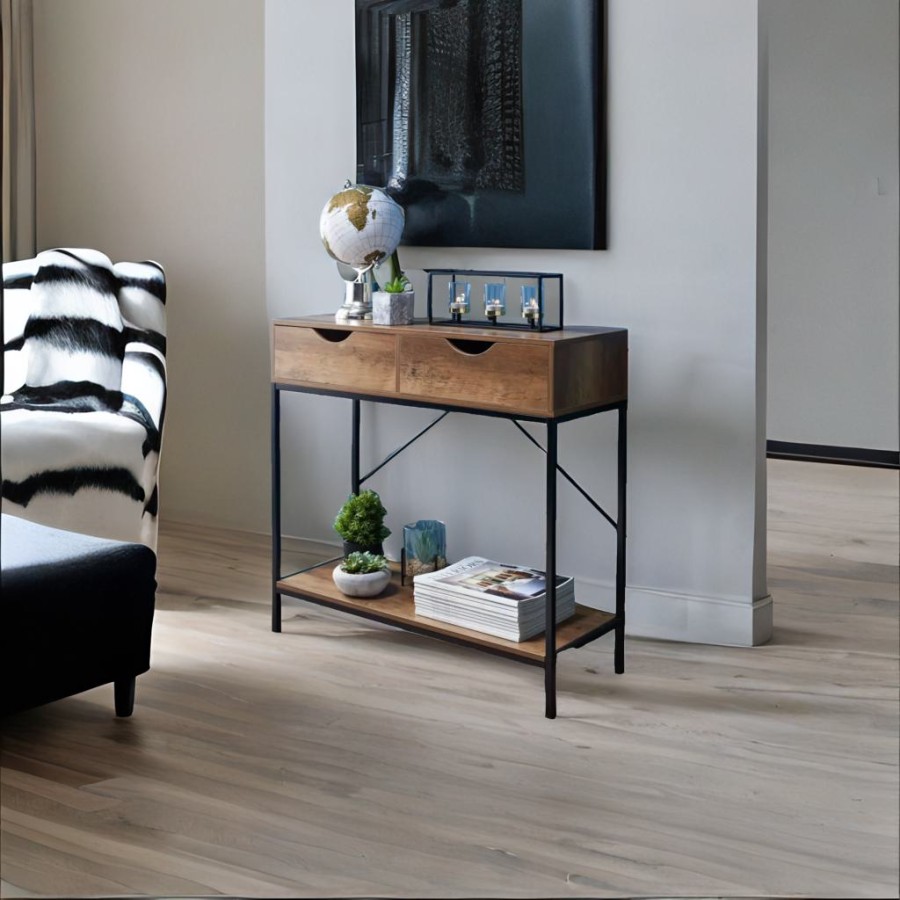
A table lamp is often the tallest item and provides both function and form. If you don’t need a lamp, a slim vase with fresh or dried stems works well. The medium layer might be a stack of books or a decorative object, while the lowest element could be a small dish or candle.
Avoid lining everything up at the same height, as this can look flat and uninspired. Instead, aim for a gentle stepping effect. Think of it as creating a miniature landscape. Even two or three items, when arranged thoughtfully, can look curated and intentional.
Add Texture and Contrast
Texture plays a crucial role in elevating a small space. On a compact table, contrast helps prevent the arrangement from feeling dull. If your table is wooden, consider adding glass, ceramic or metal accessories. If it is metal or marble, introduce softer textures such as fabric or woven elements.
A ceramic vase paired with a linen lampshade creates warmth. A metallic tray combined with a small plant adds freshness. Even a stack of books introduces subtle texture through paper and fabric covers.
Colour also matters. You don’t need a bold palette, but a hint of contrast can bring the table to life. If your room is neutral, consider adding greenery or a pop of muted colour through flowers or artwork. In a more colourful scheme, choose accessories that tie in with existing tones rather than competing with them.
By layering textures thoughtfully, your side table becomes a cohesive extension of the room rather than an afterthought.
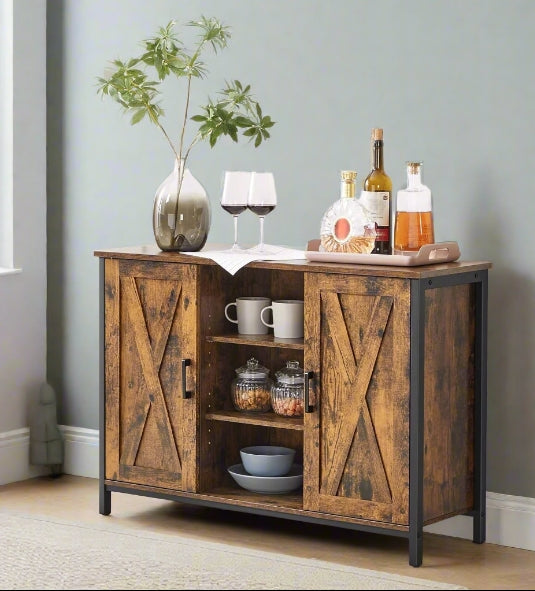
Use the Rule of Three
Designers often rely on the rule of three when styling surfaces. Odd numbers tend to feel more natural and balanced. On a small side table, three items are usually ideal.
For example:
- A lamp
- A small stack of books
- A decorative object or plant
This combination offers height, structure and personality without overwhelming the surface. If space allows, you can group smaller items together so they read as one visual element. For instance, a candle placed on top of two books counts as a single grouping.
Keep proportions in mind. The items should relate to one another in size and scale. Avoid using three objects that are nearly identical in height or shape. Variation creates interest, while cohesion keeps it harmonious.
If three feels too busy, two carefully chosen items can also work well — especially on particularly petite tables.
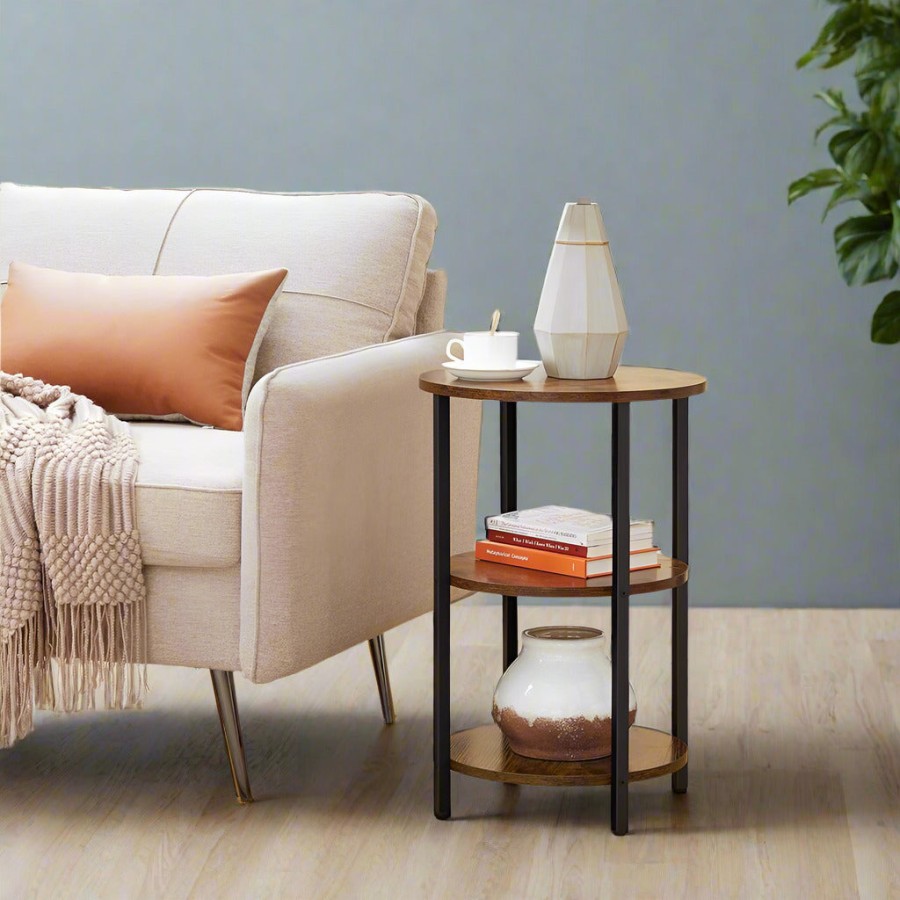
Incorporate Practical Beauty
A beautifully styled table should still be usable. The trick is to choose practical items that are also attractive. A decorative tray can corral everyday essentials such as coasters or glasses. A small lidded box can hide bits and pieces while adding character.
Books are especially effective. Choose titles that reflect your interests or complement your room’s colour scheme. They provide height and personality while remaining functional.
Plants are another excellent addition. A compact houseplant or small bouquet adds life and softness. If natural light is limited, opt for realistic faux greenery to achieve the same effect without maintenance.
Finally, remember lighting. If the table sits beside a chair, a well-chosen lamp enhances both atmosphere and practicality. Soft, warm bulbs create a welcoming glow and make the area feel cosy.
By blending aesthetics with usefulness, your side table will feel intentional rather than purely decorative.
Keep It Edited and Seasonal
Small surfaces benefit from regular editing. Remove items that no longer serve a purpose or feel out of place. Dust and rearrange occasionally to keep the display fresh.
You can also update your side table seasonally. In spring, add fresh flowers or pastel accents. During autumn, introduce warmer tones and perhaps a scented candle. In winter, consider richer textures such as brass or darker ceramics.
Rotating accessories prevents the space from feeling static and allows you to experiment without redecorating the entire room. However, resist the temptation to overcrowd the surface with seasonal decorations. Simplicity remains key.
A small side table should feel curated, not cluttered. When in doubt, take one item away. Often, less truly is more.
Conclusion
Decorating a small side table is about thoughtful curation rather than filling space. By considering purpose, layering heights, mixing textures and embracing practical beauty, you can transform even the tiniest surface into a stylish focal point. Keep arrangements simple, balanced and reflective of your personality. With careful editing and occasional seasonal updates, your side table will enhance the room without overwhelming it. Remember, small spaces thrive on intention. A few well-chosen pieces, arranged with care, can create a display that feels polished, welcoming and effortlessly elegant.
- Menu
- Fancy Dress
- Electronics & Gaming
- Clothing
- Pet Products
- Garden
- Tools & DIY
- Home & Leisure
- Gifting & Parties
- Toys
- Information
- About Us
- Become a seller
- Affiliate Programme
- Frequently Asked Questions
- Returns and Refunds
- Terms And Conditions
- Privacy Policy
- View our blog
- Featured
- View more
- Customer Care
- [email protected]
- +44 (0) 1702 617821
- ILFD Group Ltd T/A Cazaar®
- Company Number: 07034824