

- Events
- Australia Day
- Bastille Day
- Burns Night
- Christmas
- Darts
- Day of the Dead
- Eurovision
- Festivals / Summer
- Halloween
- Halloween Accessories
- Nativity
- Oktoberfest
- Olympics
- Pride
- Red Nose Day
- School Play Costumes
- St Andrew's Day
- St Davids Day
- St Georges / England Supporters
- St Patricks Day
- Six Nations Rugby
- Stag Do
- Summer
- Thanksgiving
- VE Day
- World Book Day
- Adult World Book Day Costumes
- 4th July

- Themes
- Animals
- Around The World
- Book Characters
- British
- Chocolate Factory
- Cops & Robbers
- Cosplay
- DC
- Doctors and Nurses
- Fairytale
- Funny / Novelty
- Gangster
- Harry Potter
- Hawaiian / Summer
- Heroes and Villains
- Historical
- Army, Air Force & Naval
- Mexican Fiesta
- Pick Me Up
- Pink Cowgirl Hat Aesthetic
- Pirates
- Popstars and Celebrities
- Pre Historic
- Religious
- Sexy Costumes
- Sports
- Star Wars
- Steampunk
- Suits
- Tiger King
- TV, Film and Game
- Wild West
- Wizard of Oz
- Wizards & Witches
- 2000s
- 1990s
- 1980s
- 1960s 1970s
- 1950s
- 1940s
- 1920s


- Cosmetics
- Body Crayons
- Eye Liner
- Fabric Paint
- Face & Body Paint
- Face Jewels
- Fake Blood
- FX Fluids
- Glitter Fixatives
- Glitter Gel
- Glitter Shaker
- Hair Gel
- Hair Streaks
- Lipgloss
- Lipstick
- Lip Tattoos
- Loose Glitter
- Mascara
- Nail Polish
- Pigment Shakers
- Pro Face Paint Cake Pots
- Scars, Wounds, Prosthetics & FX

- Accessories
- Bandanas & Scarves
- Belts
- Braces
- Capes
- Elf Accessories
- Eye Lashes
- Facial Hair
- Feather Boas
- Glasses
- Gloves
- Guns, Weapons & Swords
- Hats & Headwear
- Hosiery
- Inflatables
- Jewellery
- Masks
- Masquerade Masks
- Pacifiers
- Props
- Sets & Kits
- Shoe Covers
- Shoes / Boots
- Sleeves
- Teeth
- Ties & Bowties
- Tutus & Underskirts
- Wigs
- Wings & Wands
- Other


- Gifts by Category
- Alternative
- Balloon Dog Sculptures
- Batteries
- Colouring Books
- Decorative Accessories
- Food & Drink
- Fragrance
- Gadgets & Tech
- Gift Sets
- Gifts for the Home
- Homeware
- Jewellery
- Keepsakes
- Knitting Wool
- Life
- Luggage & Suitcases
- Miscellaneous
- Ornaments
- Personalised Gifts
- Puzzle Books
- Puzzles
- Slippers
- Smoking
- Stationery
- Umbrellas
- Vehicle
- Wallets & Purses
- Warmies



-
- Australia Day
- Bastille Day
- Burns Night
- Christmas
- Darts
- Day of the Dead
- Eurovision
- Festivals / Summer
- Halloween
- Halloween Accessories
- Nativity
- Oktoberfest
- Olympics
- Pride
- Red Nose Day
- School Play Costumes
- St Andrew's Day
- St Davids Day
- St Georges / England Supporters
- St Patricks Day
- Six Nations Rugby
- Stag Do
- Summer
- Thanksgiving
- VE Day
- World Book Day
- Adult World Book Day Costumes
- 4th July
-
- Animals
- Around The World
- Book Characters
- British
- Chocolate Factory
- Cops & Robbers
- Cosplay
- DC
- Doctors and Nurses
- Fairytale
- Funny / Novelty
- Gangster
- Harry Potter
- Hawaiian / Summer
- Heroes and Villains
- Historical
- Army, Air Force & Naval
- Mexican Fiesta
- Pick Me Up
- Pink Cowgirl Hat Aesthetic
- Pirates
- Popstars and Celebrities
- Pre Historic
- Religious
- Sexy Costumes
- Sports
- Star Wars
- Steampunk
- Suits
- Tiger King
- TV, Film and Game
- Wild West
- Wizard of Oz
- Wizards & Witches
- 2000s
- 1990s
- 1980s
- 1960s 1970s
- 1950s
- 1940s
- 1920s
-
- Bandanas & Scarves
- Belts
- Braces
- Capes
- Elf Accessories
- Eye Lashes
- Facial Hair
- Feather Boas
- Glasses
- Gloves
- Guns, Weapons & Swords
- Hats & Headwear
- Hosiery
- Inflatables
- Jewellery
- Masks
- Masquerade Masks
- Pacifiers
- Props
- Sets & Kits
- Shoe Covers
- Shoes / Boots
- Sleeves
- Teeth
- Ties & Bowties
- Tutus & Underskirts
- Wigs
- Wings & Wands
- Other




-
- Alternative
- Balloon Dog Sculptures
- Batteries
- Colouring Books
- Decorative Accessories
- Food & Drink
- Fragrance
- Gadgets & Tech
- Gift Sets
- Gifts for the Home
- Homeware
- Jewellery
- Keepsakes
- Knitting Wool
- Life
- Luggage & Suitcases
- Miscellaneous
- Ornaments
- Personalised Gifts
- Puzzle Books
- Puzzles
- Slippers
- Smoking
- Stationery
- Umbrellas
- Vehicle
- Wallets & Purses
- Warmies

What Is Rope Made Of?
by Darren Butler
Last updated: Nov 04, 2025
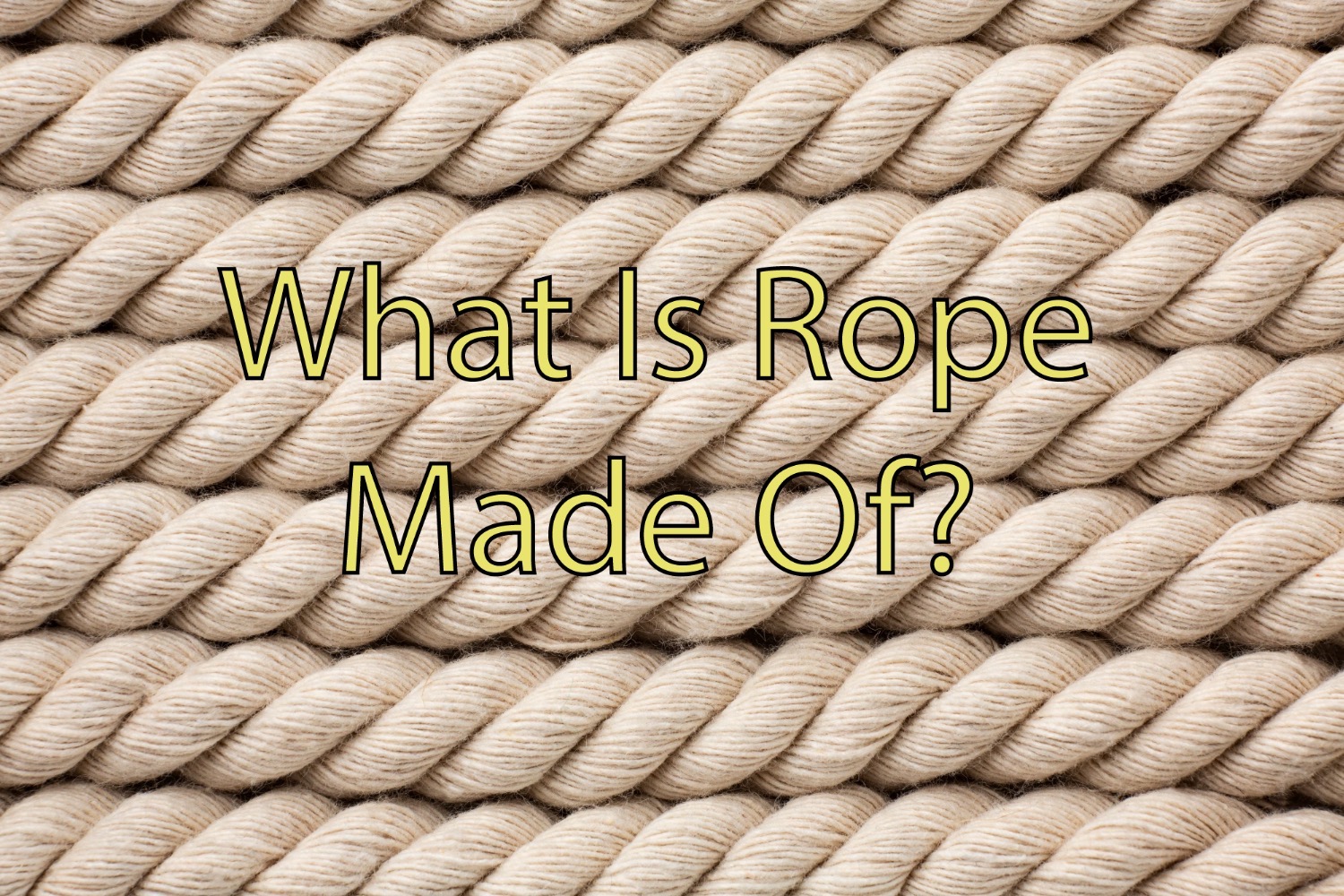
Rope is one of humanity’s oldest and most versatile tools, used for everything from sailing ships to securing tents, climbing mountains, and even creating art. But have you ever stopped to wonder what rope is actually made of? The answer depends on its purpose, strength requirements, and where it’s used. Modern ropes come in many materials — natural, synthetic, and blended — each offering unique benefits and characteristics. Understanding the materials behind rope helps you choose the right one for the job, whether you’re tying down a load, working outdoors, or enjoying recreational activities like camping or boating.
A Brief History of Rope
Rope making is an ancient craft dating back thousands of years. Early civilisations used plant fibres such as reeds, grasses, and bark to create primitive forms of rope. The Egyptians, for instance, used papyrus and palm fibre ropes to build their monumental pyramids. As rope making evolved, fibres like hemp and flax became common due to their strength and flexibility.
In the modern era, synthetic fibres such as nylon, polyester, and polypropylene revolutionised rope production, offering greater durability, resistance to rot, and consistent quality. Today, rope is an essential tool in industries ranging from shipping and construction to leisure and rescue operations.
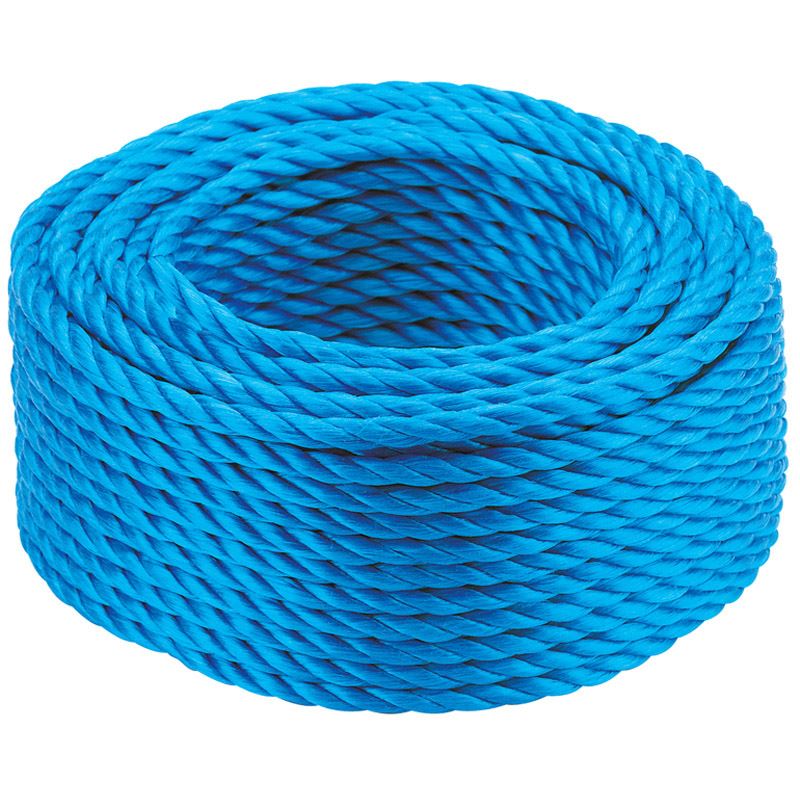
Natural Fibre Ropes
Before synthetics came along, all ropes were made from natural materials. While they’re less common today, natural fibre ropes are still valued for their traditional look, feel, and eco-friendliness.
- Hemp Rope
Hemp has been used for centuries and remains one of the strongest natural fibres. It’s made from the stalks of the Cannabis sativa plant (the industrial variety, not the drug-producing kind). Hemp rope is tough, resists stretching, and has excellent grip, making it ideal for decorative purposes, theatre rigging, and maritime use. However, it can rot if left damp for long periods. - Sisal Rope
Derived from the leaves of the Agave sisalana plant, sisal rope is coarse, strong, and biodegradable. It’s often used in gardening, landscaping, and agriculture because it’s inexpensive and environmentally friendly. It’s not as flexible as hemp or manila, but it’s very durable and holds knots well. - Manila Rope
Manila rope, made from the abacá plant native to the Philippines, is another traditional choice. It’s stronger and more flexible than sisal, with a golden-brown colour that gives it a distinctive look. It’s commonly used in shipping, tug-of-war games, and theatre rigging. Like other natural fibres, it absorbs water and can degrade over time if not properly maintained. - Cotton Rope
Cotton rope is soft, flexible, and gentle on the hands, though not as strong as other natural fibres. It’s commonly used in decorative applications, pet toys, and for crafts. Its softness and absorbency also make it ideal for use in macramé, climbing holds, and fitness ropes.
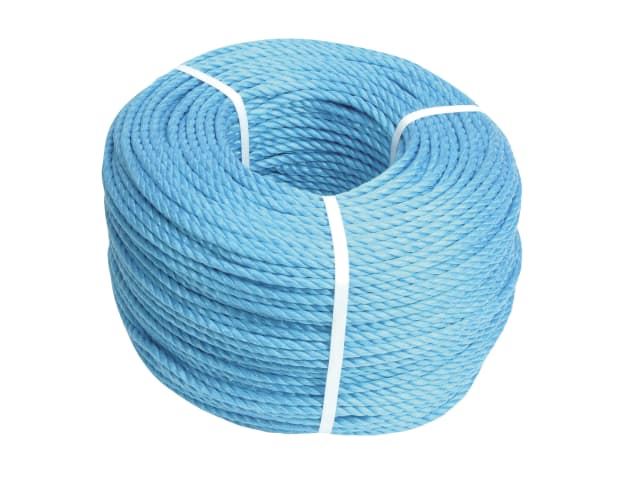
Synthetic Fibre Ropes
The 20th century brought major changes to rope making with the invention of synthetic materials. These ropes outperform natural fibres in many ways, offering improved strength, weather resistance, and longevity.
- Nylon Rope
Nylon is one of the most popular synthetic rope materials. It’s incredibly strong, elastic, and resistant to abrasion. These properties make it excellent for dynamic loads — for example, towing, climbing, and mooring lines. Nylon can stretch under tension and absorb shocks, reducing the risk of snapping. However, it can lose strength when wet and may degrade over time if exposed to UV light for prolonged periods. - Polyester Rope
Polyester is another high-performance material that rivals nylon in strength but with less stretch. It’s highly resistant to UV rays, abrasion, and most chemicals, making it ideal for marine and outdoor use. Because it doesn’t absorb much water, polyester rope maintains its strength when wet — perfect for sailing, anchoring, and rigging applications. - Polypropylene Rope
Polypropylene rope is lightweight, inexpensive, and floats on water. These qualities make it popular for boating, camping, and general utility purposes. It’s available in bright colours and resists mildew and rot, though it’s less strong and heat-resistant than nylon or polyester. Over time, UV exposure can make polypropylene ropes brittle, so they’re best used for short-term or indoor applications. - Polyethylene Rope
Similar to polypropylene, polyethylene rope is lightweight and floats, making it suitable for water-based activities and fishing nets. It’s affordable and resistant to chemicals and moisture but doesn’t offer the same durability as polyester or nylon. It’s often used where cost and buoyancy matter more than long-term wear.
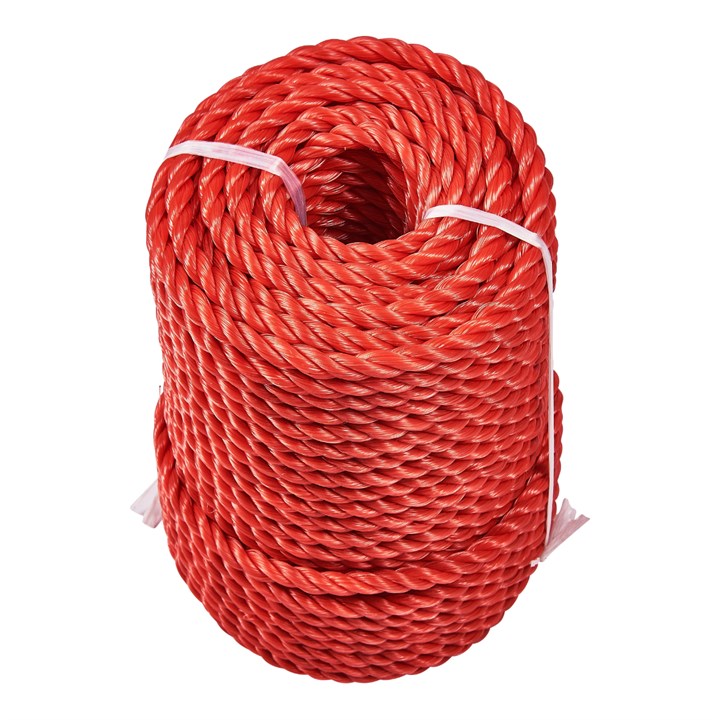
Specialised and Blended Ropes
Modern technology has allowed rope manufacturers to combine materials for enhanced performance. For example, a rope might have a polyester sheath for UV protection and a nylon core for elasticity and strength. Such blended ropes are used in climbing, rescue operations, and sailing.
There are also high-tech fibres designed for extreme conditions:
- Dyneema® and Spectra® Ropes
Made from ultra-high molecular weight polyethylene (UHMWPE), these ropes are exceptionally strong and lightweight — even stronger than steel by weight. They float on water, resist abrasion, and are used in high-performance sailing, industrial rigging, and rescue work. However, they’re more expensive than standard rope types. - Aramid Ropes (Kevlar® and Technora®)
Aramid fibres are known for their heat resistance and incredible strength. Kevlar® ropes are used in fire rescue, military applications, and environments where extreme temperatures are a concern. They don’t stretch much, which makes them unsuitable for dynamic loads but perfect for static or tensioned applications.
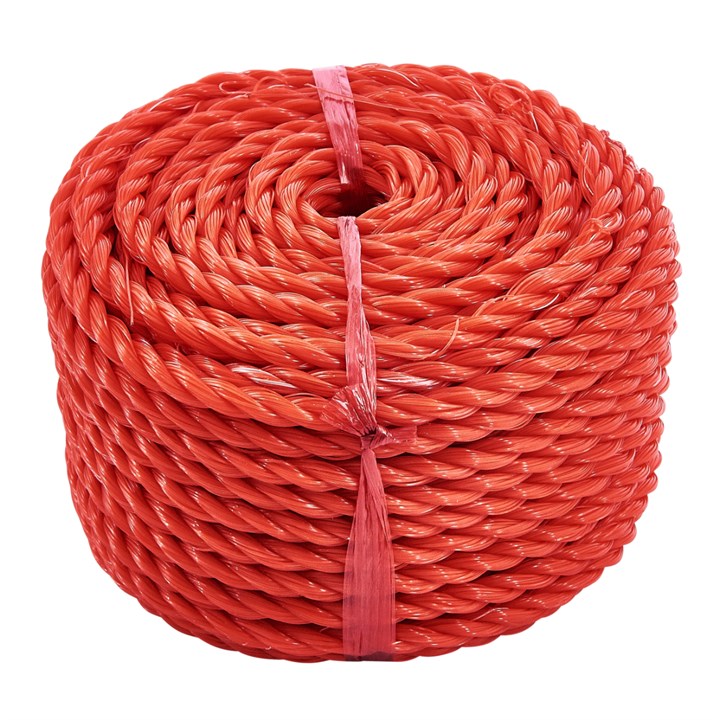
Rope Construction: More Than Just Material
What rope is made of isn’t just about fibre type — construction matters too. The way fibres are twisted or braided affects flexibility, strength, and handling.
- Twisted Rope
Also known as laid rope, this is the traditional style where strands are twisted together. It’s easy to splice and repair but can kink under load. - Braided Rope
Braided ropes are made by weaving fibres in a complex pattern. They’re smooth, flexible, and resistant to twisting, making them ideal for climbing and sailing. Variants include double-braided (a rope within a rope) and hollow-braided (for lightweight uses). - Kernmantle Rope
Used mainly in climbing and rescue, kernmantle ropes have a strong inner core (the kern) and a protective woven outer sheath (the mantle). This design offers excellent strength, shock absorption, and durability.
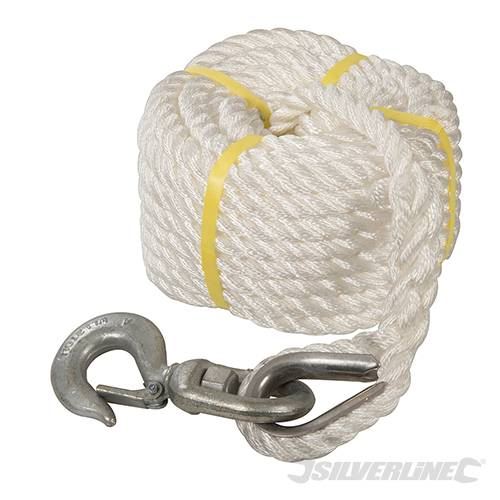
Environmental Considerations
With growing awareness of sustainability, rope materials are being re-evaluated. Natural fibres are biodegradable but have a shorter lifespan. Synthetic ropes last longer but can contribute to microplastic pollution. Some manufacturers now produce eco-friendly ropes made from recycled plastics or organic fibres treated to resist weathering — offering a compromise between performance and sustainability.
Conclusion
Rope may look simple, but its composition is anything but. From traditional natural fibres like hemp and manila to cutting-edge synthetics such as Dyneema® and Kevlar®, each material serves a specific purpose. Whether you need a strong, flexible rope for climbing, a water-resistant line for sailing, or a biodegradable option for gardening, understanding what rope is made of helps you make the right choice. As technology and environmental awareness evolve, rope manufacturing continues to balance strength, safety, and sustainability — proving that even this age-old tool still has plenty of room for innovation.
- Menu
- Fancy Dress
- Electronics & Gaming
- Clothing
- Pet Products
- Garden
- Tools & DIY
- Home & Leisure
- Gifting & Parties
- Toys
- Information
- About Us
- Become a seller
- Affiliate Programme
- Frequently Asked Questions
- Returns and Refunds
- Terms And Conditions
- Privacy Policy
- View our blog
- Featured
- View more
- Customer Care
- [email protected]
- +44 (0) 1702 617821
- ILFD Group Ltd T/A Cazaar®
- Company Number: 07034824