

- Events
- Australia Day
- Bastille Day
- Burns Night
- Christmas
- Darts
- Day of the Dead
- Eurovision
- Festivals / Summer
- Halloween
- Halloween Accessories
- Nativity
- Oktoberfest
- Olympics
- Pride
- Red Nose Day
- School Play Costumes
- St Andrew's Day
- St Davids Day
- St Georges / England Supporters
- St Patricks Day
- Six Nations Rugby
- Stag Do
- Summer
- Thanksgiving
- VE Day
- World Book Day
- Adult World Book Day Costumes
- 4th July

- Themes
- Animals
- Around The World
- Book Characters
- British
- Chocolate Factory
- Cops & Robbers
- Cosplay
- DC
- Doctors and Nurses
- Fairytale
- Funny / Novelty
- Gangster
- Harry Potter
- Hawaiian / Summer
- Heroes and Villains
- Historical
- Army, Air Force & Naval
- Mexican Fiesta
- Pick Me Up
- Pink Cowgirl Hat Aesthetic
- Pirates
- Popstars and Celebrities
- Pre Historic
- Religious
- Sexy Costumes
- Sports
- Star Wars
- Steampunk
- Suits
- Tiger King
- TV, Film and Game
- Wild West
- Wizard of Oz
- Wizards & Witches
- 2000s
- 1990s
- 1980s
- 1960s 1970s
- 1950s
- 1940s
- 1920s


- Cosmetics
- Body Crayons
- Eye Liner
- Fabric Paint
- Face & Body Paint
- Face Jewels
- Fake Blood
- FX Fluids
- Glitter Fixatives
- Glitter Gel
- Glitter Shaker
- Hair Gel
- Hair Streaks
- Lipgloss
- Lipstick
- Lip Tattoos
- Loose Glitter
- Mascara
- Nail Polish
- Pigment Shakers
- Pro Face Paint Cake Pots
- Scars, Wounds, Prosthetics & FX

- Accessories
- Bandanas & Scarves
- Belts
- Braces
- Capes
- Elf Accessories
- Eye Lashes
- Facial Hair
- Feather Boas
- Glasses
- Gloves
- Guns, Weapons & Swords
- Hats & Headwear
- Hosiery
- Inflatables
- Jewellery
- Masks
- Masquerade Masks
- Pacifiers
- Props
- Sets & Kits
- Shoe Covers
- Shoes / Boots
- Sleeves
- Teeth
- Ties & Bowties
- Tutus & Underskirts
- Wigs
- Wings & Wands
- Other


- Gifts by Category
- Alternative
- Balloon Dog Sculptures
- Batteries
- Colouring Books
- Decorative Accessories
- Food & Drink
- Fragrance
- Gadgets & Tech
- Gift Sets
- Gifts for the Home
- Homeware
- Jewellery
- Keepsakes
- Knitting Wool
- Life
- Luggage & Suitcases
- Miscellaneous
- Ornaments
- Personalised Gifts
- Puzzle Books
- Puzzles
- Slippers
- Smoking
- Stationery
- Umbrellas
- Vehicle
- Wallets & Purses
- Warmies



-
- Australia Day
- Bastille Day
- Burns Night
- Christmas
- Darts
- Day of the Dead
- Eurovision
- Festivals / Summer
- Halloween
- Halloween Accessories
- Nativity
- Oktoberfest
- Olympics
- Pride
- Red Nose Day
- School Play Costumes
- St Andrew's Day
- St Davids Day
- St Georges / England Supporters
- St Patricks Day
- Six Nations Rugby
- Stag Do
- Summer
- Thanksgiving
- VE Day
- World Book Day
- Adult World Book Day Costumes
- 4th July
-
- Animals
- Around The World
- Book Characters
- British
- Chocolate Factory
- Cops & Robbers
- Cosplay
- DC
- Doctors and Nurses
- Fairytale
- Funny / Novelty
- Gangster
- Harry Potter
- Hawaiian / Summer
- Heroes and Villains
- Historical
- Army, Air Force & Naval
- Mexican Fiesta
- Pick Me Up
- Pink Cowgirl Hat Aesthetic
- Pirates
- Popstars and Celebrities
- Pre Historic
- Religious
- Sexy Costumes
- Sports
- Star Wars
- Steampunk
- Suits
- Tiger King
- TV, Film and Game
- Wild West
- Wizard of Oz
- Wizards & Witches
- 2000s
- 1990s
- 1980s
- 1960s 1970s
- 1950s
- 1940s
- 1920s
-
- Bandanas & Scarves
- Belts
- Braces
- Capes
- Elf Accessories
- Eye Lashes
- Facial Hair
- Feather Boas
- Glasses
- Gloves
- Guns, Weapons & Swords
- Hats & Headwear
- Hosiery
- Inflatables
- Jewellery
- Masks
- Masquerade Masks
- Pacifiers
- Props
- Sets & Kits
- Shoe Covers
- Shoes / Boots
- Sleeves
- Teeth
- Ties & Bowties
- Tutus & Underskirts
- Wigs
- Wings & Wands
- Other






-
- Alternative
- Balloon Dog Sculptures
- Batteries
- Colouring Books
- Decorative Accessories
- Food & Drink
- Fragrance
- Gadgets & Tech
- Gift Sets
- Gifts for the Home
- Homeware
- Jewellery
- Keepsakes
- Knitting Wool
- Life
- Luggage & Suitcases
- Miscellaneous
- Ornaments
- Personalised Gifts
- Puzzle Books
- Puzzles
- Slippers
- Smoking
- Stationery
- Umbrellas
- Vehicle
- Wallets & Purses
- Warmies

What is an Air Compressor and How Do They Work
by Darren Butler
Last updated: Sep 12, 2025
Air compressors are versatile tools used in homes, workshops, and industrial settings, powering a wide range of equipment from pneumatic tools to spray guns. Despite their widespread use, many people are unsure exactly what an air compressor is or how it functions. In essence, an air compressor is a device that converts power into stored air pressure, providing energy to drive tools and machinery. Understanding the mechanics behind these devices can help users choose the right model for their needs, maintain it effectively, and operate it safely. This article will explain the basics of air compressors, their types, and how they work.
What is an Air Compressor?
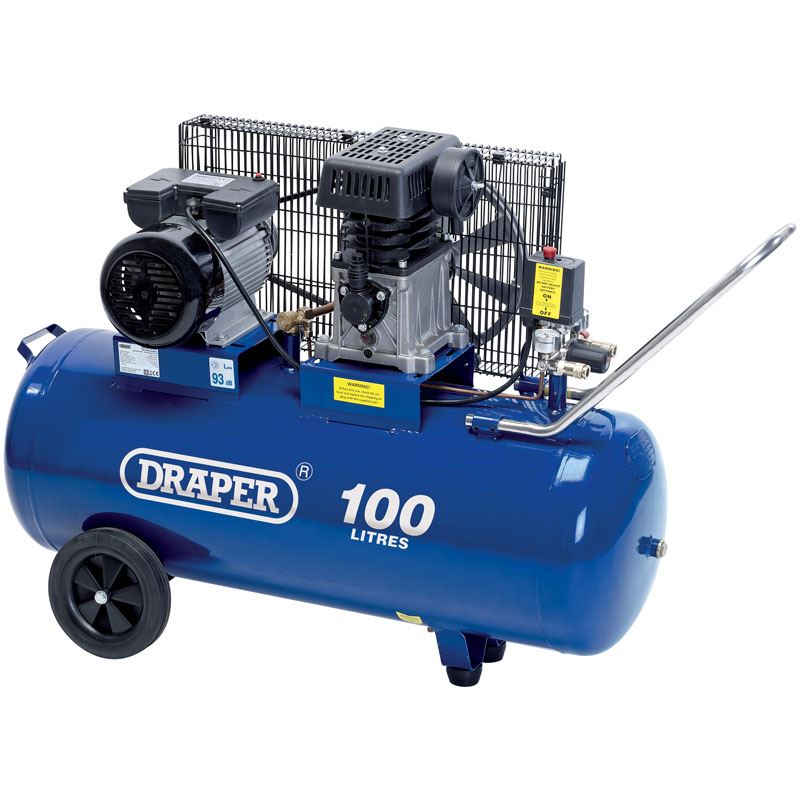
An air compressor is a machine designed to increase the pressure of air by reducing its volume. Essentially, it takes in air at atmospheric pressure, compresses it, and stores it in a tank for later use. The stored compressed air can then be released to power tools, inflate tyres, or even provide energy in industrial processes. Air compressors can be powered by electricity, diesel, petrol, or other fuels, depending on the application and required portability.
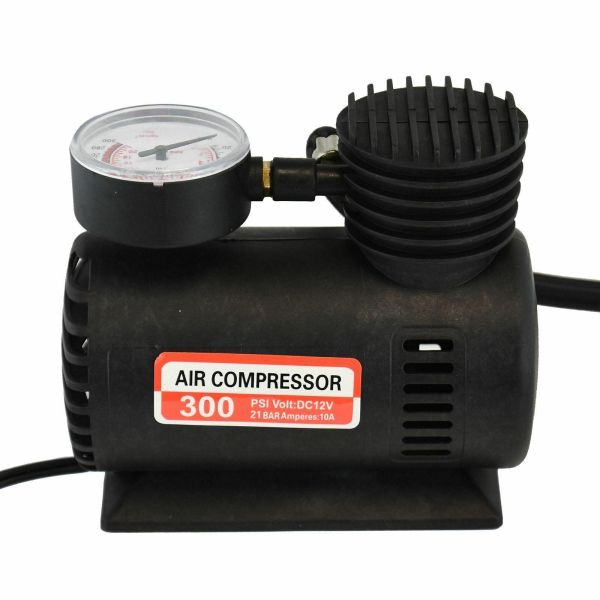
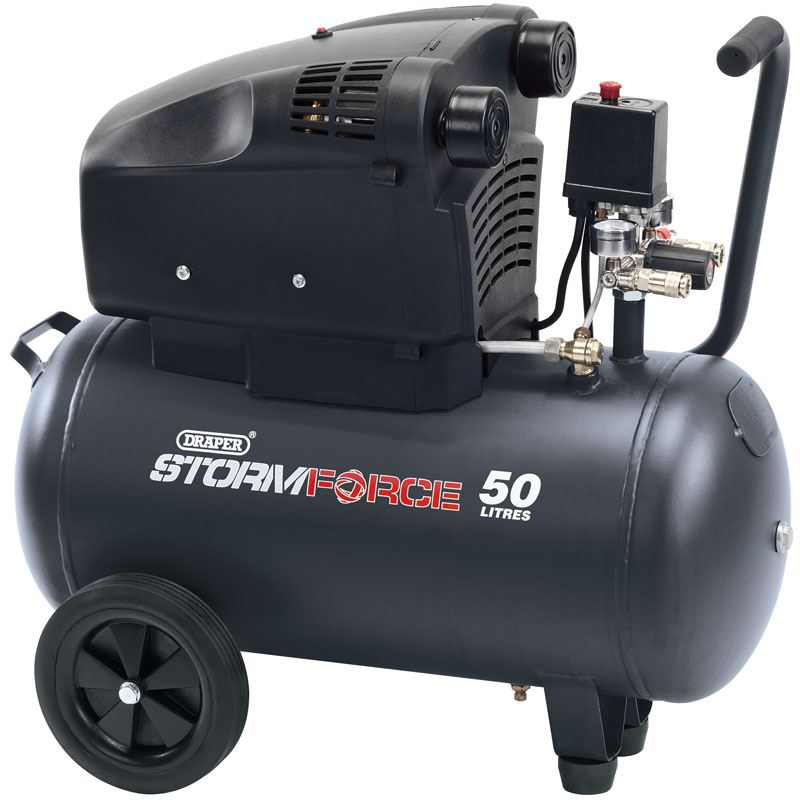
The main components of an air compressor include the motor, pump, storage tank, and various valves and gauges. The motor drives the pump, which compresses the air and pushes it into the storage tank. Pressure gauges allow the user to monitor the amount of compressed air available, while safety valves prevent excessive pressure build-up. This combination of components allows the air compressor to deliver a steady and controlled supply of compressed air whenever it is needed.
How Do Air Compressors Work?
Air compressors operate on the principle of converting mechanical energy into potential energy stored in compressed air. The process begins when the compressor draws in atmospheric air through an intake valve. Once inside, the air is compressed by a pump, which can use various mechanisms depending on the type of compressor.
Reciprocating (Piston) Compressors
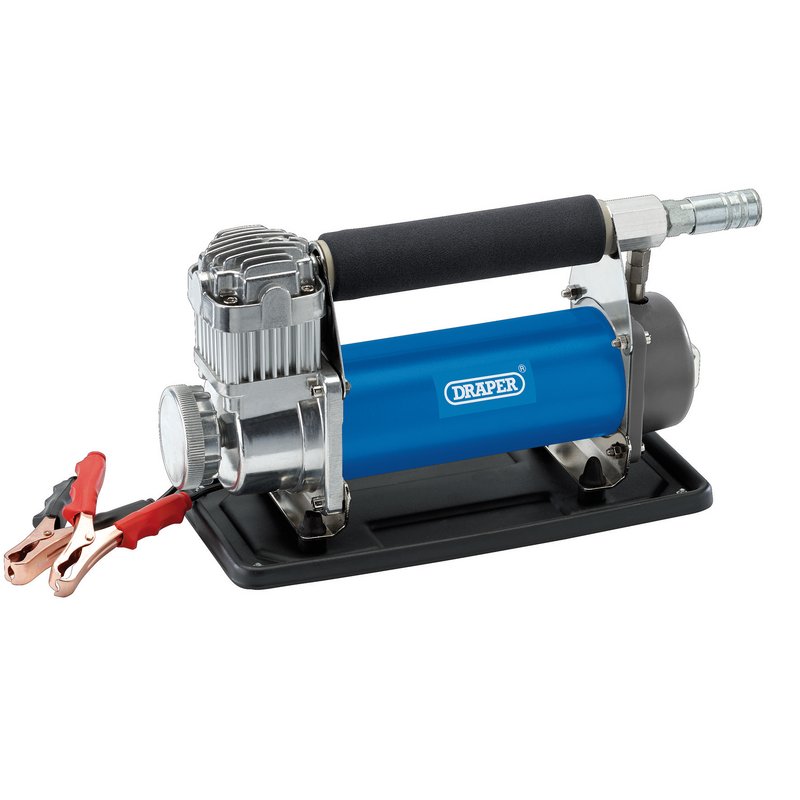
Reciprocating compressors are one of the most common types. They use pistons driven by a crankshaft to compress air inside a cylinder. As the piston moves downward, it creates a vacuum that draws air into the cylinder. When the piston moves upward, it compresses the air, increasing its pressure. A valve then releases the compressed air into a storage tank. These compressors are available in single-stage or two-stage configurations, with two-stage compressors offering higher pressures and efficiency for industrial applications.
Rotary Screw Compressors
Rotary screw compressors use two interlocking helical screws to compress air. As the screws rotate, air is trapped between them and forced through a narrowing space, which increases its pressure. This type of compressor provides a continuous flow of compressed air and is commonly used in industrial settings due to its efficiency and reliability. Unlike piston compressors, rotary screw models produce less vibration and operate more quietly.
Centrifugal Compressors
Centrifugal compressors use a high-speed rotating impeller to accelerate air, which is then slowed in a diffuser to increase pressure. This method is similar to the way a fan works but with the added step of compression. Centrifugal compressors are generally used in large-scale industrial applications where high volumes of air are required continuously.
Key Working Components
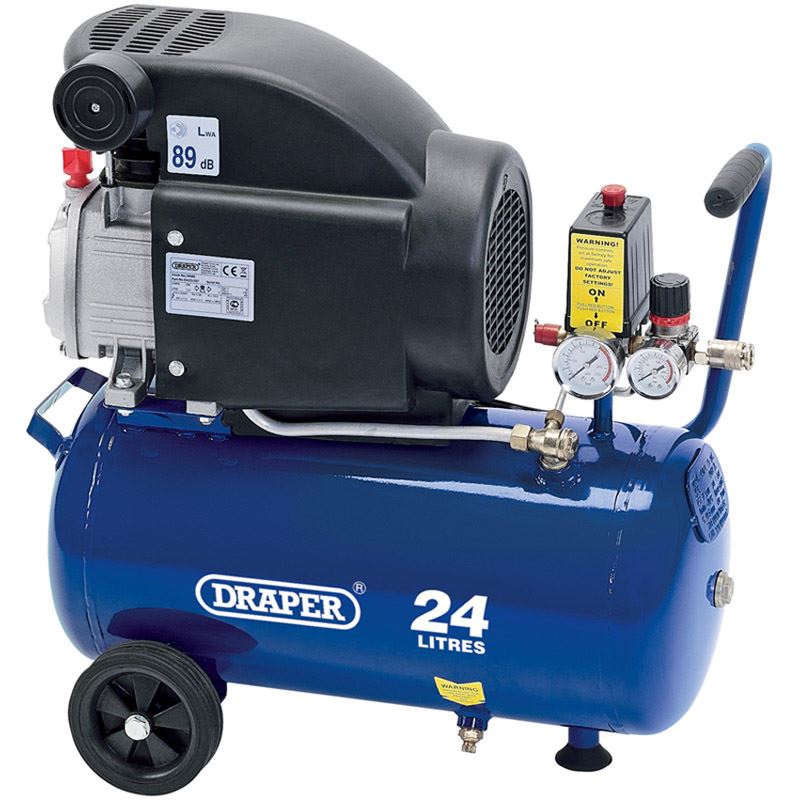
Regardless of the type, all compressors share some essential elements. The motor provides energy to drive the compression mechanism. The pump or compression chamber is where air pressure is increased. The storage tank holds the compressed air for use, and valves and regulators control air flow and pressure, ensuring safe and efficient operation. Some compressors also include cooling systems to prevent overheating and lubricators to reduce wear on moving parts.
Applications of Air Compressors
Air compressors are incredibly versatile. In construction, they power jackhammers, nail guns, and paint sprayers. In automotive workshops, they inflate tyres, operate pneumatic tools, and assist in vehicle painting. In manufacturing and industry, compressors provide air for machinery, robotic arms, and pneumatic conveyors. Even in home use, small compressors are handy for inflating sports equipment, air mattresses, or cleaning dust from electronics.
Moreover, air compressors are crucial in specialised sectors such as medicine, where they power dental tools, and in aviation, where they provide air for instrument testing and cabin pressurisation. Their ability to store and deliver controlled air pressure makes them an indispensable tool across countless fields.
Maintenance and Safety Tips
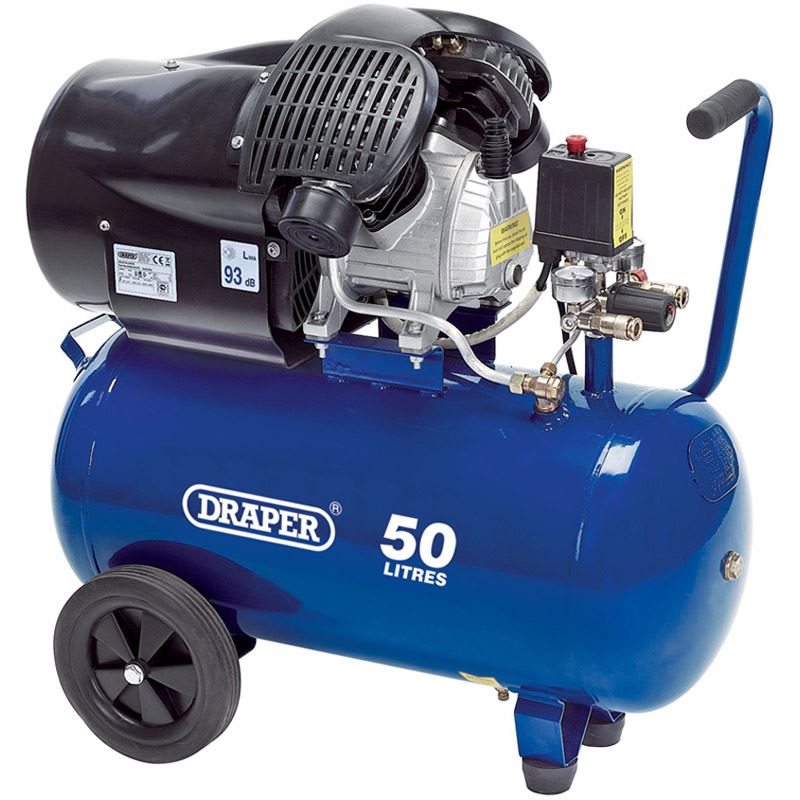
Proper maintenance is key to ensuring an air compressor’s longevity and safety. Regularly checking and replacing air filters, monitoring oil levels in lubricated compressors, and draining moisture from the tank are essential steps. Always inspect hoses and fittings for wear or leaks. Safety is also paramount: never exceed the manufacturer’s recommended pressure, use pressure relief valves, and avoid modifying the compressor without guidance. Wearing protective equipment, such as gloves and eye protection, is recommended when operating high-pressure compressors. By following these guidelines, users can enjoy reliable performance while minimising the risk of accidents.
Conclusion
Air compressors are essential tools in both professional and domestic environments, providing a reliable source of energy for countless applications. By understanding how they work, the types available, and their proper maintenance, users can select the right compressor and operate it safely and efficiently. Whether it’s a small portable model for home use or a large industrial unit, the principles remain the same: compress air, store it, and use it as needed. With careful use and maintenance, air compressors can deliver years of dependable service, making them an invaluable addition to any workshop, construction site, or home toolkit.
- Menu
- Fancy Dress
- Electronics & Gaming
- Clothing
- Pet Products
- Garden
- Tools & DIY
- Home & Leisure
- Gifting & Parties
- Toys
- Information
- About Us
- Become a seller
- Affiliate Programme
- Frequently Asked Questions
- Returns and Refunds
- Terms And Conditions
- Privacy Policy
- View our blog
- Featured
- View more
- Customer Care
- [email protected]
- +44 (0) 1702 617821
- ILFD Group Ltd T/A Cazaar®
- Company Number: 07034824