

- Events
- Australia Day
- Bastille Day
- Burns Night
- Christmas
- Darts
- Day of the Dead
- Eurovision
- Festivals / Summer
- Halloween
- Halloween Accessories
- Nativity
- Oktoberfest
- Olympics
- Pride
- Red Nose Day
- School Play Costumes
- St Andrew's Day
- St Davids Day
- St Georges / England Supporters
- St Patricks Day
- Six Nations Rugby
- Stag Do
- Summer
- Thanksgiving
- VE Day
- World Book Day
- Adult World Book Day Costumes
- 4th July

- Themes
- Animals
- Around The World
- Book Characters
- British
- Chocolate Factory
- Cops & Robbers
- Cosplay
- DC
- Doctors and Nurses
- Fairytale
- Funny / Novelty
- Gangster
- Harry Potter
- Hawaiian / Summer
- Heroes and Villains
- Historical
- Army, Air Force & Naval
- Mexican Fiesta
- Pick Me Up
- Pink Cowgirl Hat Aesthetic
- Pirates
- Popstars and Celebrities
- Pre Historic
- Religious
- Sexy Costumes
- Sports
- Star Wars
- Steampunk
- Suits
- Tiger King
- TV, Film and Game
- Wild West
- Wizard of Oz
- Wizards & Witches
- 2000s
- 1990s
- 1980s
- 1960s 1970s
- 1950s
- 1940s
- 1920s


- Cosmetics
- Body Crayons
- Eye Liner
- Fabric Paint
- Face & Body Paint
- Face Jewels
- Fake Blood
- FX Fluids
- Glitter Fixatives
- Glitter Gel
- Glitter Shaker
- Hair Colour Spray
- Hair Gel
- Hair Streaks
- Lipgloss
- Lipstick
- Lip Tattoos
- Loose Glitter
- Mascara
- Nail Polish
- Pigment Shakers
- Pro Face Paint Cake Pots
- Scars, Wounds, Prosthetics & FX

- Accessories
- Bandanas & Scarves
- Belts
- Braces
- Capes
- Elf Accessories
- Eye Lashes
- Facial Hair
- Feather Boas
- Glasses
- Gloves
- Guns, Weapons & Swords
- Hats & Headwear
- Hosiery
- Inflatables
- Jewellery
- Masks
- Masquerade Masks
- Nipple Pasties
- Pacifiers
- Props
- Sets & Kits
- Shoe Covers
- Shoes / Boots
- Sleeves
- Teeth
- Ties & Bowties
- Tutus & Underskirts
- Wigs
- Wings & Wands
- Other


- Gifts by Category
- Alternative
- Balloon Dog Sculptures
- Batteries
- Colouring Books
- Decorative Accessories
- Food & Drink
- Fragrance
- Gadgets & Tech
- Gift Sets
- Gifts for the Home
- Homeware
- Jewellery
- Keepsakes
- Knitting Wool
- Life
- Luggage & Suitcases
- Miscellaneous
- Ornaments
- Personalised Gifts
- Puzzle Books
- Puzzles
- Slippers
- Smoking
- Stationery
- Umbrellas
- Vehicle
- Wallets & Purses
- Warmies



-
- Australia Day
- Bastille Day
- Burns Night
- Christmas
- Darts
- Day of the Dead
- Eurovision
- Festivals / Summer
- Halloween
- Halloween Accessories
- Nativity
- Oktoberfest
- Olympics
- Pride
- Red Nose Day
- School Play Costumes
- St Andrew's Day
- St Davids Day
- St Georges / England Supporters
- St Patricks Day
- Six Nations Rugby
- Stag Do
- Summer
- Thanksgiving
- VE Day
- World Book Day
- Adult World Book Day Costumes
- 4th July
-
- Animals
- Around The World
- Book Characters
- British
- Chocolate Factory
- Cops & Robbers
- Cosplay
- DC
- Doctors and Nurses
- Fairytale
- Funny / Novelty
- Gangster
- Harry Potter
- Hawaiian / Summer
- Heroes and Villains
- Historical
- Army, Air Force & Naval
- Mexican Fiesta
- Pick Me Up
- Pink Cowgirl Hat Aesthetic
- Pirates
- Popstars and Celebrities
- Pre Historic
- Religious
- Sexy Costumes
- Sports
- Star Wars
- Steampunk
- Suits
- Tiger King
- TV, Film and Game
- Wild West
- Wizard of Oz
- Wizards & Witches
- 2000s
- 1990s
- 1980s
- 1960s 1970s
- 1950s
- 1940s
- 1920s
-
- Body Crayons
- Eye Liner
- Fabric Paint
- Face & Body Paint
- Face Jewels
- Fake Blood
- FX Fluids
- Glitter Fixatives
- Glitter Gel
- Glitter Shaker
- Hair Colour Spray
- Hair Gel
- Hair Streaks
- Lipgloss
- Lipstick
- Lip Tattoos
- Loose Glitter
- Mascara
- Nail Polish
- Pigment Shakers
- Pro Face Paint Cake Pots
- Scars, Wounds, Prosthetics & FX
-
- Bandanas & Scarves
- Belts
- Braces
- Capes
- Elf Accessories
- Eye Lashes
- Facial Hair
- Feather Boas
- Glasses
- Gloves
- Guns, Weapons & Swords
- Hats & Headwear
- Hosiery
- Inflatables
- Jewellery
- Masks
- Masquerade Masks
- Nipple Pasties
- Pacifiers
- Props
- Sets & Kits
- Shoe Covers
- Shoes / Boots
- Sleeves
- Teeth
- Ties & Bowties
- Tutus & Underskirts
- Wigs
- Wings & Wands
- Other




-
- Alternative
- Balloon Dog Sculptures
- Batteries
- Colouring Books
- Decorative Accessories
- Food & Drink
- Fragrance
- Gadgets & Tech
- Gift Sets
- Gifts for the Home
- Homeware
- Jewellery
- Keepsakes
- Knitting Wool
- Life
- Luggage & Suitcases
- Miscellaneous
- Ornaments
- Personalised Gifts
- Puzzle Books
- Puzzles
- Slippers
- Smoking
- Stationery
- Umbrellas
- Vehicle
- Wallets & Purses
- Warmies

How To Wash A Backpack
by Darren Butler
Last updated: Nov 17, 2025
Backpacks are everyday companions—carrying our essentials to work, school, the gym, weekend hikes, or holidays. With regular use, it’s only natural for dirt, stains, and odours to build up. Yet many people are unsure how to clean a backpack properly without damaging its materials or structure. Whether your bag is covered in mud, sticky spills, or just needs a freshen-up, knowing the right cleaning method is essential. In this guide, we’ll walk you through how to wash a backpack safely and effectively, from preparation to drying. Follow these steps and your backpack will look and feel cleaner, fresher, and ready for daily use again.
Check the Care Label First
Before you begin, always check the manufacturer’s care label. This small tag, usually found inside the backpack, provides important guidance on whether the item can be machine-washed or if it requires hand-washing. Some backpacks—especially those made from delicate, waterproof, or coated fabrics—are not suitable for machine washing. Others may include structural elements like foam padding or metal supports that can warp or bend under machine agitation. If the label is missing or unclear, it’s best to err on the side of caution and hand-wash.
Empty the Backpack Completely
It may sound obvious, but a surprising amount of people forget to fully empty every compartment before cleaning. Open all pockets and sections, and shake the backpack upside down to remove crumbs, dust, and debris. Check smaller zip pockets carefully for coins, pens, chargers, and other easily overlooked items. If you use the backpack for school or work, check for loose paper or receipts that can disintegrate and cause a mess during washing. Once emptied, run a handheld vacuum or use the crevice attachment of a standard hoover to remove stubborn crumbs or grit.
Remove Detachable Parts
Some backpacks come with removable straps, hip belts, chest straps, or internal frames. If your model includes any detachable components, remove them before washing. These parts can often be cleaned separately with a damp cloth and mild soap. Removing them also prevents tangling or potential damage during cleaning.
Spot-Clean Stains Before Washing
Treating visible stains beforehand makes the overall cleaning process more effective. Use a soft brush or sponge with a small amount of mild detergent and warm water. Gently scrub stains such as mud, food splashes, deodorant marks, or ink. For tougher stains, especially on canvas or nylon, create a solution of bicarbonate of soda and water and apply it directly to the area. Allow it to sit for 10–15 minutes before rinsing. Avoid bleach or harsh stain removers, as these can affect colours or damage fabric coatings.
Hand-Washing a Backpack (Recommended Method)
Hand-washing is the safest way to clean nearly any backpack. Here’s how to do it properly:
- Fill a bath or large basin with warm (not hot) water.
- Add a small amount of mild liquid detergent, avoiding anything too strong or heavily perfumed.
- Submerge the backpack fully if the fabric allows, or use a soft cloth to wash section by section if immersion isn’t suitable.
- Use a soft-bristled brush to clean seams, zips, and heavily used areas.
- Pay attention to straps and the underside, which often collect sweat, oils, and grime.
- Once washed, drain the soapy water and refill with clean water for rinsing.
- Rinse thoroughly until all detergent is removed—any residue can attract more dirt later.
This method allows careful control and reduces the risk of fabric distortion or damage.
Machine-Washing a Backpack (If Allowed)
If your care label indicates that machine washing is safe, follow these steps:
- Place the backpack inside a laundry bag or pillowcase to protect straps and zips.
- Remove any metal attachments or stiff supports beforehand.
- Use a gentle cycle with cold or lukewarm water.
- Add a small amount of mild detergent—avoid fabric softener as it can affect coatings.
- Wash the backpack alone, without heavy items like towels or clothing that could rub against it.
Machine washing is convenient, but should only be used with backpack designs that specifically support it.
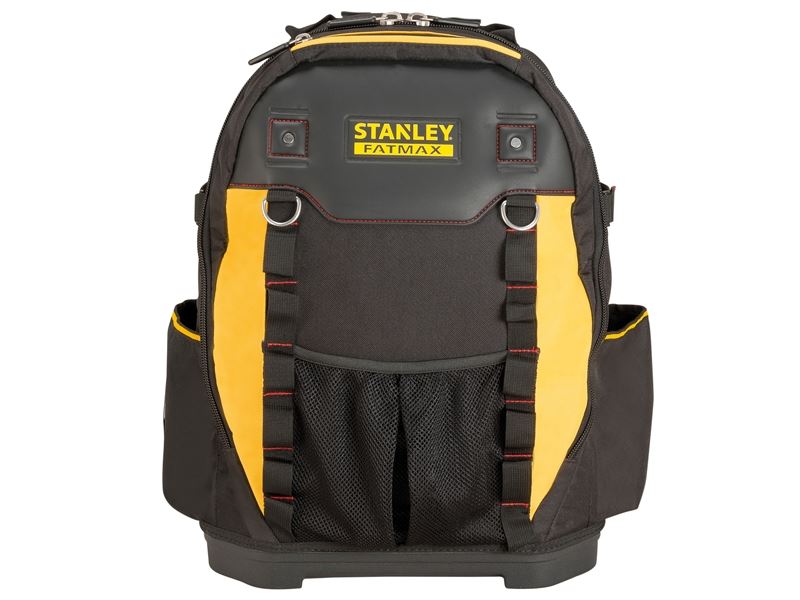
Clean the Zips and Buckles
Zips can gather dirt, which leads to stiffness or clogging. After washing, clean zips with a soft brush, ensuring no soap residue remains. Once dry, you can apply a small amount of zip lubricant or even rub a graphite pencil gently along the teeth to keep them running smoothly. Buckles, clips, and adjusters can be wiped down with a damp cloth.
Deodorise the Backpack
If your backpack has developed an unpleasant smell—common after gym use or wet weather—cleaning alone might not fully eliminate it. Once dry, sprinkle the interior with a small amount of bicarbonate of soda and leave it overnight. Shake it out the next day. You can also place a few dryer sheets inside overnight for a light, fresh scent, though avoid scented products if you’re sensitive to fragrances.
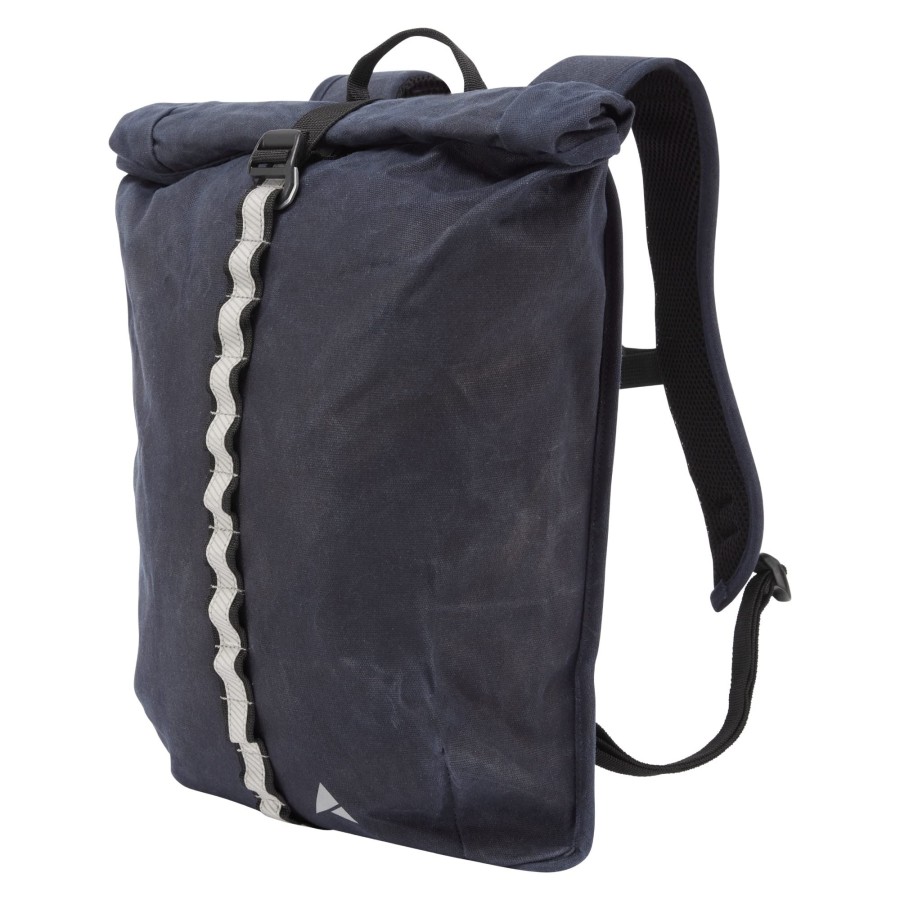
Drying Your Backpack Properly
Drying is just as important as washing. A backpack that remains damp can develop mildew and mould.
- Never tumble-dry a backpack—heat can damage fabrics, coatings, and structural components.
- Instead, air-dry naturally in a warm, ventilated space.
- Leave all zips and pockets open so air can circulate.
- If possible, hang the backpack upside down to help water drain effectively.
- Avoid placing it in direct sunlight for long periods, as this may fade colours or weaken materials.
Depending on fabric thickness, drying may take 24–48 hours, so plan accordingly.
Additional Care Tips to Keep Your Backpack Cleaner for Longer
- Use a waterproof spray on fabric backpacks to help repel dirt and moisture.
- Wipe down regularly with a damp cloth to prevent grime build-up.
- Avoid placing your backpack on dirty floors, especially in public spaces or gyms.
- Use pouches or organisers to protect the interior from leaks or spills.
- Wash your backpack every few months, depending on how often you use it.
Caring for your backpack regularly means less deep cleaning is required and ensures a longer lifespan.
Conclusion
Cleaning your backpack doesn’t need to be complicated. With the right approach and a little care, you can remove dirt, stains, and odours without damaging the fabric or structure. Whether you choose to hand-wash or machine-wash depends on the care label and the materials used, but both methods can leave your backpack looking refreshed and hygienic. By drying it properly and maintaining it regularly, you’ll extend the life of your backpack and keep it in great condition for daily use. A well-cleaned backpack not only looks better but performs better too—ready for all life’s adventures.
- Menu
- Fancy Dress
- Electronics & Gaming
- Clothing
- Pet Products
- Garden
- Tools & DIY
- Home & Leisure
- Gifting & Parties
- Toys
- Information
- About Us
- Become a seller
- Affiliate Programme
- Frequently Asked Questions
- Returns and Refunds
- Terms And Conditions
- Privacy Policy
- View our blog
- Featured
- View more
- Customer Care
- [email protected]
- +44 (0) 1702 617821
- ILFD Group Ltd T/A Cazaar®
- Company Number: 07034824