


- Events
- Australia Day
- Bastille Day
- Burns Night
- Christmas
- Darts
- Day of the Dead
- Eurovision
- Festivals / Summer
- Halloween
- Halloween Accessories
- Nativity
- Oktoberfest
- Olympics
- Pride
- Red Nose Day
- School Play Costumes
- St Andrew's Day
- St Davids Day
- St Georges / England Supporters
- St Patricks Day
- Six Nations Rugby
- Stag Do
- Summer
- Thanksgiving
- VE Day
- World Book Day
- Adult World Book Day Costumes
- 4th July

- Themes
- Animals
- Around The World
- Book Characters
- British
- Chocolate Factory
- Cops & Robbers
- Cosplay
- DC
- Doctors and Nurses
- Fairytale
- Funny / Novelty
- Gangster
- Harry Potter
- Hawaiian / Summer
- Heroes and Villains
- Historical
- Army, Air Force & Naval
- Mexican Fiesta
- Pick Me Up
- Pink Cowgirl Hat Aesthetic
- Pirates
- Popstars and Celebrities
- Pre Historic
- Religious
- Sexy Costumes
- Sports
- Star Wars
- Steampunk
- Suits
- Tiger King
- TV, Film and Game
- Wild West
- Wizard of Oz
- Wizards & Witches
- 2000s
- 1990s
- 1980s
- 1960s 1970s
- 1950s
- 1940s
- 1920s


- Cosmetics
- Body Crayons
- Eye Liner
- Fabric Paint
- Face & Body Paint
- Face Jewels
- Fake Blood
- FX Fluids
- Glitter Fixatives
- Glitter Gel
- Glitter Shaker
- Hair Gel
- Hair Streaks
- Lipgloss
- Lipstick
- Lip Tattoos
- Loose Glitter
- Mascara
- Nail Polish
- Pigment Shakers
- Pro Face Paint Cake Pots
- Scars, Wounds, Prosthetics & FX

- Accessories
- Bandanas & Scarves
- Belts
- Braces
- Capes
- Elf Accessories
- Eye Lashes
- Facial Hair
- Feather Boas
- Glasses
- Gloves
- Guns, Weapons & Swords
- Hats & Headwear
- Hosiery
- Inflatables
- Jewellery
- Masks
- Masquerade Masks
- Pacifiers
- Props
- Sets & Kits
- Shoe Covers
- Shoes / Boots
- Sleeves
- Teeth
- Ties & Bowties
- Tutus & Underskirts
- Wigs
- Wings & Wands
- Other


- Gifts by Category
- Alternative
- Balloon Dog Sculptures
- Batteries
- Colouring Books
- Decorative Accessories
- Food & Drink
- Fragrance
- Gadgets & Tech
- Gift Sets
- Gifts for the Home
- Homeware
- Jewellery
- Keepsakes
- Knitting Wool
- Life
- Luggage & Suitcases
- Miscellaneous
- Ornaments
- Personalised Gifts
- Puzzle Books
- Puzzles
- Slippers
- Smoking
- Stationery
- Umbrellas
- Vehicle
- Wallets & Purses
- Warmies



-
- Australia Day
- Bastille Day
- Burns Night
- Christmas
- Darts
- Day of the Dead
- Eurovision
- Festivals / Summer
- Halloween
- Halloween Accessories
- Nativity
- Oktoberfest
- Olympics
- Pride
- Red Nose Day
- School Play Costumes
- St Andrew's Day
- St Davids Day
- St Georges / England Supporters
- St Patricks Day
- Six Nations Rugby
- Stag Do
- Summer
- Thanksgiving
- VE Day
- World Book Day
- Adult World Book Day Costumes
- 4th July
-
- Animals
- Around The World
- Book Characters
- British
- Chocolate Factory
- Cops & Robbers
- Cosplay
- DC
- Doctors and Nurses
- Fairytale
- Funny / Novelty
- Gangster
- Harry Potter
- Hawaiian / Summer
- Heroes and Villains
- Historical
- Army, Air Force & Naval
- Mexican Fiesta
- Pick Me Up
- Pink Cowgirl Hat Aesthetic
- Pirates
- Popstars and Celebrities
- Pre Historic
- Religious
- Sexy Costumes
- Sports
- Star Wars
- Steampunk
- Suits
- Tiger King
- TV, Film and Game
- Wild West
- Wizard of Oz
- Wizards & Witches
- 2000s
- 1990s
- 1980s
- 1960s 1970s
- 1950s
- 1940s
- 1920s
-
- Bandanas & Scarves
- Belts
- Braces
- Capes
- Elf Accessories
- Eye Lashes
- Facial Hair
- Feather Boas
- Glasses
- Gloves
- Guns, Weapons & Swords
- Hats & Headwear
- Hosiery
- Inflatables
- Jewellery
- Masks
- Masquerade Masks
- Pacifiers
- Props
- Sets & Kits
- Shoe Covers
- Shoes / Boots
- Sleeves
- Teeth
- Ties & Bowties
- Tutus & Underskirts
- Wigs
- Wings & Wands
- Other







-
- Alternative
- Balloon Dog Sculptures
- Batteries
- Colouring Books
- Decorative Accessories
- Food & Drink
- Fragrance
- Gadgets & Tech
- Gift Sets
- Gifts for the Home
- Homeware
- Jewellery
- Keepsakes
- Knitting Wool
- Life
- Luggage & Suitcases
- Miscellaneous
- Ornaments
- Personalised Gifts
- Puzzle Books
- Puzzles
- Slippers
- Smoking
- Stationery
- Umbrellas
- Vehicle
- Wallets & Purses
- Warmies

How to Organise a Bathroom Cabinet
by Darren Butler
Last updated: Nov 21, 2025
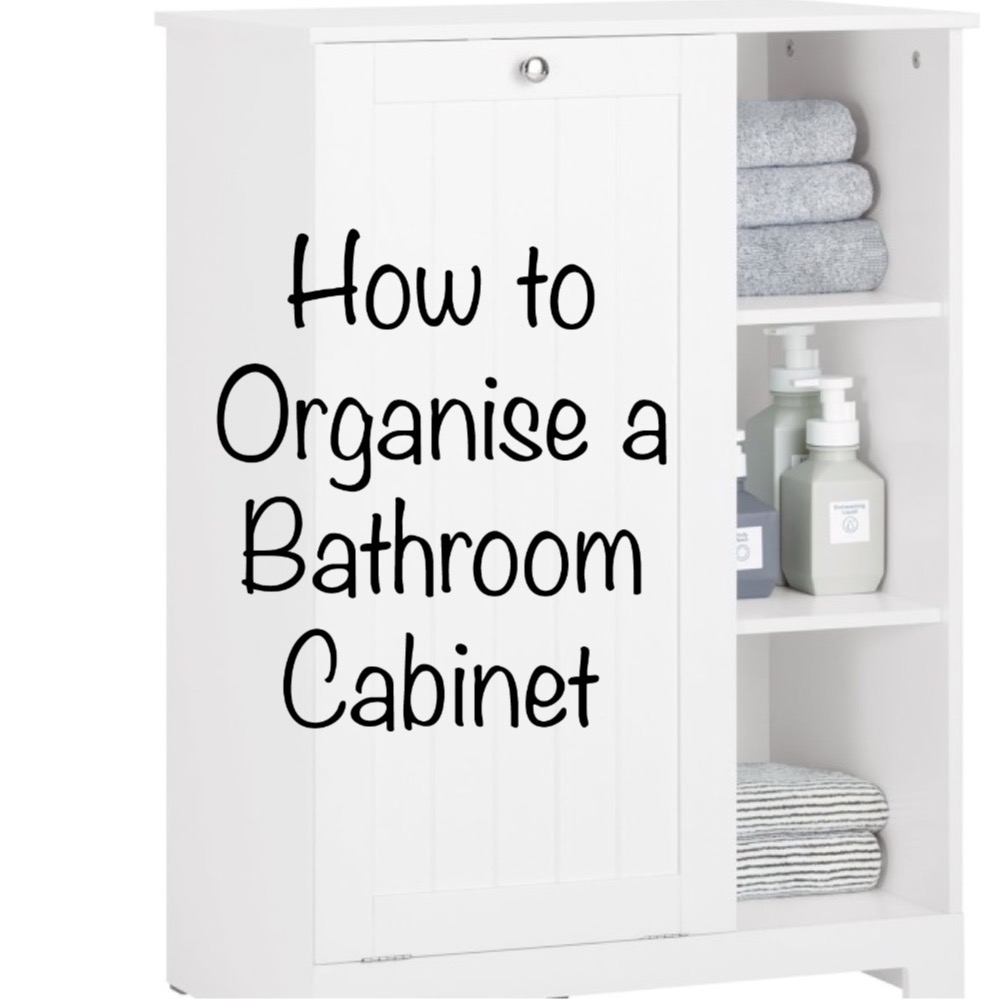
A tidy bathroom cabinet can transform your daily routine, making everything from brushing your teeth to preparing for a night out smoother and more enjoyable. Yet for many of us, this small space becomes a cluttered jumble of expired medicines, half-used products, and items we haven’t seen in months. Organising your bathroom cabinet doesn’t have to be difficult; with a little planning, a thoughtful layout, and a few clever storage tricks, you can make the most of every inch. In this guide, we’ll walk you through practical steps to create a well-organised, easy-to-maintain bathroom cabinet that keeps your essentials close to hand.
Empty and Declutter the Cabinet
Organising a bathroom cabinet is all about balancing practicality with simplicity. The goal isn’t perfection; it’s about creating a system that works for you and your household. Start by emptying the entire cabinet so you can take stock of what you already have. It’s amazing how many forgotten lotions, outdated prescriptions, and empty bottles accumulate over time. Spreading everything out in front of you gives you a clear view of what should stay and what needs to go.
Check Expiry Dates and Clear Out Safely
Begin by checking expiration dates. Medicines, skincare, suncream, and even cosmetics all have a shelf life. Keeping expired products not only clutters your cabinet but can also be unsafe to use. Anything past its date should be disposed of safely—medicines should be returned to a pharmacy rather than thrown in the bin. Products that you no longer use, dislike, or that haven’t been touched in over a year can also be set aside for recycling or disposal. This initial clear-out instantly creates more space and gives you a fresh foundation to work with.
Group Items into Practical Categories
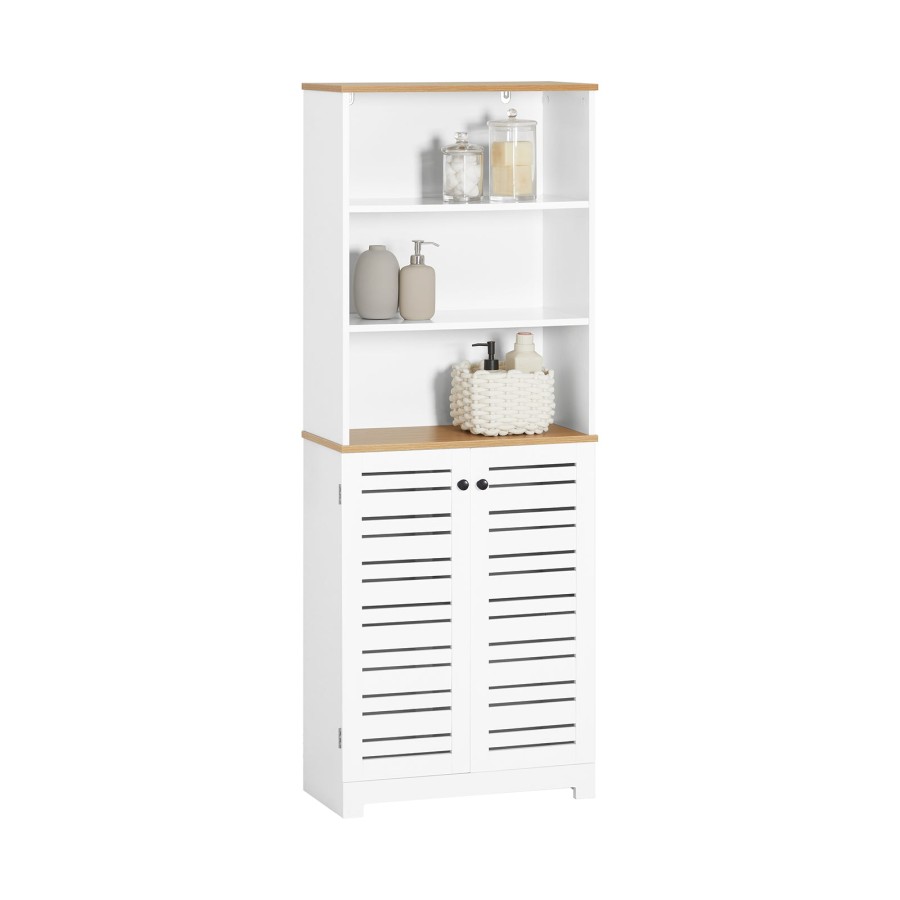
Once you’ve sorted your items, it’s time to think about grouping them. Categories help you find things faster and keep your cabinet consistent over time. Common categories include daily essentials like toothpaste and deodorant, skincare, haircare, first aid, medicines, shaving products, and cleaning supplies. Tailor your categories to your lifestyle—there’s no “one size fits all.” For example, if you’re someone who enjoys a detailed skincare routine, you may need a whole shelf dedicated to serums, cleansers, and moisturisers. If you share the bathroom with family members, consider assigning each person a designated section or container to avoid cross-contamination of personal items.
Choose the Right Storage Solutions
Storage tools can make a huge difference in keeping these categories neat. Clear containers, baskets, drawer dividers, and small organisers can all help maximise space. Clear acrylic boxes are especially helpful because you can easily see what's inside without rummaging. Stackable containers are great for tall cabinets, while tiered shelves can bring smaller items to eye level. Lazy Susans work brilliantly for deep shelves, allowing you to spin items forward rather than digging through the back. For tiny items such as cotton buds, hair ties, or plasters, opt for mini jars or divided trays.
Arrange by How Often You Use Things
When arranging your cabinet, think about accessibility. Items used daily should sit front and centre, such as toothpaste, deodorant, contact lens solution, and your most-used skincare products. If your cabinet has multiple shelves, reserve the easiest-to-reach shelf for everyday essentials. Less frequently used items, like deep-treatment masks, spare toiletries, or travel products, can be stored higher up or towards the back. Medicines should be placed on a secure middle or top shelf, ideally in a labelled container with child safety in mind.
Make Use of Vertical and Door Space
Vertical space is often overlooked, but it can be incredibly valuable. Consider installing extra shelves or adding shelf risers to double your storage. Adhesive hooks or magnetic strips mounted inside the door can hold nail scissors, tweezers, razors, or small grooming tools. Another clever trick is using adhesive pods or small cups attached to the inside of the cabinet door—ideal for holding toothbrushes, makeup brushes, or small tubes of product.
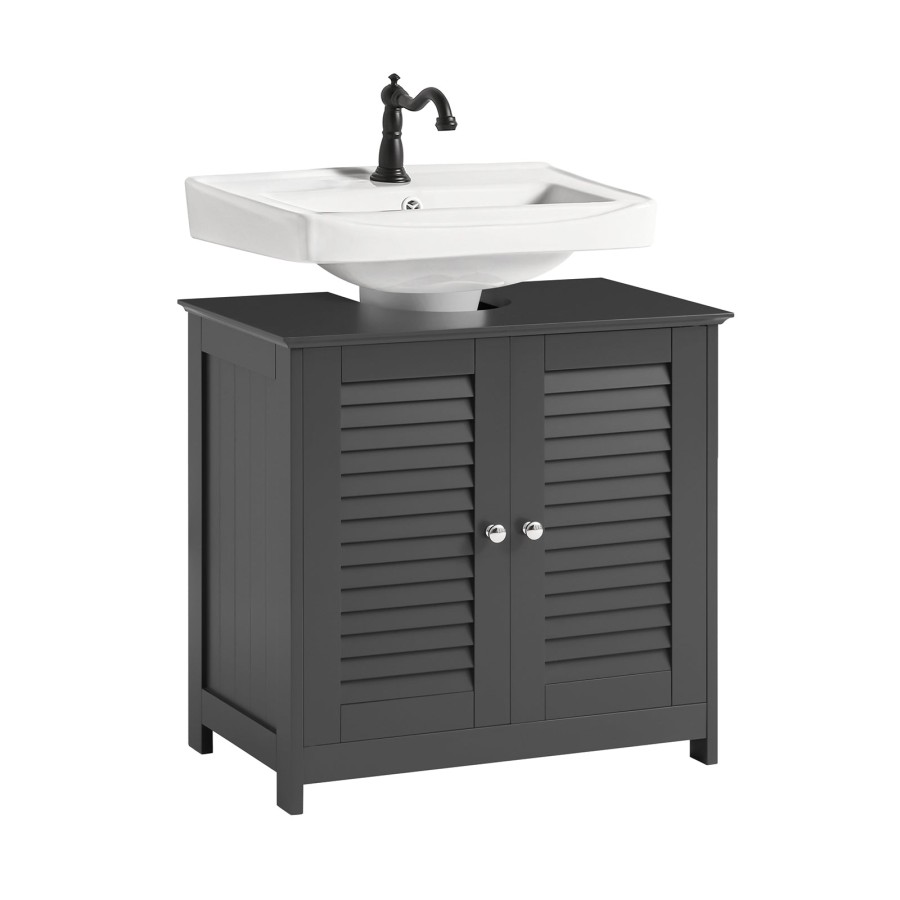
Keep an eye on your product sizes when organising. Bulky bottles such as shampoo, conditioner, or body lotion often fit better in open bottom sections or the bathroom itself, leaving the cabinet free for smaller everyday items. If you find that large items are taking up too much precious shelf space, consider storing them in a drawer unit under the sink instead.
Label for Clarity (Especially with Shared Bathrooms)
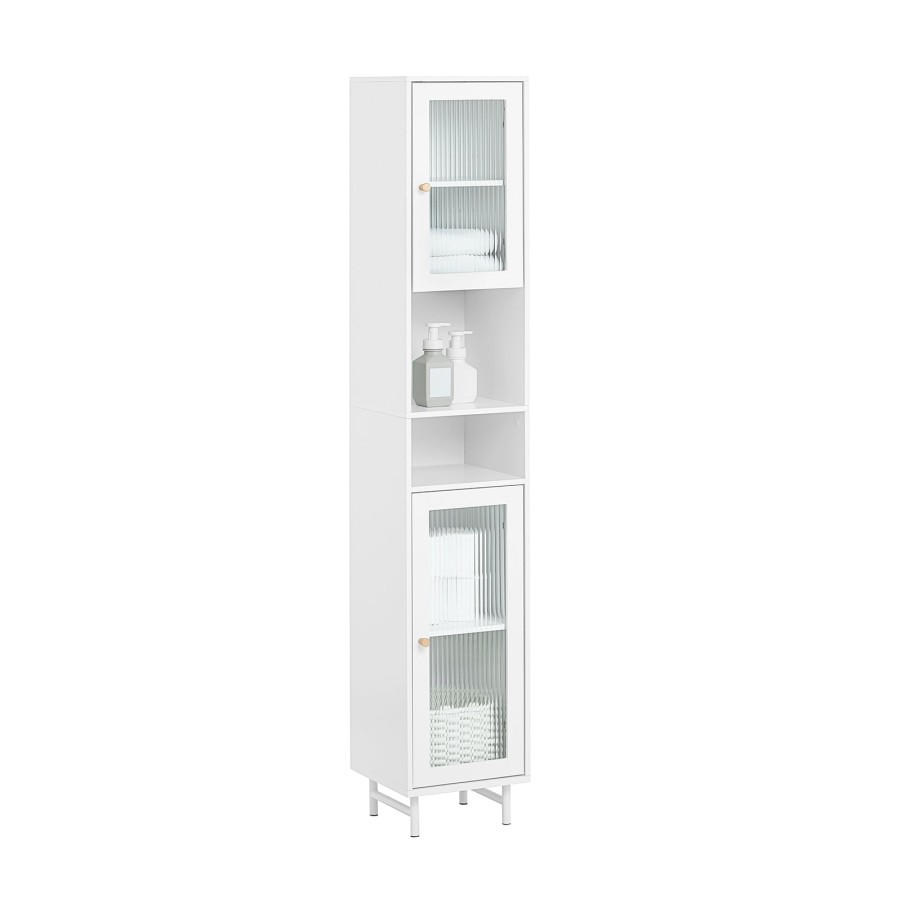
Labelling can be extremely helpful, especially if more than one person uses the bathroom. You don’t need to label every item—just containers or categories. Simple printed labels or chalk-style stickers can keep everything visually cohesive while making it easier for everyone to maintain the system. A labelled first-aid box or medicine tub, for example, saves valuable time during emergencies.
Manage Moisture and Protect Your Products
Another important factor is moisture control. Bathrooms can be humid environments, and the inside of cabinets isn't immune. Try not to store items that are overly sensitive to moisture, such as some paper-based first aid products, in the dampest areas. Silica gel packets can help absorb excess moisture and protect contents. Ensuring that the cabinet is well ventilated—by opening doors occasionally—can also improve longevity of certain items.
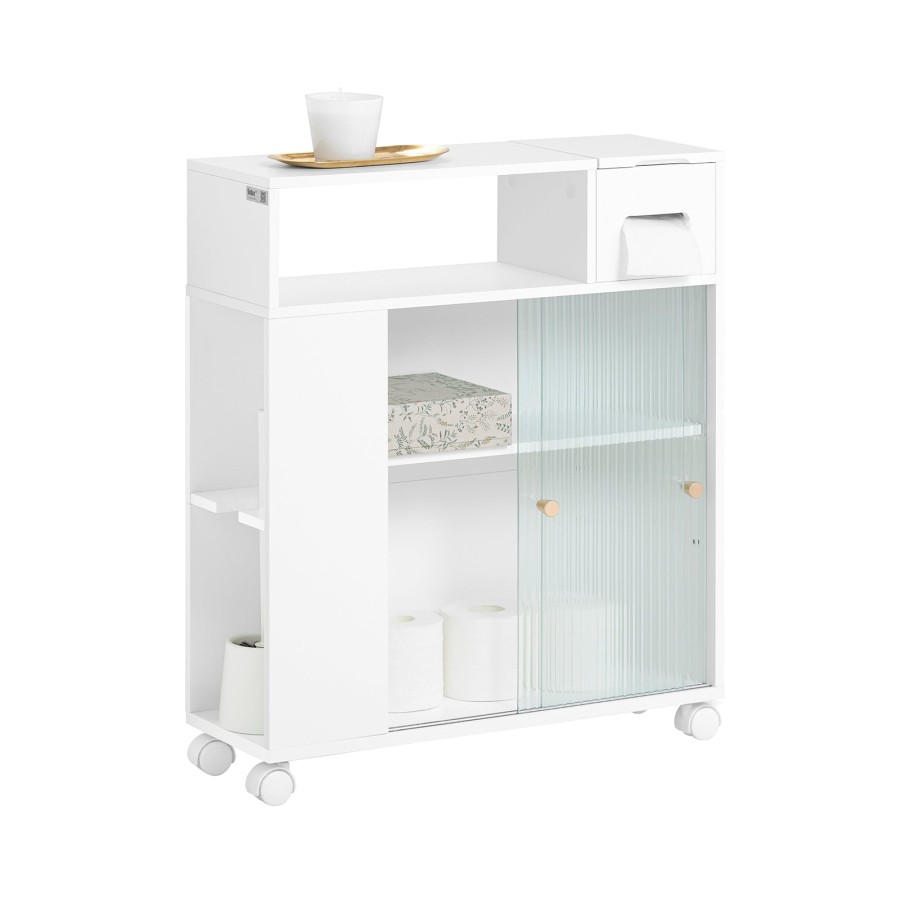
Review, Tweak and Maintain Regularly
Once everything has been arranged, step back and assess the overall layout. Does it feel logical? Can you find everything quickly? Are the items you use most in easy reach? Make adjustments until the arrangement feels intuitive. An organised bathroom cabinet should make your daily routine simpler, not create extra work searching for things.
Maintenance is key to keeping your cabinet under control long-term. A quick monthly check prevents clutter from building back up. Use this time to remove empty bottles, wipe down surfaces, and assess which products are running low. Every six months, do a slightly deeper clean by reviewing expiration dates again and refreshing containers or shelf liners if needed. This small habit ensures your cabinet stays functional without drifting back into chaos.
For future shopping habits, try to be more intentional with what you buy. It’s easy to overstock toiletries or purchase multiple similar products. Keeping a running list or using up one item before opening another can prevent overcrowding. If you love trying new products, consider a small ‘trial box’ where new items live until you decide if they deserve a permanent place in your cabinet.
By approaching your bathroom cabinet with a methodical mindset and a few clever tools, you can turn this often chaotic space into an organised, reliable part of your home. Once set up properly, it will support your daily routine and save you valuable time every morning.
Conclusion
Organising a bathroom cabinet may seem like a small task, but it can have a surprisingly big impact on your daily routine. By decluttering, categorising, and using smart storage solutions, you create a space that works efficiently and looks tidy every day. The key is to keep your system simple and easy to maintain, ensuring that your cabinet remains clutter-free in the long term. With just a little planning and regular upkeep, your bathroom cabinet can become one of the most organised and functional spaces in your home.
- Menu
- Fancy Dress
- Electronics & Gaming
- Clothing
- Pet Products
- Garden
- Tools & DIY
- Home & Leisure
- Gifting & Parties
- Toys
- Information
- About Us
- Become a seller
- Affiliate Programme
- Frequently Asked Questions
- Returns and Refunds
- Terms And Conditions
- Privacy Policy
- View our blog
- Featured
- View more
- Customer Care
- [email protected]
- +44 (0) 1702 617821
- ILFD Group Ltd T/A Cazaar®
- Company Number: 07034824