


- Events
- Australia Day
- Bastille Day
- Burns Night
- Christmas
- Darts
- Day of the Dead
- Eurovision
- Festivals / Summer
- Halloween
- Halloween Accessories
- Nativity
- Oktoberfest
- Olympics
- Pride
- Red Nose Day
- School Play Costumes
- St Andrew's Day
- St Davids Day
- St Georges / England Supporters
- St Patricks Day
- Six Nations Rugby
- Stag Do
- Summer
- Thanksgiving
- VE Day
- World Book Day
- Adult World Book Day Costumes
- 4th July

- Themes
- Animals
- Around The World
- Book Characters
- British
- Chocolate Factory
- Cops & Robbers
- Cosplay
- DC
- Doctors and Nurses
- Fairytale
- Funny / Novelty
- Gangster
- Harry Potter
- Hawaiian / Summer
- Heroes and Villains
- Historical
- Army, Air Force & Naval
- Mexican Fiesta
- Pick Me Up
- Pink Cowgirl Hat Aesthetic
- Pirates
- Popstars and Celebrities
- Pre Historic
- Religious
- Sexy Costumes
- Sports
- Star Wars
- Steampunk
- Suits
- Tiger King
- TV, Film and Game
- Wild West
- Wizard of Oz
- Wizards & Witches
- 2000s
- 1990s
- 1980s
- 1960s 1970s
- 1950s
- 1940s
- 1920s


- Cosmetics
- Body Crayons
- Eye Liner
- Fabric Paint
- Face & Body Paint
- Face Jewels
- Fake Blood
- FX Fluids
- Glitter Fixatives
- Glitter Gel
- Glitter Shaker
- Hair Gel
- Hair Streaks
- Lipgloss
- Lipstick
- Lip Tattoos
- Loose Glitter
- Mascara
- Nail Polish
- Pigment Shakers
- Pro Face Paint Cake Pots
- Scars, Wounds, Prosthetics & FX

- Accessories
- Bandanas & Scarves
- Belts
- Braces
- Capes
- Elf Accessories
- Eye Lashes
- Facial Hair
- Feather Boas
- Glasses
- Gloves
- Guns, Weapons & Swords
- Hats & Headwear
- Hosiery
- Inflatables
- Jewellery
- Masks
- Masquerade Masks
- Pacifiers
- Props
- Sets & Kits
- Shoe Covers
- Shoes / Boots
- Sleeves
- Teeth
- Ties & Bowties
- Tutus & Underskirts
- Wigs
- Wings & Wands
- Other


- Gifts by Category
- Alternative
- Balloon Dog Sculptures
- Batteries
- Colouring Books
- Decorative Accessories
- Food & Drink
- Fragrance
- Gadgets & Tech
- Gift Sets
- Gifts for the Home
- Homeware
- Jewellery
- Keepsakes
- Knitting Wool
- Life
- Luggage & Suitcases
- Miscellaneous
- Ornaments
- Personalised Gifts
- Puzzle Books
- Puzzles
- Slippers
- Smoking
- Stationery
- Umbrellas
- Vehicle
- Wallets & Purses
- Warmies



-
- Australia Day
- Bastille Day
- Burns Night
- Christmas
- Darts
- Day of the Dead
- Eurovision
- Festivals / Summer
- Halloween
- Halloween Accessories
- Nativity
- Oktoberfest
- Olympics
- Pride
- Red Nose Day
- School Play Costumes
- St Andrew's Day
- St Davids Day
- St Georges / England Supporters
- St Patricks Day
- Six Nations Rugby
- Stag Do
- Summer
- Thanksgiving
- VE Day
- World Book Day
- Adult World Book Day Costumes
- 4th July
-
- Animals
- Around The World
- Book Characters
- British
- Chocolate Factory
- Cops & Robbers
- Cosplay
- DC
- Doctors and Nurses
- Fairytale
- Funny / Novelty
- Gangster
- Harry Potter
- Hawaiian / Summer
- Heroes and Villains
- Historical
- Army, Air Force & Naval
- Mexican Fiesta
- Pick Me Up
- Pink Cowgirl Hat Aesthetic
- Pirates
- Popstars and Celebrities
- Pre Historic
- Religious
- Sexy Costumes
- Sports
- Star Wars
- Steampunk
- Suits
- Tiger King
- TV, Film and Game
- Wild West
- Wizard of Oz
- Wizards & Witches
- 2000s
- 1990s
- 1980s
- 1960s 1970s
- 1950s
- 1940s
- 1920s
-
- Bandanas & Scarves
- Belts
- Braces
- Capes
- Elf Accessories
- Eye Lashes
- Facial Hair
- Feather Boas
- Glasses
- Gloves
- Guns, Weapons & Swords
- Hats & Headwear
- Hosiery
- Inflatables
- Jewellery
- Masks
- Masquerade Masks
- Pacifiers
- Props
- Sets & Kits
- Shoe Covers
- Shoes / Boots
- Sleeves
- Teeth
- Ties & Bowties
- Tutus & Underskirts
- Wigs
- Wings & Wands
- Other







-
- Alternative
- Balloon Dog Sculptures
- Batteries
- Colouring Books
- Decorative Accessories
- Food & Drink
- Fragrance
- Gadgets & Tech
- Gift Sets
- Gifts for the Home
- Homeware
- Jewellery
- Keepsakes
- Knitting Wool
- Life
- Luggage & Suitcases
- Miscellaneous
- Ornaments
- Personalised Gifts
- Puzzle Books
- Puzzles
- Slippers
- Smoking
- Stationery
- Umbrellas
- Vehicle
- Wallets & Purses
- Warmies

How Often Should You Change Your Bedding?
by Darren Butler
Last updated: Dec 15, 2025

Changing your bedding is one of those housekeeping tasks that can be surprisingly easy to overlook. With busy schedules and competing priorities, it’s tempting to leave clean sheets until “tomorrow” – but good bedding hygiene plays a huge role in sleep quality, comfort, and overall health. From dust mites and sweat to allergens and everyday bacteria, your bed collects much more than you might realise. So how often should you wash or replace each item, and what factors influence the ideal schedule? In this blog, we break down the science, expert recommendations, and simple habits to help keep your bed fresh, clean, and truly restful.
The question of how often to change bedding doesn’t have a one-size-fits-all answer, but most sleep and hygiene experts offer broad guidelines that work for the majority of households. The key is understanding what actually happens in our beds and why frequent washing matters. Over time, bedding accumulates skin cells, body oils, sweat, hair, dust, and tiny organisms such as dust mites. These mites thrive on dead skin, and although they’re harmless in small numbers, they can trigger allergies, worsen asthma, and affect overall sleep comfort. Regular washing helps keep these issues under control.
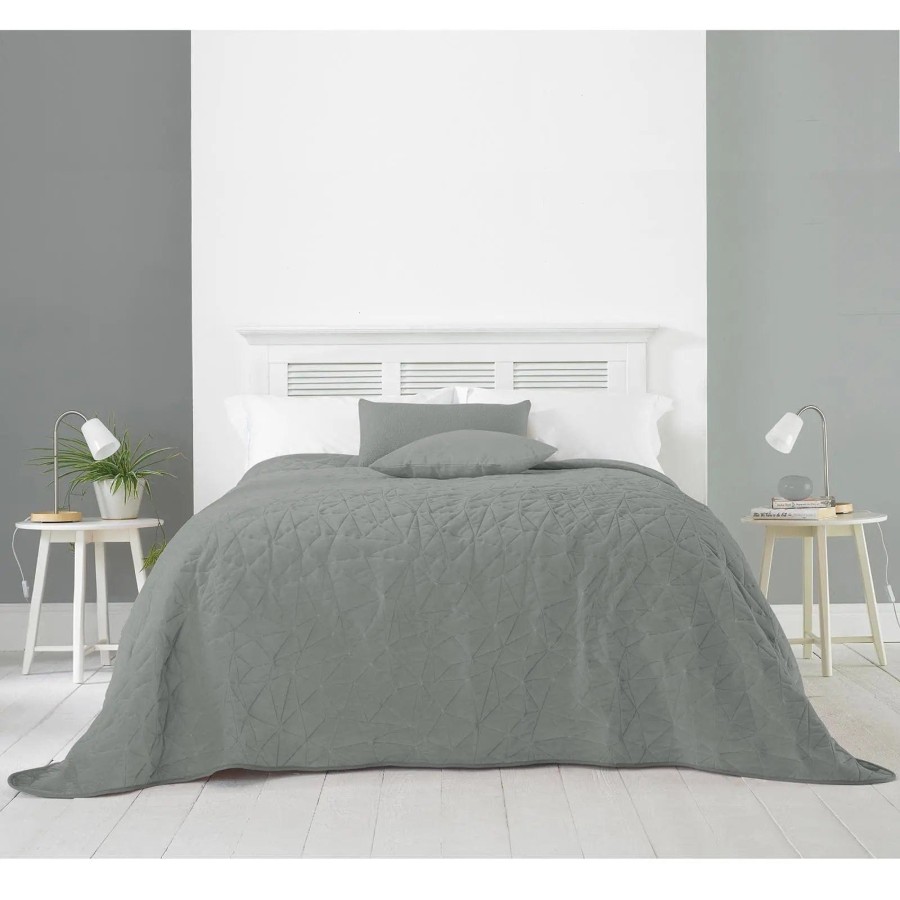
Weekly washing for sheets and pillowcases
For most people, washing sheets and pillowcases once every week is the gold standard. These are the items that sit in direct contact with your body, so they collect the bulk of sweat, oils, and bacteria. Pillowcases in particular can affect both skin and hair health; infrequent washing may contribute to breakouts or greasy hair. If you’re someone who sweats a lot at night, sleeps without pyjamas, or shares your bed with pets, increasing this routine to twice a week can be beneficial. Likewise, during warmer months, many people find that washing their bedding more frequently keeps the sleeping environment fresher and more comfortable.
Duvet covers and protectors
Duvet covers don’t touch the skin as directly as sheets, but they still gather dust and sweat. Washing them every two weeks is usually sufficient, although washing them weekly alongside your sheets is ideal if you have allergies, sleep hot, or allow pets on the bed. Mattress and pillow protectors should be washed roughly every one to two months. These barriers play an essential role in preventing sweat and dust mites from penetrating deeper into your bedding, so keeping them clean ensures they remain effective.

Duvets and pillows
Many people overlook duvets and pillows simply because they’re less convenient to wash. However, they still absorb moisture and accumulate allergens over time. Most pillows should be washed every three to six months, depending on their filling. Synthetic pillows are typically machine washable, while feather or down pillows may require professional cleaning or gentle washing with specific detergents. Duvets should be washed every six to twelve months. If you use a duvet protector, you may be able to extend this slightly, but annual cleaning is still advisable. Regularly airing pillows and duvets outdoors helps to reduce odours and refresh the filling.
Factors that change how often you should wash bedding
Although guidelines are helpful, several personal and household factors can influence how often bedding needs to be washed.
- Allergies and asthma:
If you suffer from allergies, you may want to wash your bedding more frequently – even twice a week for sheets and pillowcases. Dust mites are a common trigger, and regular hot washes (60°C or above where your bedding allows) can significantly reduce symptoms. - Pets in the bed:
Sharing your bed with pets introduces fur, dander, dirt, and bacteria. In this case, washing bedding weekly is essential, and duvet covers may benefit from more frequent laundering. - Night sweating:
People who sweat heavily at night – whether due to exercise, warm weather, or health factors – should wash sheets and pillowcases more often. Moisture can lead to bacteria growth and lingering odours. - Illness:
During or after any contagious illness, such as flu or a cold, bedding should be washed more often to help prevent reinfection and reduce the spread of germs within your home. - Children’s bedding:
Kids’ bedding often needs washing more regularly due to spills, bedwetting, or general mess. Many parents find that a weekly wash is the minimum.

Spot cleaning and airing out
Keeping your bed fresh isn’t only about full washes. Spot cleaning small stains as soon as they appear helps to prevent long-term discolouration. Allowing bedding to air out each morning – simply pulling the duvet back for 20–30 minutes – helps moisture evaporate and can reduce the growth of bacteria and dust mites. Shaking out pillows and duvets also helps redistribute filling and keep everything feeling plump and comfortable.
Choosing the right washing routine
The best washing routine is one that you can realistically stick to. If weekly washing feels overwhelming, try building it into an existing routine. For example, tackle bedding on the same day you do your weekly shop or cleaning. Owning spare sets of sheets and duvet covers makes the process much easier and reduces the pressure of same-day drying, especially in winter. Choosing breathable materials like cotton or linen can also help reduce sweating and make bedding feel fresher for longer.
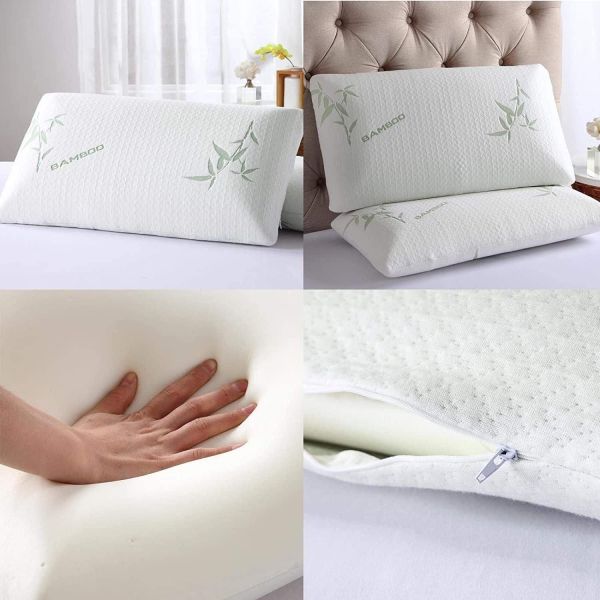
How often should bedding be replaced?
Even with regular washing, bedding doesn’t last forever. Pillows typically need replacing every one to two years, depending on their quality. A good way to test this is the fold test – fold the pillow in half; if it doesn’t spring back, it’s time for a new one. Duvets last slightly longer, usually around five years, although higher-quality down duvets may last up to ten. Sheets and duvet covers can last several years, but once they become thin, bobbled, or faded, replacing them helps maintain comfort and hygiene.
Why it matters
Fresh bedding isn’t just about cleanliness – it also affects your wellbeing. Clean sheets feel more comfortable, smell fresher, and can improve the quality of your sleep. Regular washing helps control allergies, protects your mattress and pillows, and creates a more inviting sleeping environment. In short, a small weekly habit can make a noticeable difference to your overall comfort and health.
Conclusion
Changing your bedding regularly is one of the simplest ways to improve both hygiene and sleep quality. While washing sheets and pillowcases weekly works for most people, factors such as allergies, pets, or hot weather may mean you need to wash them more often. Duvets, pillows, and protectors also require consistent care, even if less frequently. By understanding what each item needs and adopting a routine you can maintain, you’ll create a cleaner, healthier, and more restful sleeping space. Fresh bedding isn’t just a chore – it’s an investment in your wellbeing, comfort, and overall quality of life.
- Menu
- Fancy Dress
- Electronics & Gaming
- Clothing
- Pet Products
- Garden
- Tools & DIY
- Home & Leisure
- Gifting & Parties
- Toys
- Information
- About Us
- Become a seller
- Affiliate Programme
- Frequently Asked Questions
- Returns and Refunds
- Terms And Conditions
- Privacy Policy
- View our blog
- Featured
- View more
- Customer Care
- [email protected]
- +44 (0) 1702 617821
- ILFD Group Ltd T/A Cazaar®
- Company Number: 07034824