Why Was the Keyboard Instrument Invented?
Darren Butler
24 July 2026 (updated 27 July 2026)
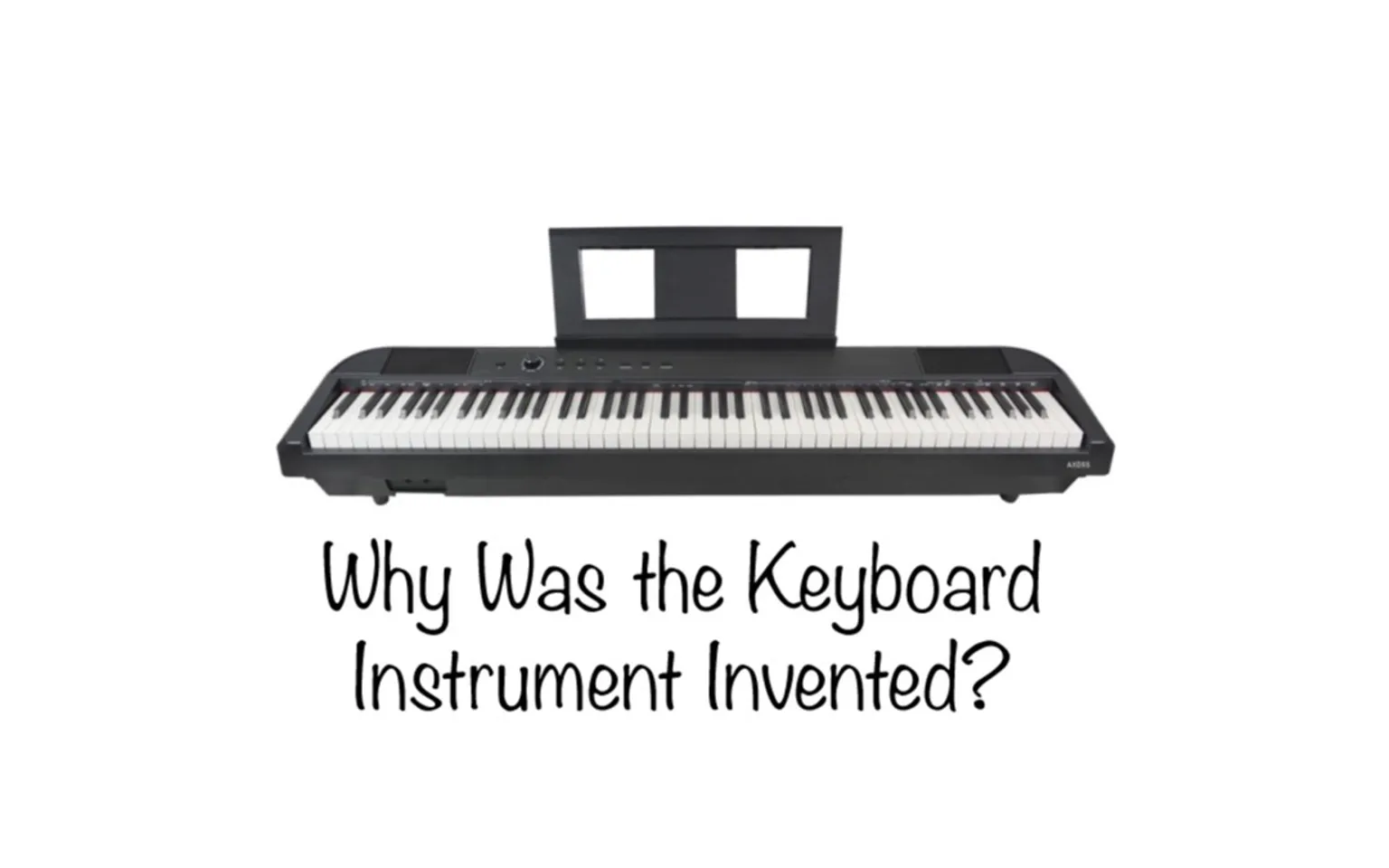
The keyboard instrument has played a remarkable role in the development of music for centuries. From the earliest pipe organs to modern digital pianos, keyboard instruments have shaped how composers create, performers express themselves, and audiences experience music. But why was the keyboard instrument invented in the first place? The answer lies in humanity's desire to produce more complex, expressive, and reliable musical sounds than earlier instruments could offer. The invention of keyboard instruments was driven by practical needs, technological innovation, and artistic ambition, leading to one of the most influential families of instruments in musical history.
The Origins of Keyboard Instruments
The origins of keyboard instruments can be traced back over two thousand years, with the earliest examples evolving from the pipe organ. Ancient civilisations sought ways to produce sustained musical notes that could accompany ceremonies, religious events, and public celebrations. The invention of a keyboard mechanism allowed musicians to control multiple notes efficiently, making performances more consistent and versatile than relying solely on wind or string instruments.
One of the primary reasons for inventing keyboard instruments was to make playing multiple notes at the same time easier. Unlike instruments such as flutes or trumpets, which generally produce one note at a time, keyboard instruments allowed musicians to perform harmonies and chords with relative ease. This capability transformed music by encouraging more sophisticated compositions and richer musical textures.
The earliest keyboard instrument, the organ, became particularly important in places of worship. Large congregations required music that could fill expansive buildings, and the organ's powerful sound made it ideal for religious ceremonies. The keyboard enabled a single musician to control numerous pipes simultaneously, producing a wide range of pitches and dynamics. This innovation greatly increased the musical possibilities available to performers.
The Evolution from Organ to Piano
As musical styles developed throughout the Middle Ages and Renaissance, composers demanded instruments capable of greater precision and flexibility. This led to the invention of smaller keyboard instruments, including the clavichord and the harpsichord. These instruments were designed for homes, royal courts, and smaller performance spaces, offering musicians opportunities to practise and perform outside churches.
The clavichord was valued for its expressive qualities. Although relatively quiet, it allowed players to control subtle changes in volume and even create gentle vibrato through finger pressure. This made it particularly suitable for private practice and intimate performances. Musicians appreciated its responsiveness, helping them develop technical skill and musical expression.
The harpsichord addressed a different need. Instead of striking strings, it plucked them using small plectra activated by pressing keys. This produced a brighter and louder sound than the clavichord, making it more appropriate for public performances and ensemble playing. During the Baroque period, the harpsichord became one of Europe's most important instruments, featuring prominently in the works of composers such as Johann Sebastian Bach, George Frideric Handel, and Domenico Scarlatti.
Despite its popularity, the harpsichord had limitations. Because its strings were plucked, players had little control over volume through touch alone. Musicians increasingly desired an instrument capable of responding dynamically to their playing. This demand inspired one of the most significant inventions in music history: the piano.
Invented by Bartolomeo Cristofori in the early eighteenth century, the piano used hammers to strike strings rather than pluck them. This simple yet revolutionary mechanism enabled performers to play both softly and loudly depending on how forcefully they pressed the keys. In fact, the piano's original name, gravicembalo col piano e forte, literally referred to its ability to play both quiet and loud sounds.
Why Keyboard Instruments Changed Music
The invention of the piano represented a turning point in musical expression. Composers could now write pieces featuring dramatic contrasts in dynamics, allowing music to become more emotional and nuanced. The instrument quickly gained popularity among professional musicians and wealthy households, eventually becoming a central feature of homes, concert halls, and music education.
Another reason keyboard instruments were invented and continually improved was their educational value. The linear arrangement of keys provides a clear visual representation of musical notes, scales, and intervals. This makes keyboard instruments excellent tools for learning music theory, harmony, and composition. Even today, many students begin their musical education at the piano because it offers a straightforward understanding of how music is organised.
Keyboard instruments also became essential for composers. Rather than imagining every note mentally, composers could experiment with melodies, harmonies, and chord progressions directly at the keyboard. Many of history's greatest composers relied heavily on keyboard instruments while creating their masterpieces. The instrument functioned not only as a performance tool but also as a practical workshop for musical ideas.
The Lasting Legacy of Keyboard Instruments
Technological progress continued throughout the nineteenth and twentieth centuries. Improvements in manufacturing, materials, and engineering resulted in stronger frames, more durable strings, and enhanced keyboard actions. These innovations increased reliability, expanded the instrument's range, and allowed performers greater technical freedom.
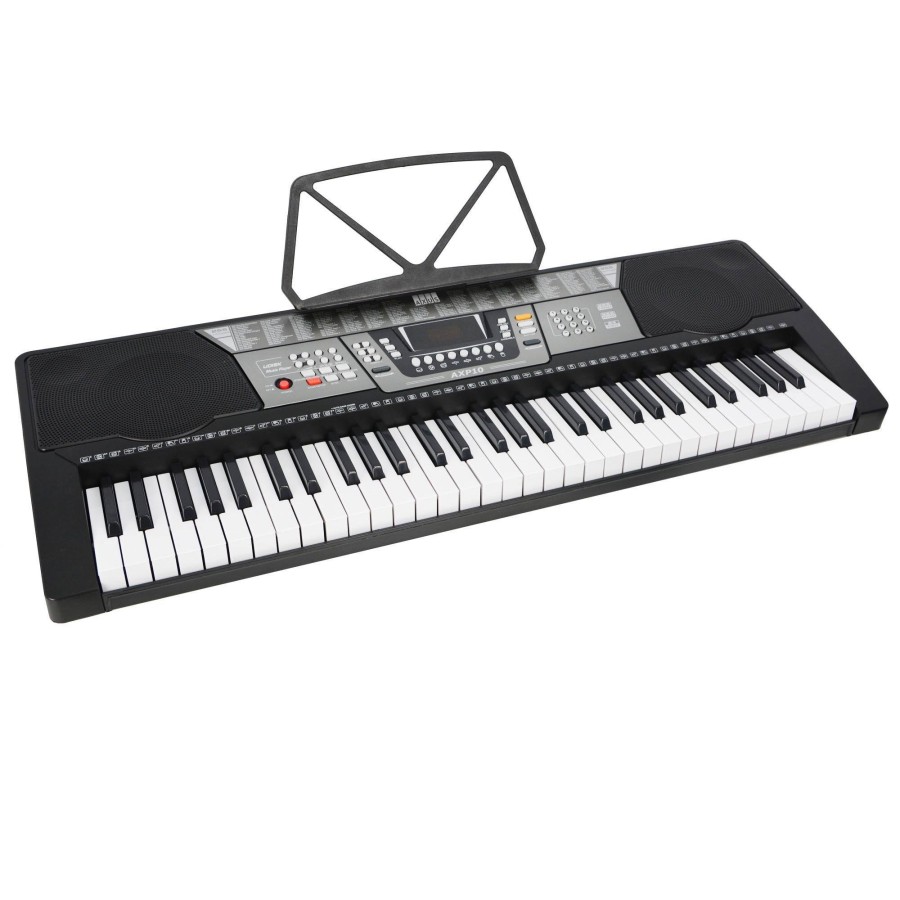
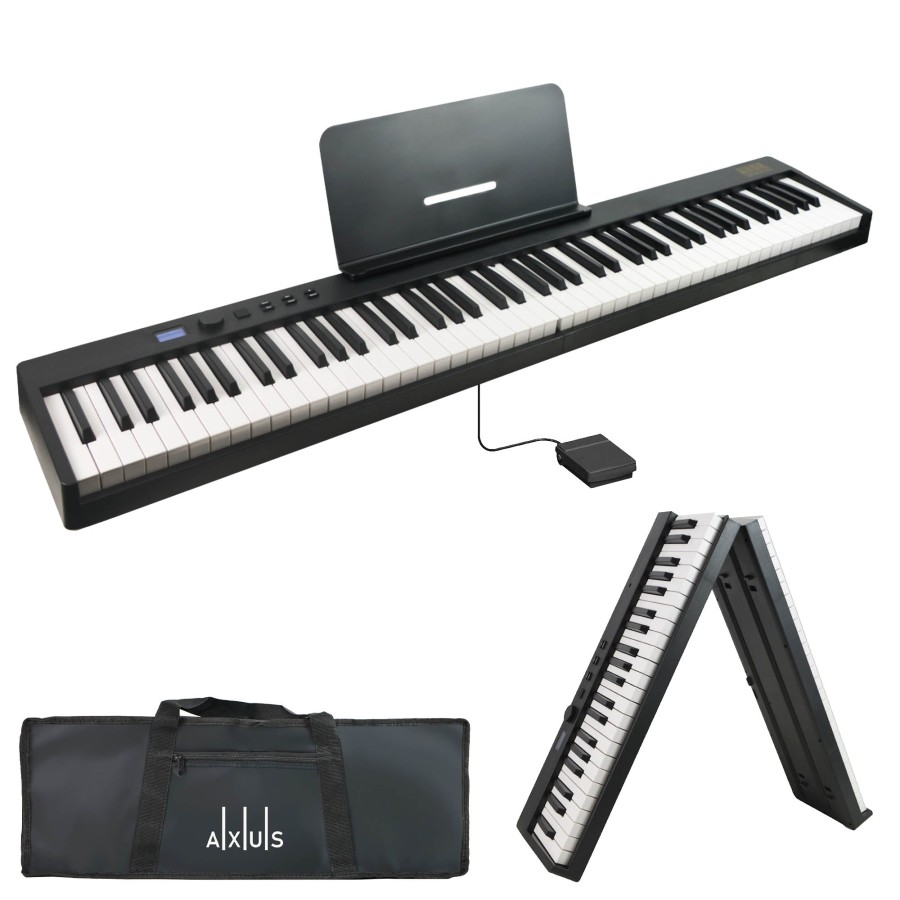
The twentieth century introduced electronic organs, synthesisers, and digital pianos, broadening the role of keyboard instruments even further. Electronic technology enabled musicians to reproduce the sounds of countless instruments using a familiar keyboard layout. This versatility made keyboards indispensable in popular music, film scoring, television production, and live performance across virtually every musical genre.
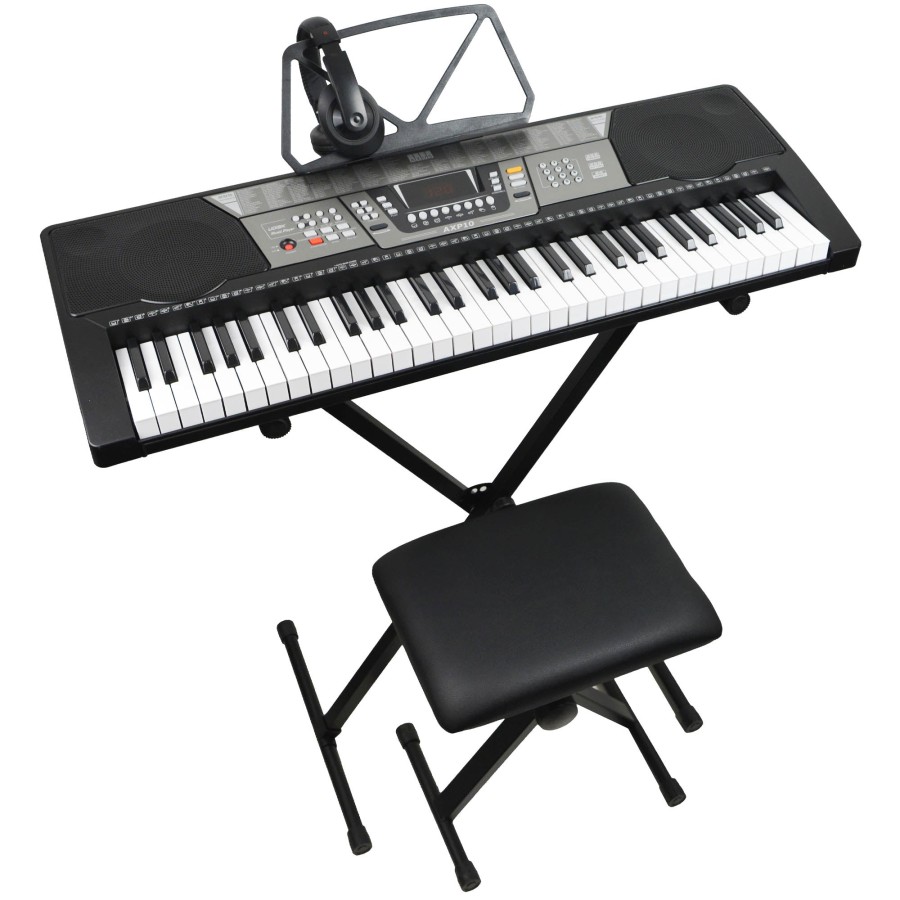
Today, keyboard instruments remain among the most versatile and widely used musical tools in the world. They serve classical concert pianists, jazz improvisers, church musicians, composers, producers, and beginners alike. Modern digital keyboards incorporate advanced features such as recording capabilities, accompaniment styles, connectivity with computers, and realistic sampled sounds, reflecting centuries of continuous innovation.
Ultimately, keyboard instruments were invented because people sought more efficient, expressive, and adaptable ways to create music. Their development reflects changing musical tastes, technological progress, and the enduring human desire to communicate emotion through sound. From ancient organs powered by air to sophisticated digital workstations, the keyboard has continually evolved to meet the needs of musicians while retaining the same fundamental principle: pressing a key to produce a musical note.
Conclusion
The invention of keyboard instruments was driven by a combination of necessity, creativity, and technological advancement. Early musicians needed an instrument capable of producing multiple notes, accompanying large gatherings, and supporting increasingly complex compositions. Over time, innovations such as the clavichord, harpsichord, piano, and modern electronic keyboards expanded musical possibilities beyond anything previously imagined. Today, keyboard instruments remain central to music education, performance, composition, and production across countless genres. Their enduring popularity demonstrates the brilliance of their original concept and the remarkable way they have adapted to meet the changing demands of musicians throughout history.
Find something for the occasion
Search thousands of products from independent sellers, or start with a category.