
What to Put on a Coffee Table
Darren Butler
20 February 2026

A coffee table is often the centrepiece of a living room. It sits within easy reach, draws the eye, and plays both a practical and decorative role. Yet many people either leave it completely bare or overload it with clutter. Knowing what to put on a coffee table can transform your space, making it feel styled, welcoming and thoughtfully arranged. Whether your home is modern, rustic or traditional, the right combination of items can elevate the entire room. In this guide, we explore stylish and functional ideas to help you create a balanced, beautiful coffee table display.
Start with a Focal Point
Every well-styled coffee table benefits from a clear focal point. This is the item that immediately catches attention and anchors the rest of the display. It could be a statement vase, a sculptural ornament, or a striking bowl.
If you prefer a natural look, a ceramic vase filled with seasonal flowers works beautifully. In spring and summer, fresh blooms add colour and life. In autumn, dried grasses or foliage create warmth and texture. During winter, evergreen branches or subtle fairy lights can provide a cosy feel.
For a more contemporary space, consider a bold decorative object. A unique sculpture, an artful knot ornament, or a handcrafted piece can give personality to the room without overwhelming it. The key is choosing something that complements your existing décor rather than competes with it.
Add Coffee Table Books
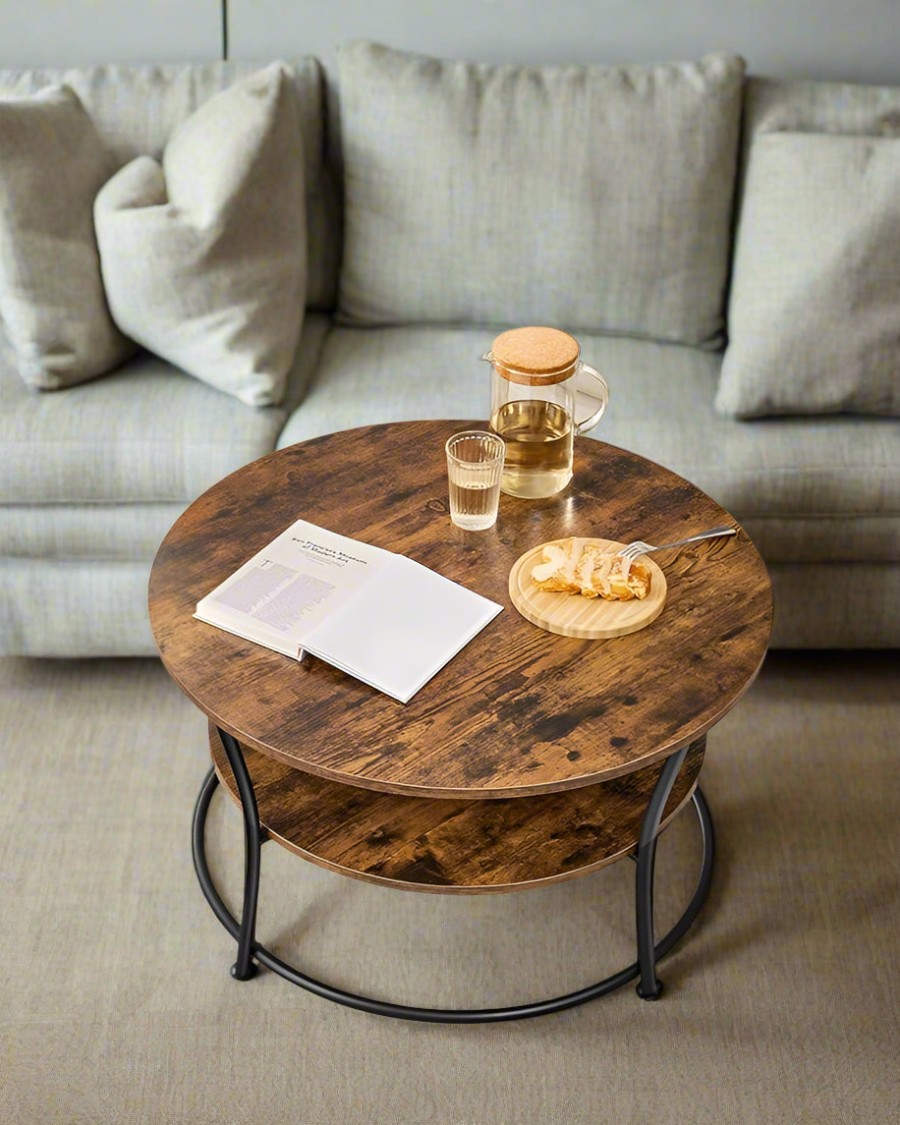
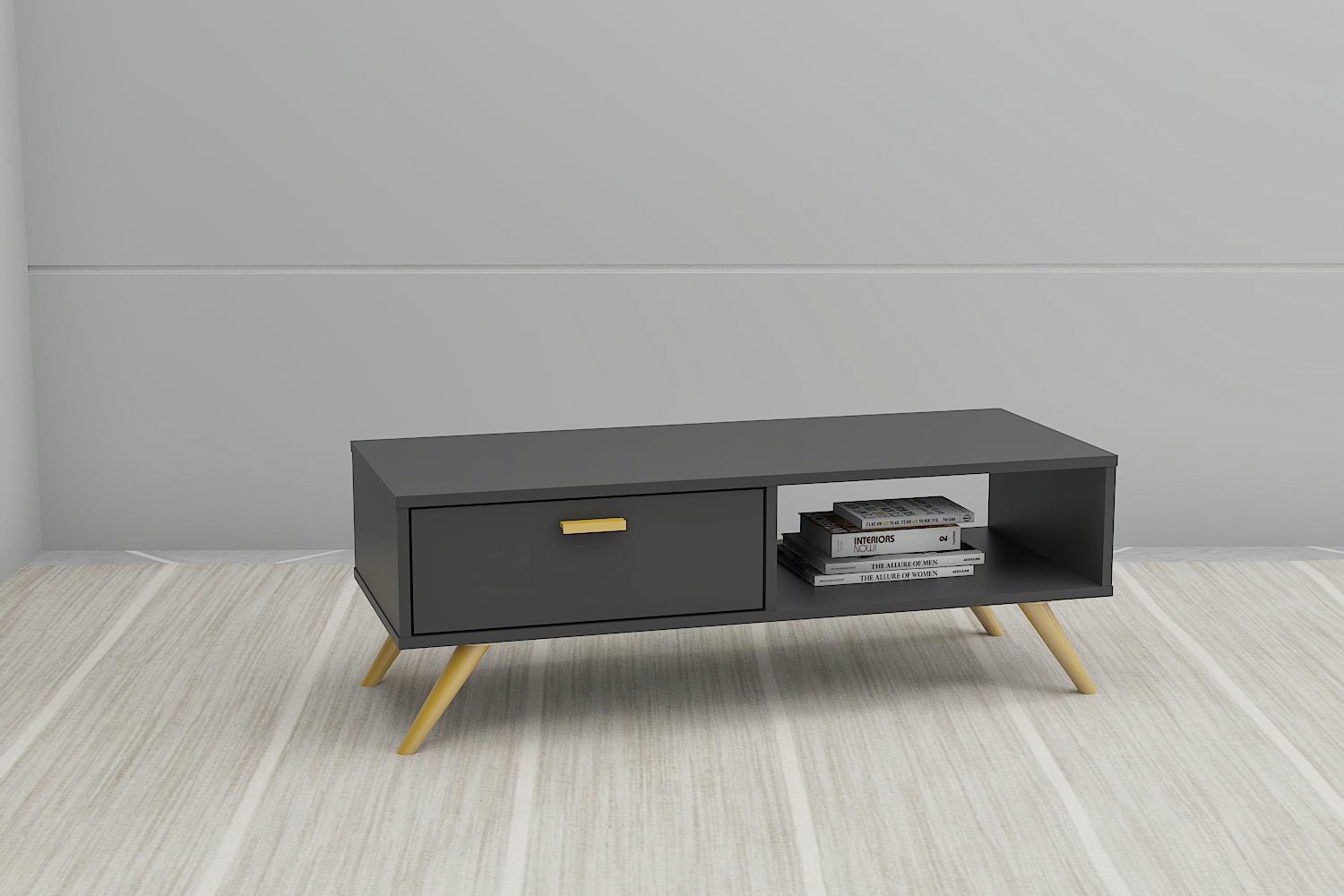
Coffee table books are a classic choice for a reason. They introduce colour, texture and personality while also being functional. Select books that reflect your interests — interior design, travel, fashion, art or photography all work well.
Stacking two or three books horizontally can create height and structure. Place a small decorative object on top, such as a candle or ornament, to complete the look. If your table is larger, you might create two separate stacks at either end for balance.
When choosing books, pay attention to the covers. Neutral tones create a calm aesthetic, while bold covers can inject energy into a minimalist space. Keep the stack neat and avoid overcrowding; the goal is curated, not cluttered.
Incorporate a Tray for Structure
A tray is one of the most practical items you can place on a coffee table. It helps group smaller objects together, making the arrangement feel intentional rather than scattered.
A rectangular tray works well on larger tables, while a round tray suits circular or oval tables. Materials such as wood, rattan, mirrored glass or metal can reinforce your chosen style. For example, a woven tray complements a rustic or bohemian interior, while a sleek metal tray suits a modern home.
Inside the tray, you might place a candle, a small plant and a decorative object. Grouping items in odd numbers — typically three — often looks more visually pleasing. The tray also makes it easy to move everything at once when you need extra surface space.
Introduce Greenery or Flowers
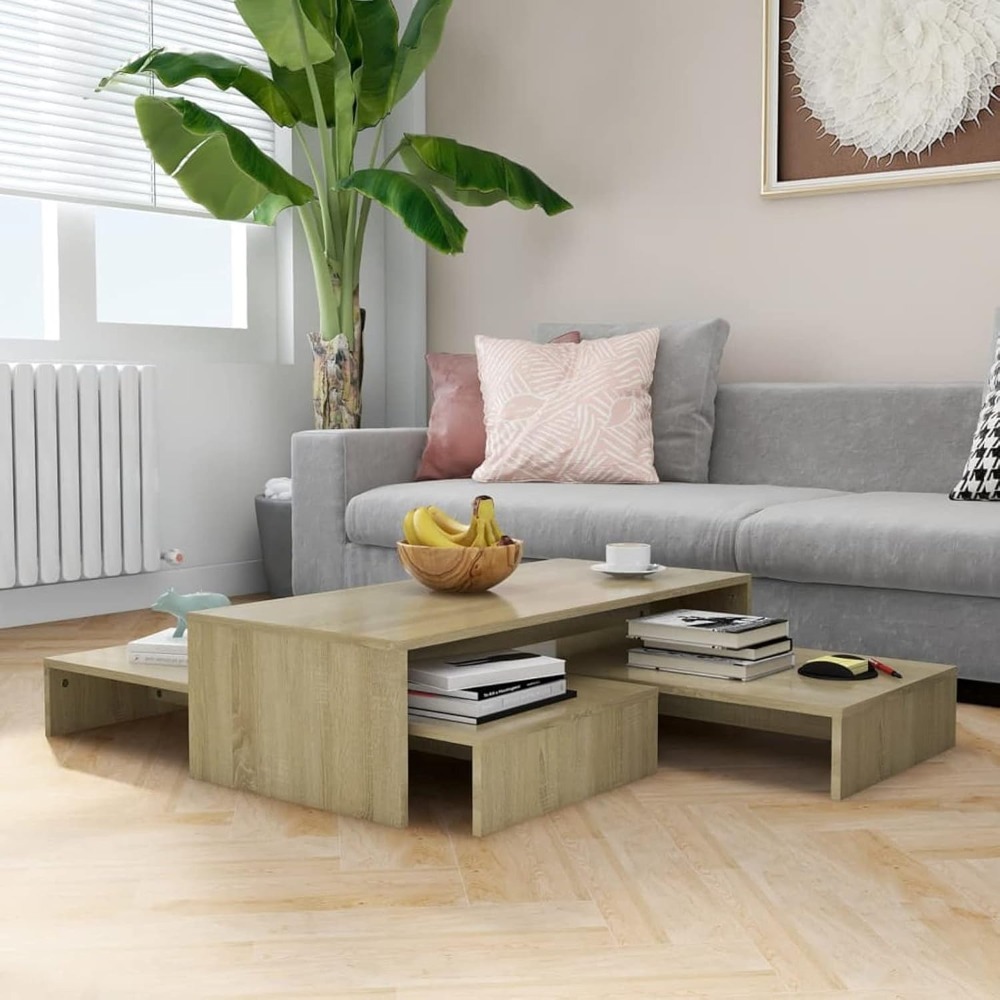
Plants and flowers instantly breathe life into a living room. Even a small potted plant can soften the hard lines of furniture and add freshness.
If you have limited natural light, consider low-maintenance options such as succulents or faux plants. High-quality artificial greenery can look remarkably realistic and requires no upkeep.
For larger tables, a medium-sized plant in a decorative pot can serve as the centrepiece. On smaller tables, opt for something compact and delicate. The aim is to enhance the table without making it feel crowded or impractical.
Include Candles for Warmth
Candles add warmth, scent and atmosphere. They are especially effective during evenings, creating a soft glow that makes the room feel cosy.
Choose candle holders that match your décor style. Glass holders offer elegance, while matte ceramic or brass can provide a more contemporary feel. Varying heights can add dimension, but avoid making the arrangement too tall if your coffee table sits between sofas, as it may block conversation.
If you have children or pets, consider flameless LED candles for safety while still achieving a similar visual effect.
Add Personal Touches
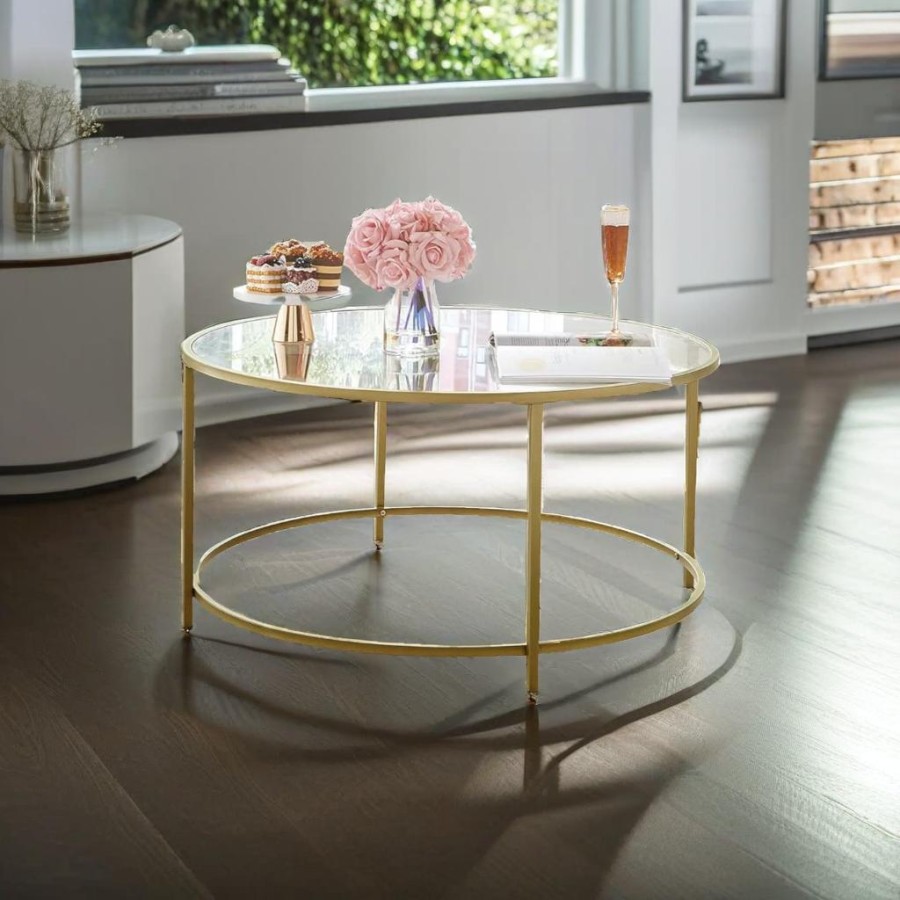
Your coffee table is an opportunity to showcase your personality. This might include a small framed photograph, a travel souvenir or a handmade item.
Be selective. Instead of placing multiple sentimental items, choose one or two meaningful pieces. Too many personal objects can make the table feel cluttered. A single framed photo or a decorative box containing keepsakes can be enough to tell a story without overwhelming the space.
Personal touches make your living room feel lived-in and authentic rather than staged.
Consider Practical Items
A coffee table should remain functional. Think about what you regularly use in your living room. Coasters are essential for protecting the surface, and they can also act as decorative elements if chosen carefully.
You may also include a stylish remote control holder or a decorative box to hide smaller items such as matches or spare change. Keeping everyday essentials neatly contained helps maintain a tidy appearance.
If you entertain frequently, leaving a little open space is important. A beautifully styled table should still allow room for drinks, snacks or board games when needed.
Play with Height and Texture
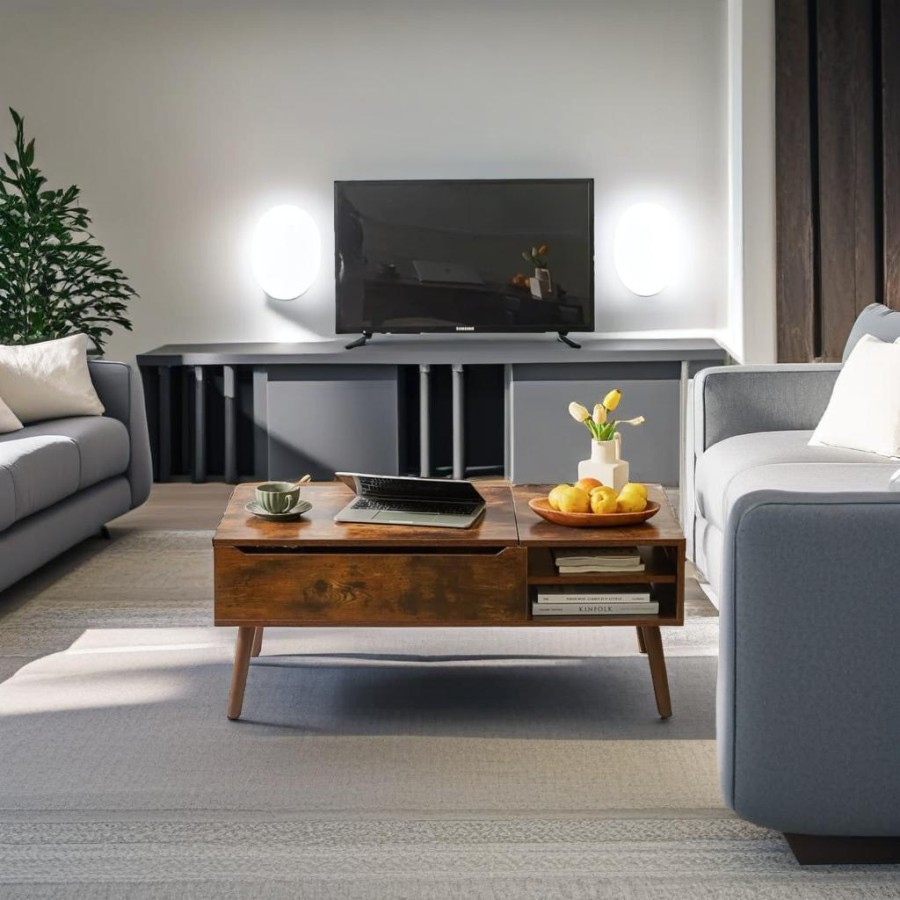
A visually interesting coffee table arrangement includes variation. Mixing different heights, shapes and textures creates depth.
Combine smooth surfaces with rough ones, such as pairing a glossy ceramic vase with a woven tray. Use tall items alongside lower pieces to avoid a flat, uniform look. However, ensure nothing is so tall that it obstructs sightlines across the room.
Layering is another effective technique. For example, place a small object on top of books, or position a tray slightly off-centre to create a relaxed, balanced aesthetic.
Keep Proportion in Mind
The size of your coffee table should guide your styling choices. A large rectangular table can accommodate multiple groupings, while a small round table may only need a simple arrangement of three items.
Avoid filling every inch of space. Negative space — the empty areas — allows the eye to rest and makes the overall look more sophisticated. If your living room already contains bold patterns or colours, opt for a more minimal coffee table display to prevent visual overload.
Adapt to the Seasons
Refreshing your coffee table with the seasons keeps your living room feeling current. In spring, incorporate fresh flowers and lighter tones. In summer, consider coastal accents such as shells or light woven textures. Autumn calls for warm colours, candles and natural materials, while winter may inspire festive touches or rich metallic accents.
Small changes can make a noticeable difference, allowing your space to evolve throughout the year without a complete redesign.
Conclusion
Styling a coffee table is about balance. It should be attractive yet practical, curated yet comfortable. By combining a focal point, books, greenery, candles and a few personal touches, you can create a display that enhances your living room rather than clutters it. Remember to consider proportion, texture and functionality, and leave enough space for everyday use. With thoughtful arrangement and occasional seasonal updates, your coffee table can become a true highlight of your home — a stylish surface that reflects your taste and welcomes both family and guests.
Find something for the occasion
Search thousands of products from independent sellers, or start with a category.