What Is A Woodwind Instrument?
Darren Butler
21 August 2026

Woodwind instruments are a fascinating family of musical instruments known for their expressive sounds, wide range of tones and important role in orchestras, bands and many other types of music. From the gentle sound of a flute to the rich, warm tone of a bassoon, woodwind instruments can create an enormous variety of musical effects. Despite their name, not all woodwind instruments are actually made from wood. What connects them is the way they produce sound, usually by directing air through a tube and, in many cases, using a reed. But what exactly is a woodwind instrument, how does it work, and which instruments belong to this family?
What Is a Woodwind Instrument?
A woodwind instrument is a musical instrument that produces sound when a player blows air through it. The air causes vibrations inside the instrument, which create the sound we hear. Players can change the pitch by opening and closing holes or pressing keys that cover holes along the instrument's body.
The woodwind family is divided into two main groups: flutes and reed instruments. Flutes produce sound when air is blown across an opening, causing the air inside the instrument to vibrate. Reed instruments, meanwhile, use one or more thin pieces of material called reeds. These reeds vibrate when air passes over them, producing sound.
The flute is therefore quite different from instruments such as the clarinet or saxophone, even though they all belong to the woodwind family. The clarinet uses a single reed, while the oboe and bassoon use double reeds. Saxophones also use a single reed, despite often being associated with jazz and popular music rather than traditional orchestral woodwinds.
Why Are They Called Woodwinds?
The name "woodwind" comes from the materials and construction methods traditionally used to make these instruments. Historically, many woodwind instruments were made from wood. Flutes, clarinets, oboes and bassoons were commonly constructed using various types of timber.
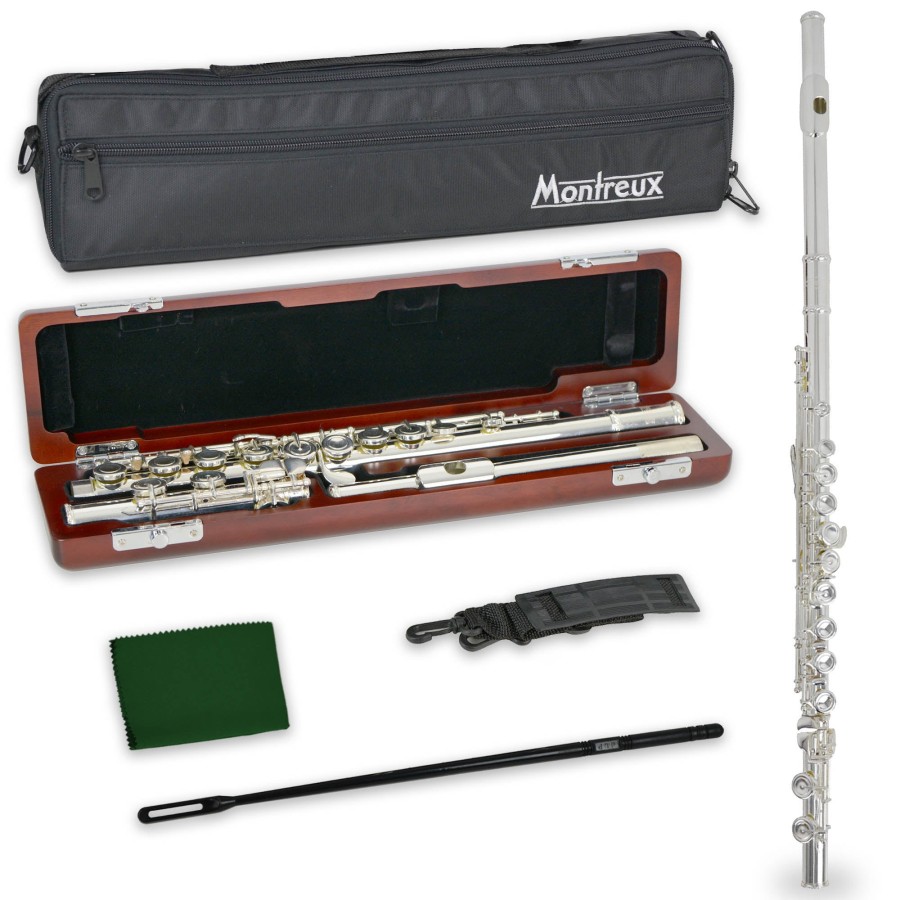
Today, however, some woodwind instruments are made from other materials. Modern flutes, for example, are commonly made from metals such as silver, gold or various alloys. Saxophones are usually made from brass. Despite this, these instruments remain part of the woodwind family because of the way they produce sound.
The term therefore describes the instrument's musical classification rather than simply the material from which it is made.
How Do Woodwind Instruments Produce Sound?
Air is the key to every woodwind instrument. When a musician blows into the instrument, the moving air interacts with the instrument's internal air column. This creates vibrations that produce a musical note.
Players control the pitch by changing the length of the vibrating air column. Covering or uncovering holes effectively changes the length of the instrument through which the air vibrates. Modern instruments usually use keys, pads and other mechanisms to make this process easier and allow musicians to play quickly and accurately.
The player's breath also affects the sound. Changes in air pressure, speed and control can influence volume, tone and expression. This means that becoming skilled at a woodwind instrument involves much more than simply learning which keys or holes to use. Good breath control is essential.
The Main Types of Woodwind Instruments
There are many different woodwind instruments, each with its own sound and role.
Flute
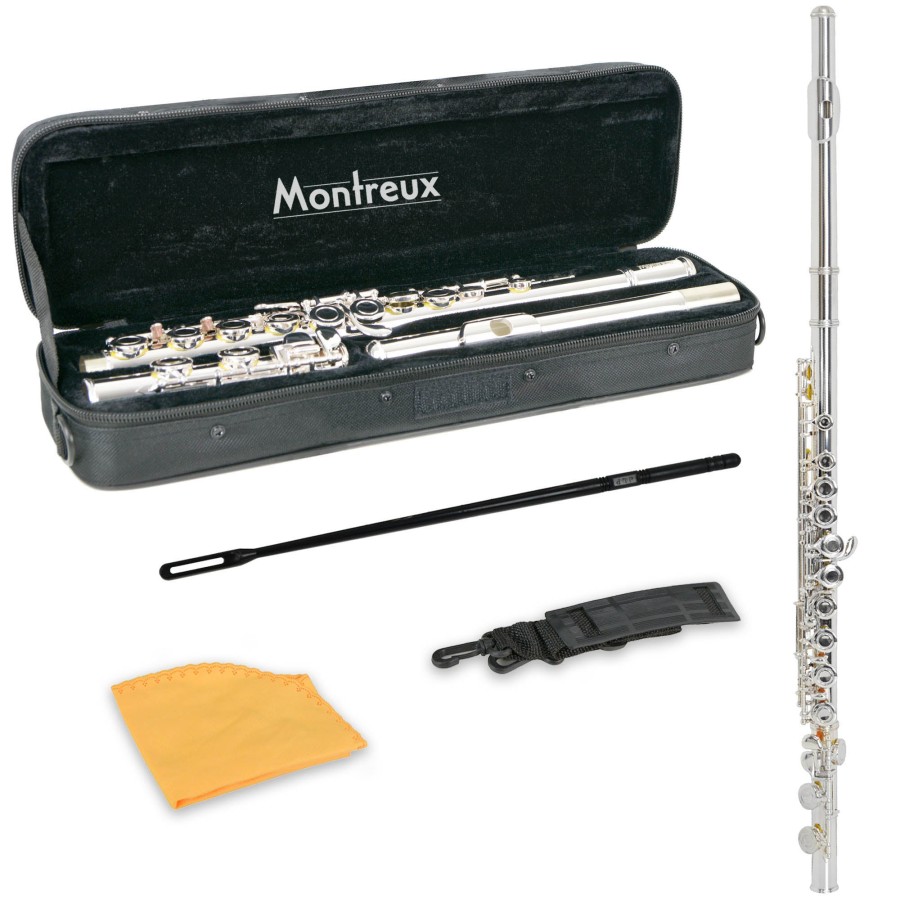
The flute is one of the most recognisable woodwind instruments. Unlike reed instruments, it does not use a reed. Instead, the player blows air across a hole in the mouthpiece, causing the air inside the instrument to vibrate.
Flutes generally have a bright, clear and agile sound. They can play high notes particularly effectively and are frequently used in orchestras, concert bands, film music and many contemporary styles.
Clarinet
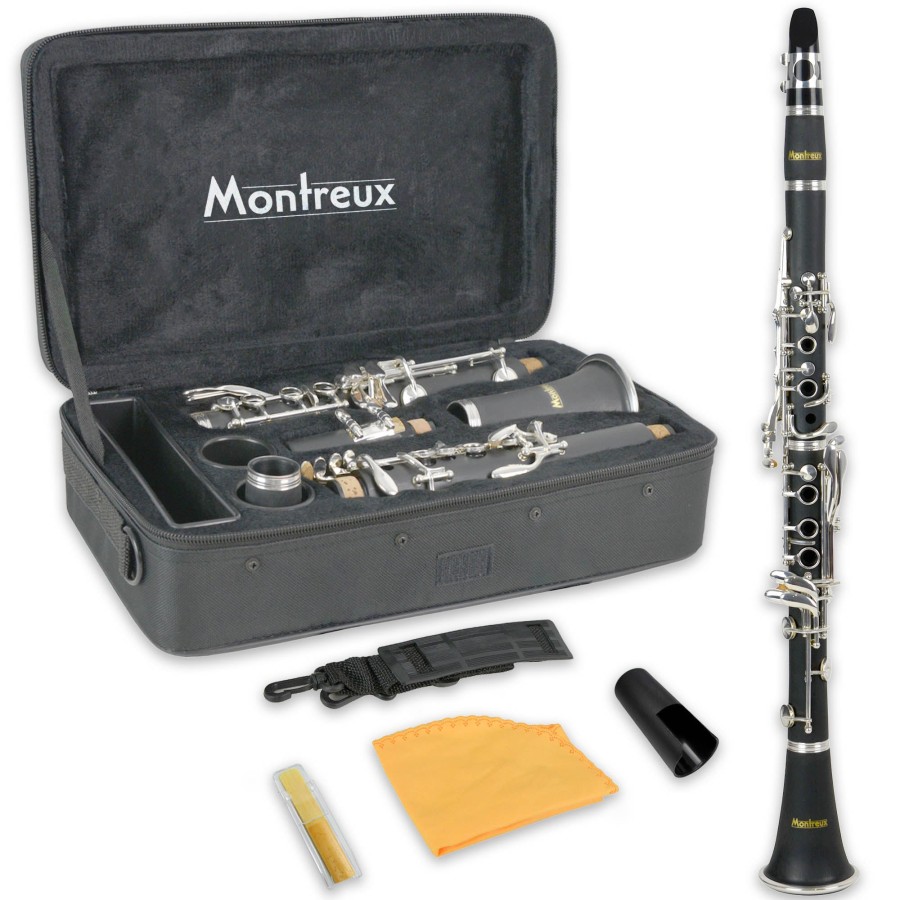
The clarinet uses a single reed attached to its mouthpiece. It has a smooth, flexible sound and is capable of playing both soft, mellow passages and powerful, energetic melodies.
Clarinetists use keys to open and close holes along the instrument. The clarinet is an important member of orchestras and wind bands and is also widely used in jazz and other musical styles.
Oboe
The oboe is a double-reed instrument, meaning that two reeds vibrate against each other when the player blows air through them. It has a distinctive, penetrating tone that makes it easy to hear within an ensemble.
Because of its unique sound, the oboe is often given important melodic passages in orchestral music. Orchestra members also commonly use the oboe to provide a reference pitch for tuning.
Bassoon
The bassoon is another double-reed instrument. It is considerably larger than the oboe and produces a much lower sound. Its long, folded body allows it to have an extensive length while remaining practical for a musician to hold.
The bassoon has a deep, rich tone and can sound both serious and humorous. It provides important bass and supporting parts in orchestras and wind ensembles.
Saxophone
The saxophone is made mainly from brass, but it is classified as a woodwind because it produces sound using a single reed. It was invented in the nineteenth century and has become particularly famous for its role in jazz, although it is also used in classical music, pop, rock and marching bands.
There are several types of saxophone, including the soprano, alto, tenor and baritone saxophones. Each has a different range and character.
Where Are Woodwind Instruments Used?
Woodwind instruments can be found in many musical settings. In a traditional orchestra, they provide melodies, harmonies, colour and texture. A typical woodwind section includes flutes, oboes, clarinets and bassoons, with larger or related instruments sometimes added.
They are also important in concert bands, marching bands, jazz groups, chamber ensembles and popular music. Because each instrument has a distinctive tone, composers can combine different woodwinds to create contrasting sounds and moods.
Conclusion
Woodwind instruments form one of the most diverse and expressive families in music. Although many were historically made from wood, their classification is based primarily on how they produce sound rather than what they are made from. Flutes create sound by directing air across an opening, while instruments such as clarinets, oboes, bassoons and saxophones use reeds to create vibrations. Each instrument has its own unique character, range and role, making the woodwind family essential to countless musical styles. Whether heard in a large orchestra, a jazz ensemble or a school band, woodwind instruments continue to bring colour, emotion and variety to music around the world.
Find something for the occasion
Search thousands of products from independent sellers, or start with a category.