What Are Brass Instruments?
Darren Butler
31 July 2026 (updated 21 August 2026)

Brass instruments are among the most recognisable and powerful members of the musical instrument family. Known for their rich, resonant tones and impressive versatility, they have played a central role in orchestras, military bands, jazz ensembles and popular music for centuries. Despite their name, not every brass instrument is made entirely from brass, and the material itself is less important than the way the sound is produced. Whether creating triumphant fanfares, smooth jazz melodies or bold orchestral harmonies, brass instruments continue to inspire musicians and audiences alike. Understanding how they work and the different types available provides a fascinating insight into this important musical family.
What Defines a Brass Instrument?
A brass instrument is a wind instrument that produces sound when the player vibrates their lips against a cup-shaped or funnel-shaped mouthpiece. These vibrations create sound waves that travel through the instrument's tubing, producing the distinctive tones associated with the brass family.
Unlike woodwind instruments, which rely on reeds or air passing across an opening, brass instruments depend entirely on the player's embouchure, or the way they shape and control their lips. The pitch is altered by changing lip tension and by using valves or a slide to increase or decrease the length of the tubing.
Although many brass instruments are made from brass alloys, some are constructed from other metals or even modern synthetic materials. What classifies an instrument as brass is not the material but the method by which sound is created.
How Do Brass Instruments Work?
The process begins when a musician blows air into the mouthpiece while buzzing their lips. This buzzing creates vibrations that travel through the instrument's tubing. As the air column vibrates, different notes are produced depending on the length of the tubing and the player's control over their embouchure.
Most modern brass instruments include valves, which redirect the airflow through additional loops of tubing. Pressing different valve combinations changes the instrument's total tube length, allowing the player to produce a complete range of notes.
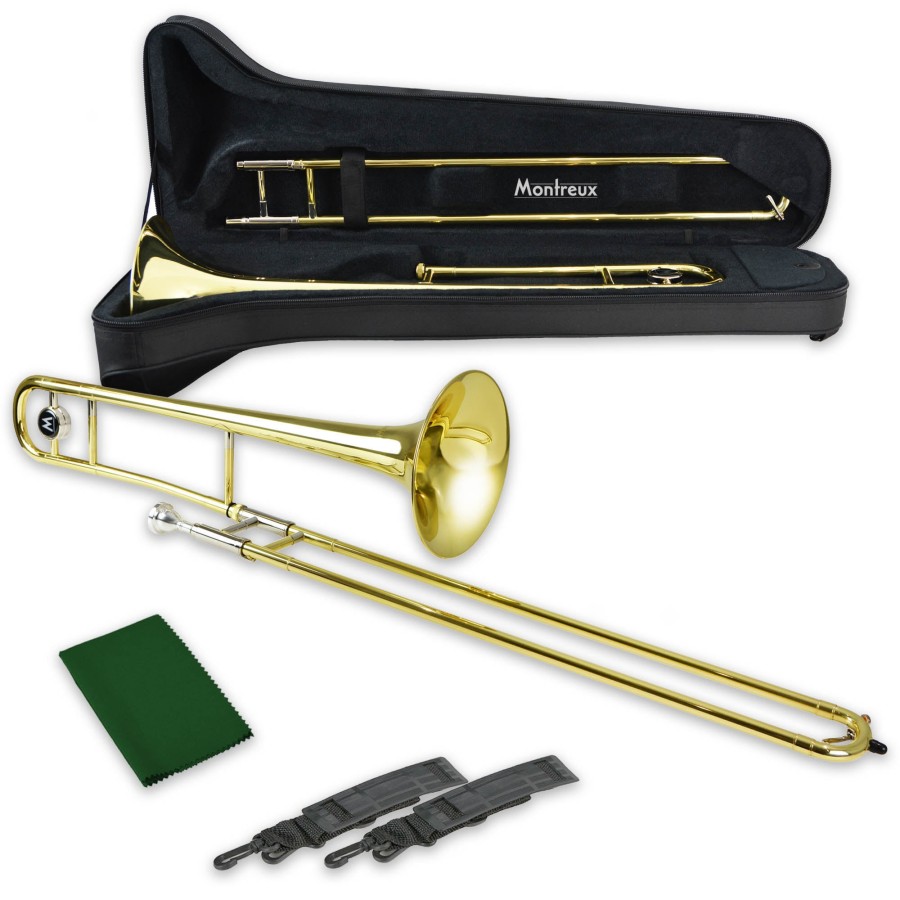
The trombone works differently. Instead of valves, it features a sliding section that extends or shortens the tubing. This unique design enables smooth transitions between notes, known as glissandos, and offers exceptional flexibility in pitch.
The bell at the end of the instrument projects and shapes the sound, giving each brass instrument its characteristic tone and volume.
The Main Types of Brass Instruments
The brass family includes several well-known instruments, each with its own unique sound and musical role.
Trumpet
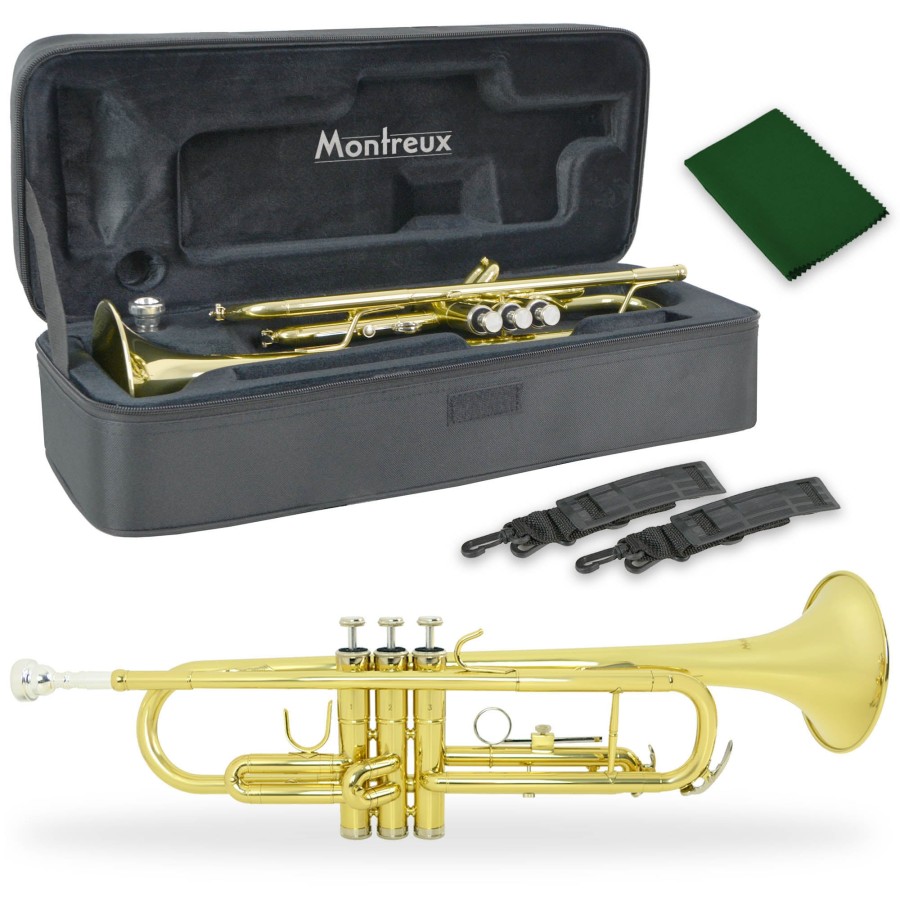
The trumpet is one of the oldest and most widely recognised brass instruments. It produces a bright, brilliant sound that can easily cut through an orchestra or band. Trumpets are commonly used in classical music, jazz, pop, military bands and ceremonial performances. Their agility makes them suitable for both fast technical passages and soaring melodic lines.
Trombone
The trombone is distinguished by its long slide rather than valves. It has a warm, full-bodied tone capable of both powerful climaxes and lyrical melodies. Trombones are essential members of symphony orchestras, concert bands, jazz ensembles and brass bands.
French Horn
Often referred to simply as the horn, the French horn has a long length of coiled tubing and a wide bell. It produces a smooth, mellow sound that blends beautifully with both brass and woodwind instruments. Horn players use both valves and subtle hand positioning inside the bell to refine pitch and tone.
Tuba
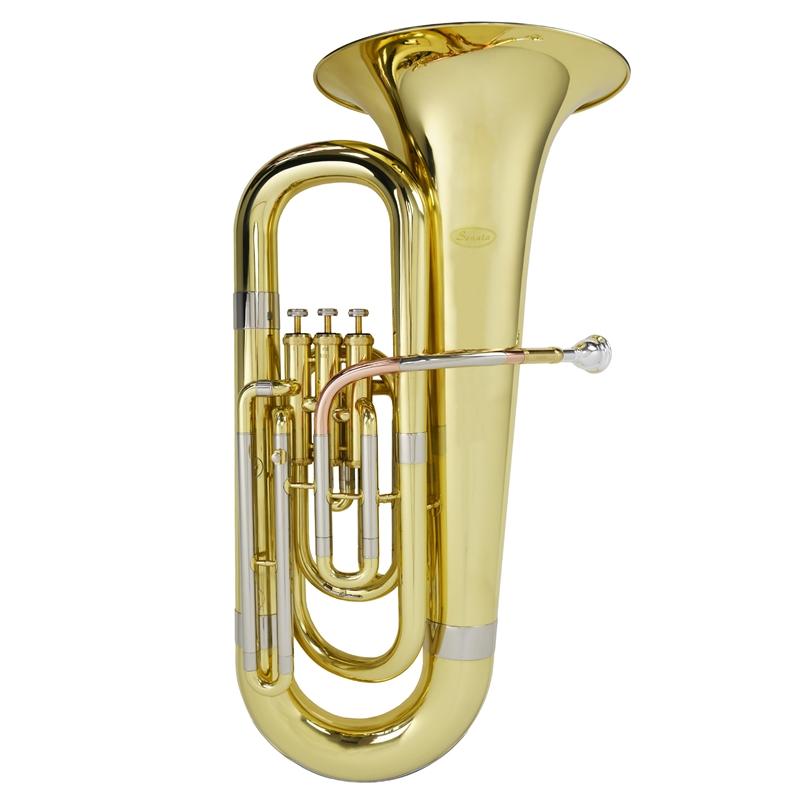
The tuba is the largest and lowest-pitched standard brass instrument. It provides the bass foundation for orchestras, brass bands and concert bands. Despite its size, the tuba is remarkably versatile, capable of both supportive accompaniment and expressive solo performances.
Euphonium and Baritone
The euphonium and baritone horn are medium-sized brass instruments with warm, rounded tones. While they appear similar, the euphonium generally has a richer and fuller sound due to its wider bore. Both instruments are particularly important in British brass bands, where they often perform lyrical solo passages.
Where Are Brass Instruments Used?
Brass instruments appear in an enormous variety of musical settings. Symphony orchestras rely on them for dramatic climaxes, majestic fanfares and rich harmonic support. Brass sections are equally important in concert bands and military bands, where their projection makes them ideal for outdoor performances.
Jazz music has long celebrated brass instruments, particularly the trumpet and trombone. Legendary performers have demonstrated how expressive these instruments can be, from gentle ballads to energetic improvisations.
Brass instruments also feature prominently in brass bands, a tradition especially popular across the United Kingdom. These ensembles consist almost entirely of brass instruments supported by percussion, showcasing the full range of colours and textures the brass family can produce.
Modern brass players are equally likely to perform in film soundtracks, musical theatre productions, pop concerts, recording studios and television performances. Their versatility allows them to adapt to almost any musical genre.
Learning to Play a Brass Instrument
Many beginners are surprised to discover that producing the first sound can be one of the most challenging parts of learning a brass instrument. Developing a consistent embouchure takes patience and regular practice. Once the basics are mastered, however, progress often becomes more rewarding.
Good breathing technique is essential, as brass playing requires controlled airflow and strong breath support. Players also develop endurance over time, allowing them to sustain longer performances without fatigue.
Choosing the right instrument often depends on age, physical size and musical interests. Younger players may begin with a cornet or baritone before progressing to larger instruments such as the trombone or tuba. Adult learners can start with virtually any brass instrument, provided they receive appropriate instruction and practise consistently.
Regular maintenance is equally important. Cleaning the tubing, oiling valves, lubricating slides and emptying moisture help keep the instrument functioning properly and prolong its lifespan.
Conclusion
Brass instruments combine technical ingenuity with remarkable musical expression, making them an essential part of countless ensembles and musical traditions. Defined by the vibration of the player's lips rather than the material from which they are made, they include familiar instruments such as the trumpet, trombone, French horn, euphonium and tuba. Each offers its own distinctive character while sharing the same fundamental principles of sound production. Whether performed in a symphony orchestra, brass band, jazz club or school ensemble, brass instruments continue to captivate audiences with their power, warmth and versatility, ensuring their enduring place in the world of music.
Find something for the occasion
Search thousands of products from independent sellers, or start with a category.