How To Wear A Head Band
Darren Butler
29 May 2026
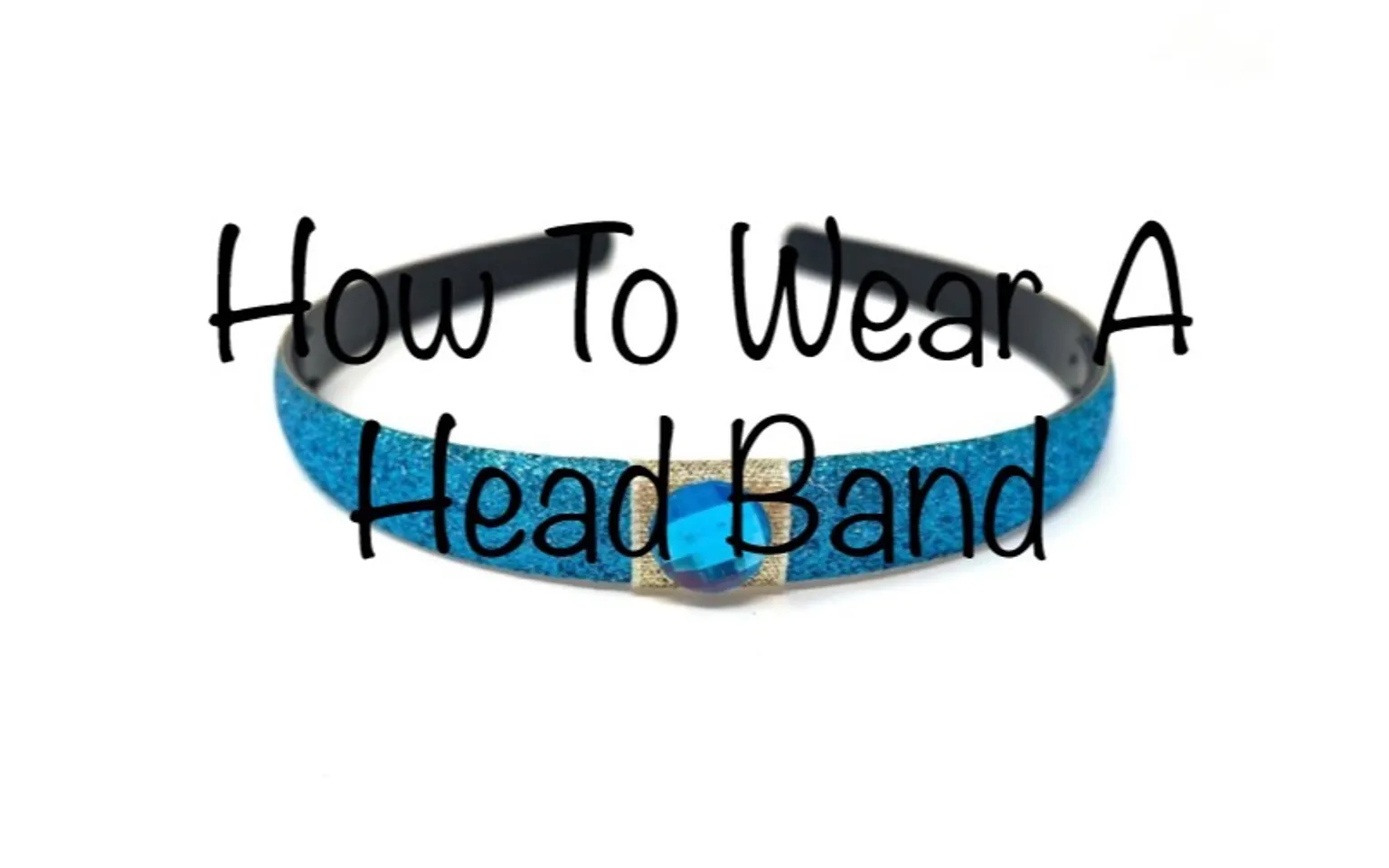
Head bands have become a timeless fashion accessory that combines practicality with style. Whether you want to keep your hair in place, add a fashionable touch to your outfit or create a polished hairstyle, a head band can transform your entire look with very little effort. From sleek and minimalist designs to bold padded styles, there is a head band suitable for every occasion and personality. They can be worn with casual outfits, formal wear and everything in between. Learning how to wear a head band properly helps you feel more confident and comfortable while making the accessory look stylish rather than forced or outdated in modern fashion.
Choose the Right Type of Head Band
The first step in wearing a head band successfully is choosing the right style. Head bands come in a wide range of materials, widths and designs, so selecting one that suits your outfit and personal style is important.
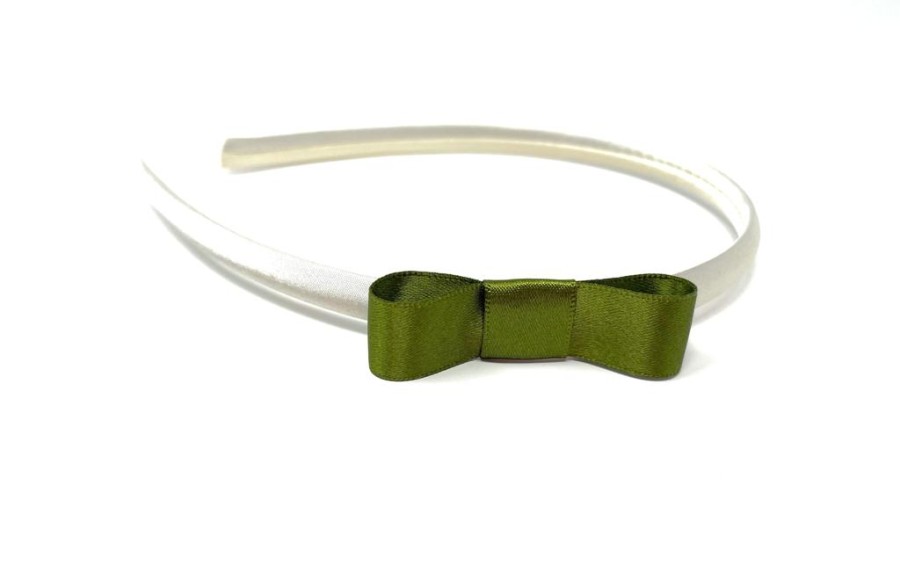
Thin head bands create a simple and elegant appearance. They work well for professional settings, formal occasions or minimalist fashion styles. Wider head bands make more of a statement and can instantly add personality to a basic outfit.
Fabric head bands are ideal for everyday wear because they feel soft and comfortable throughout the day. Velvet and satin styles are often associated with evening looks or special occasions because they appear more luxurious. Padded head bands have become increasingly fashionable and can add volume and sophistication to your hairstyle.
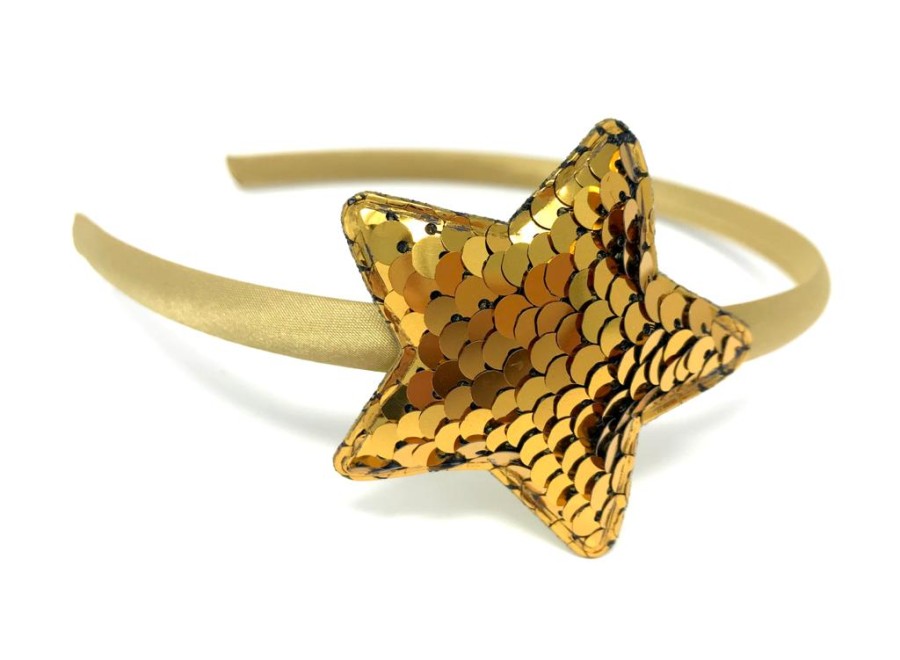
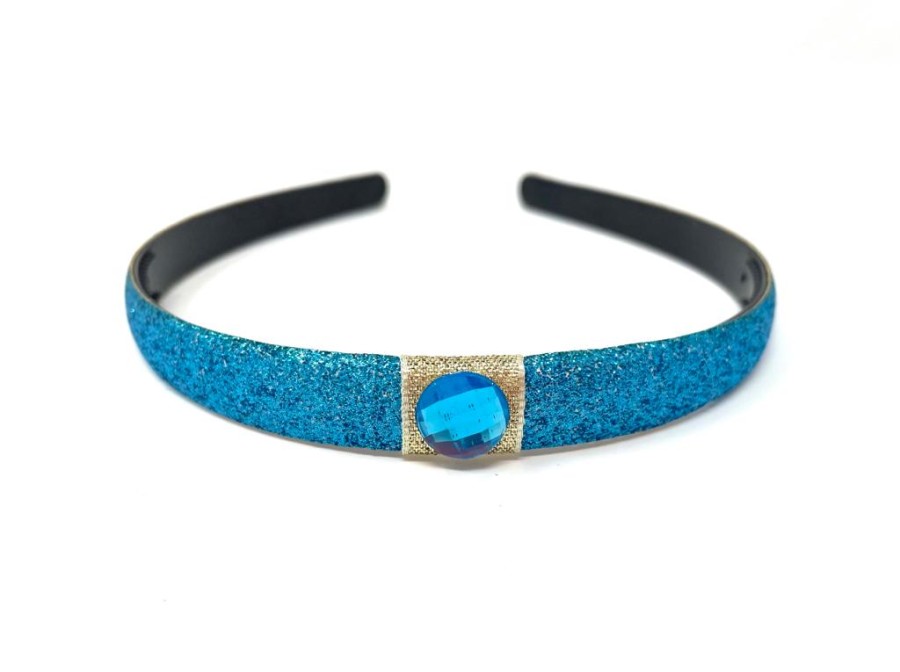
Sport-style elastic head bands are practical for exercise, outdoor activities or busy days when you need to keep your hair secure. Decorative styles with pearls, jewels or knots can elevate your appearance for parties, weddings or dinners.
Match the Head Band with Your Hairstyle
A head band should complement your hairstyle rather than compete with it. One of the most popular ways to wear a head band is with loose hair. Straight, wavy or curly hair can all work beautifully when paired with the right accessory.
If you wear your hair down, position the head band slightly behind your hairline for a natural and flattering appearance. Allowing a few strands of hair to frame your face can soften the overall look and make it feel more effortless.
Loose curls or beach waves pair especially well with padded or decorative head bands because they create volume and texture. Sleek straight hair often suits thin or metallic bands that create a clean and polished style.
Head bands also work perfectly with tied hairstyles. A low ponytail combined with a fabric head band creates a chic everyday look, while a messy bun with a wide band appears stylish and relaxed. Braids can also be enhanced with head bands, particularly during festivals or summer events.
Short hairstyles benefit from head bands as well. Pixie cuts and bob hairstyles can appear more fashionable and structured when paired with embellished or patterned styles.
Position the Head Band Correctly
Positioning is one of the most important parts of wearing a head band well. A poorly placed band can feel uncomfortable and affect the balance of your hairstyle.
Most people find that placing the head band one or two inches behind the hairline creates the most flattering appearance. This allows the accessory to frame the face naturally while keeping the hair secure.
For a more casual and relaxed style, wear the head band slightly further back and allow some volume around the crown. If you want a sleek and polished finish, smooth the hair neatly before placing the band.
People with fine or silky hair may notice their head band slipping during the day. Using dry shampoo or texturising spray can help create grip and improve hold. Hair grips or bobby pins can also secure the band discreetly when needed.
Comfort is equally important. A head band that is too tight may cause headaches after prolonged wear, so choose a style that fits securely without pressing too hard against the head.
Coordinate Your Head Band with Your Outfit
A head band should work as part of your overall outfit rather than appearing separate from it. Neutral colours such as black, cream, navy or beige are versatile choices because they match a wide range of clothing styles.
For formal occasions, elegant materials like satin, velvet or pearl-embellished bands pair beautifully with dresses, tailored outfits and evening wear. These styles can replace more traditional hair accessories while adding sophistication.
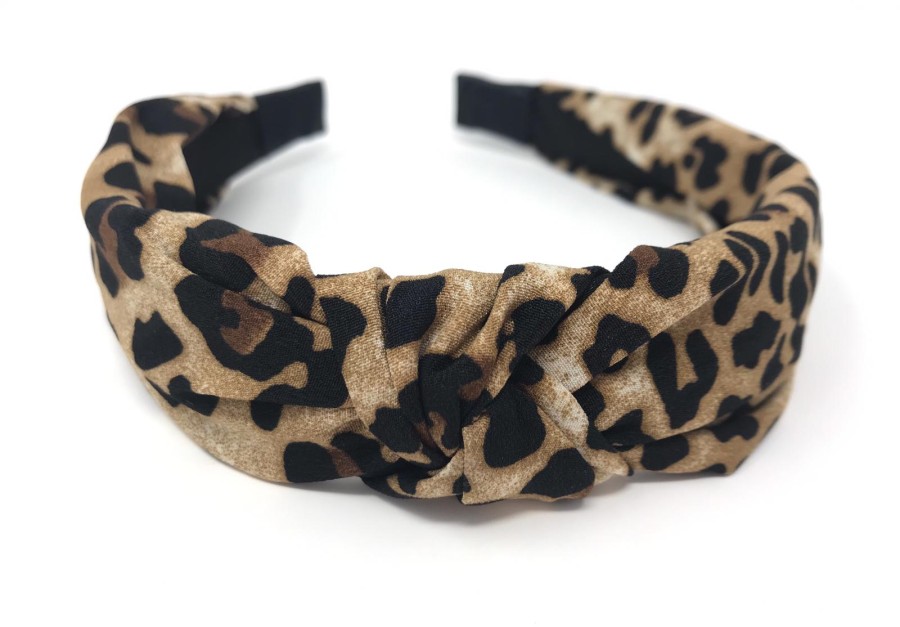
Casual outfits offer more freedom to experiment with colour and patterns. Floral prints, bright shades and knotted designs can add fun and personality to jeans, oversized jumpers or summer dresses.
During autumn and winter, thicker velvet or knitted head bands can create a cosy seasonal look. In spring and summer, lighter fabrics and colourful patterns often feel fresher and more appropriate.
Matching your head band with another accessory, such as shoes, handbags or jewellery, can help create a balanced and polished appearance.
Wear Head Bands for Different Occasions
Head bands can be adapted easily for different settings and events. In professional environments, understated and slim head bands usually work best because they look polished without being distracting.
For weddings, dinners or parties, embellished head bands with pearls, crystals or metallic finishes can add glamour and elegance. They pair especially well with soft curls or pinned hairstyles.
Sporty elastic head bands are practical for fitness routines because they keep hair away from the face during exercise. Many people also wear simple fabric head bands while applying skincare or relaxing at home because they are comfortable and functional.
Festivals and holidays provide opportunities to experiment with bolder styles. Braided head bands, floral designs and colourful patterns can add creativity and individuality to your look.
Consider Face Shape and Hair Texture
Choosing the right head band for your face shape can improve the overall balance of your appearance. People with round faces often suit head bands that create height and volume at the crown because they help elongate facial features.
Oval faces are versatile and generally suit most head band styles. Those with square faces may prefer softer or rounded designs that balance stronger jawlines. Heart-shaped faces often look best with slimmer head bands that do not add excessive width around the forehead.
Hair texture also affects how a head band sits and stays in place. Thick hair can support wider or padded bands easily, while fine hair may work better with lightweight or textured styles.
Curly hair pairs beautifully with stretchy fabric head bands because they accommodate natural volume comfortably without flattening the curls.
Avoid Common Styling Mistakes
Although head bands are easy to wear, there are a few mistakes worth avoiding. Wearing a head band that is too tight can quickly become uncomfortable and may leave marks behind the ears.
Another common issue is choosing a style that clashes heavily with your outfit. If your clothing already contains bold prints or statement details, a simple head band is usually the better option.
Pulling the hair too tightly underneath the band can also create an overly severe appearance. Keeping some softness around the face often looks more flattering and modern.
Most importantly, confidence makes a huge difference. A head band should feel like an extension of your personal style rather than something worn purely to follow trends.
Conclusion
Head bands are one of the most versatile accessories in fashion because they combine practicality, comfort and style effortlessly. Whether you prefer a minimalist design, a sporty look or a bold statement piece, there is a head band suitable for every hairstyle, outfit and occasion. By choosing the right style, positioning it properly and coordinating it with your clothing, you can create a polished and fashionable appearance with very little effort. From casual everyday outfits to elegant evening wear, head bands remain a timeless accessory that continues to evolve with modern trends while offering endless opportunities for personal expression and creativity.
Find something for the occasion
Search thousands of products from independent sellers, or start with a category.