How to Learn Guitar: A Complete Beginner's Guide
Darren Butler
3 July 2026

Learning to play the guitar is one of the most rewarding skills you can develop. Whether you dream of playing your favourite songs, writing your own music, or simply enjoying a creative hobby, the guitar offers endless opportunities for growth and enjoyment. While becoming a skilled guitarist takes patience and consistent practice, the journey is accessible to anyone willing to dedicate time and effort. This guide explains the essential steps to learning guitar, from choosing the right instrument to building good practice habits and developing the confidence to play with others.
Choose the Right Guitar
The first step is selecting a guitar that suits your goals and preferences. Beginners often wonder whether to choose an acoustic, classical or electric guitar.
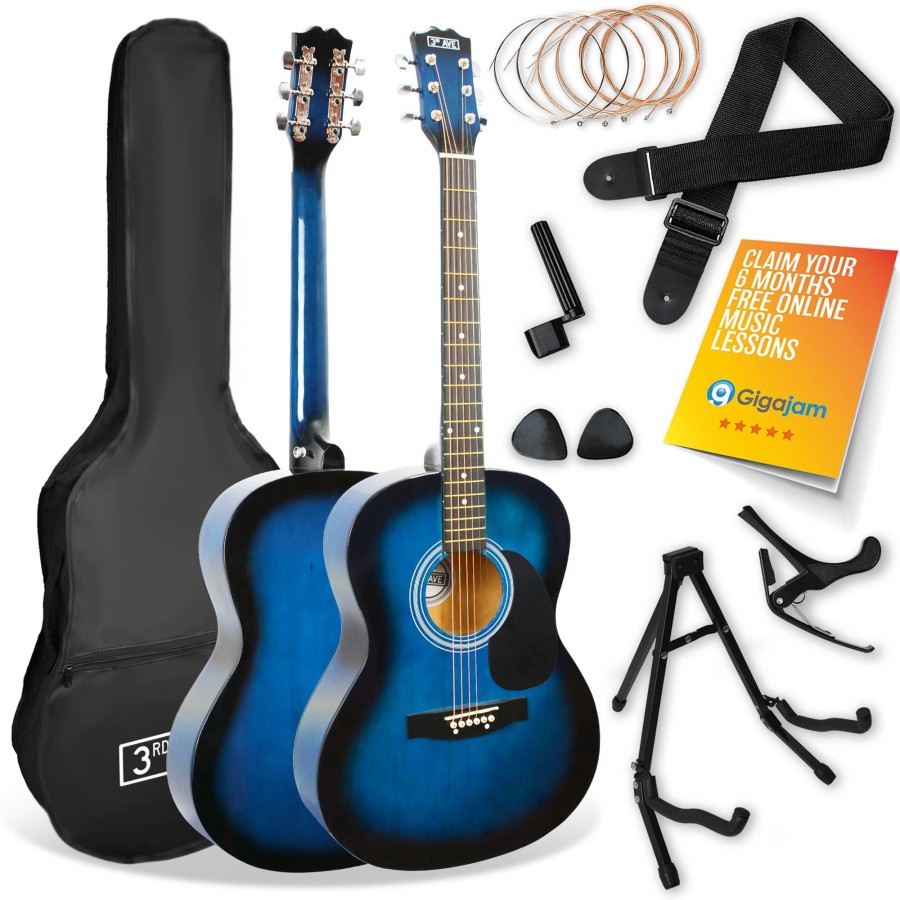
An acoustic guitar is ideal for those who enjoy folk, country or singer-songwriter music. It requires no additional equipment, making it a practical choice for learning at home.
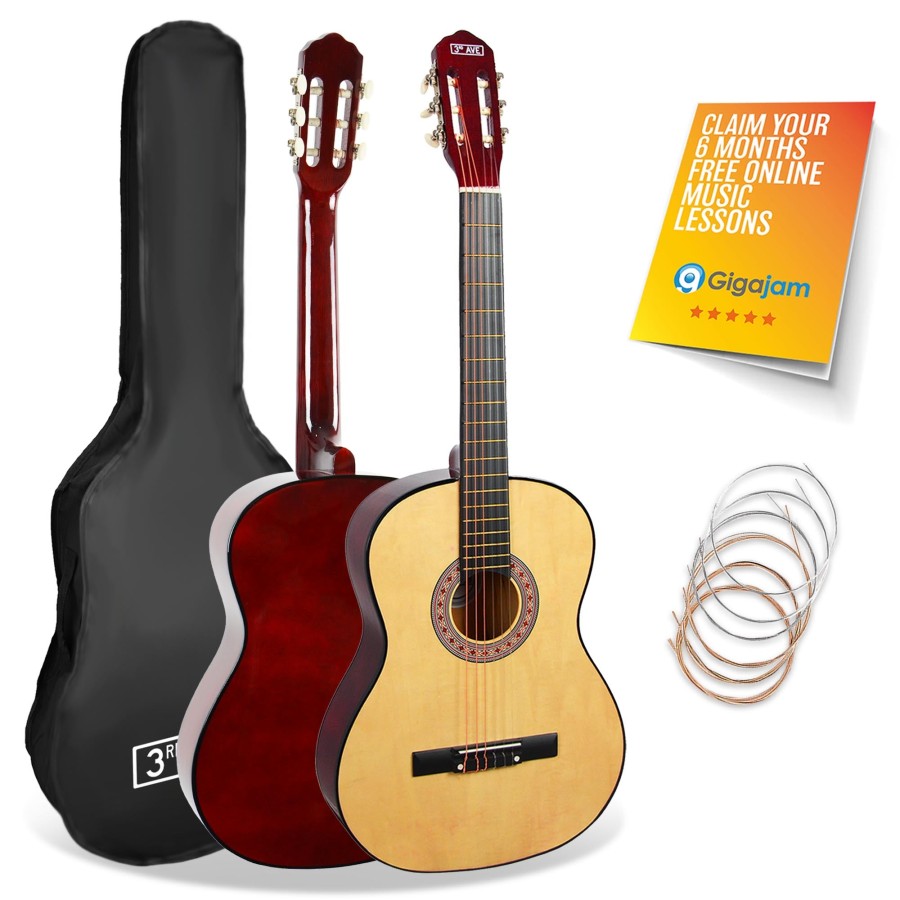
A classical guitar features nylon strings, which are gentler on the fingers. This makes it an excellent option for younger learners or anyone concerned about finger discomfort during the early stages.
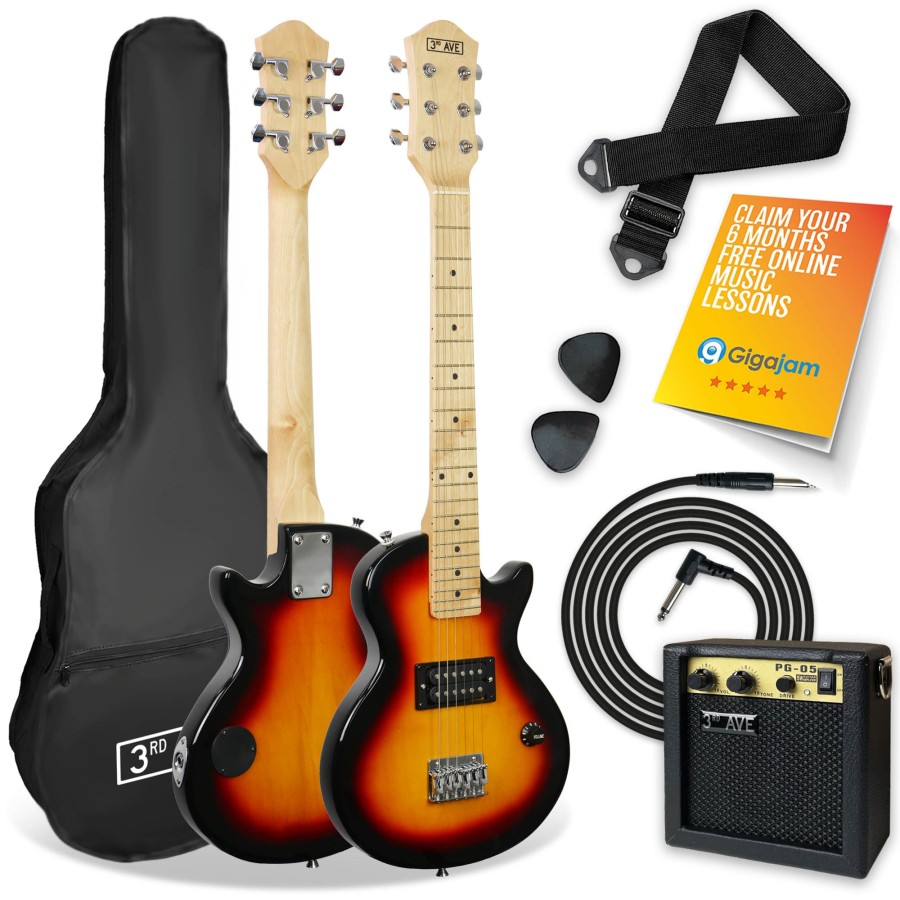
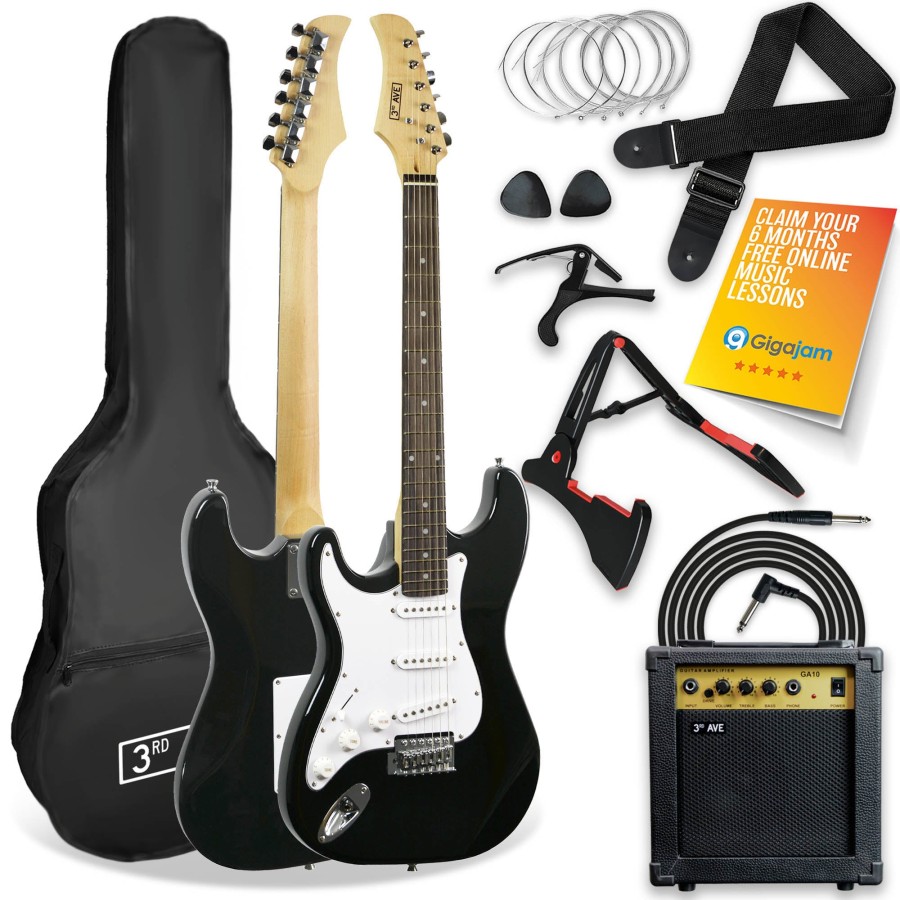
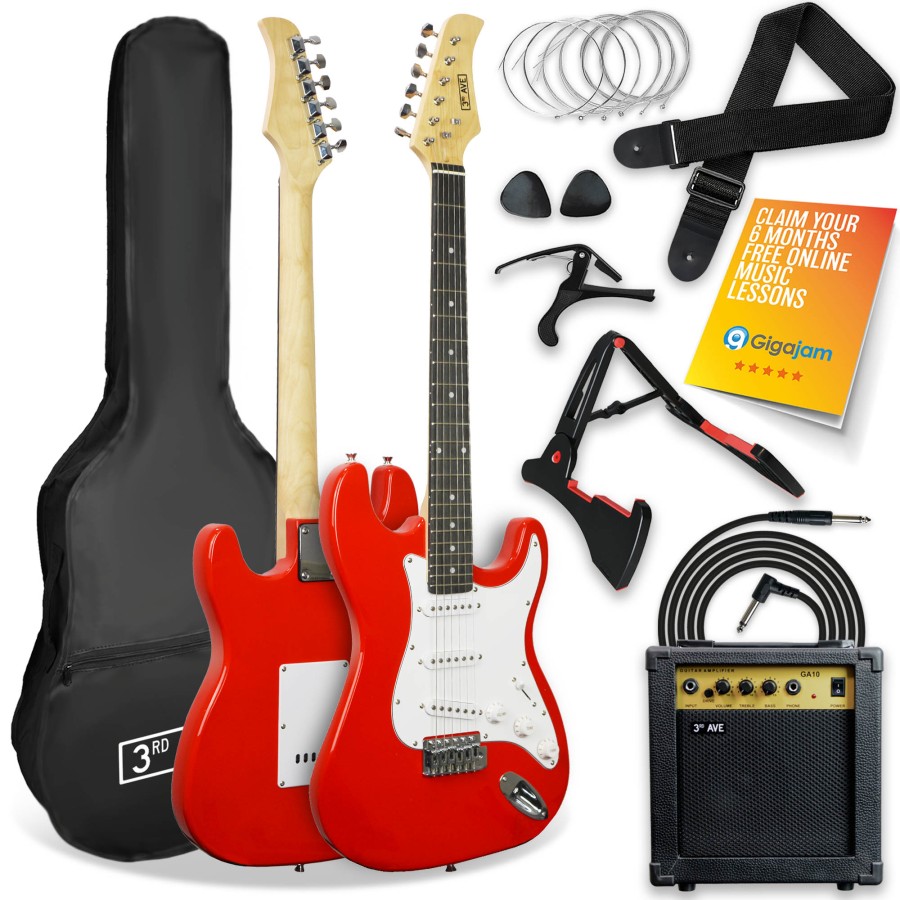
An electric guitar is perfect for those interested in rock, blues or metal. Although it requires an amplifier, electric guitars typically have lighter strings and lower string tension, making them easier to play for many beginners.
Whichever style you choose, ensure the guitar is comfortable to hold, properly set up and stays in tune. A well-maintained instrument makes learning far more enjoyable.
Learn the Parts of the Guitar
Before playing your first song, spend time becoming familiar with the instrument. Learn the names and functions of the headstock, tuning pegs, neck, fretboard, frets, strings, body, bridge and sound hole or pickups.
Understanding these basic parts helps you follow tutorials, communicate with teachers and develop confidence as you progress.
Master Basic Chords
Chords are the foundation of countless songs. Begin with open chords such as G, C, D, A, E, Em, Am and Dm. These are among the most commonly used chords in popular music.
Initially, changing between chords may feel slow and awkward. Focus on placing each finger accurately rather than rushing. With regular practice, your muscle memory will improve, allowing smooth and natural transitions.
Many beginners become discouraged during this stage, but consistency is far more important than speed.
Develop Your Strumming Technique
Strumming brings chords to life. Start with simple downstrokes before introducing alternating down-up patterns.
Use a metronome to maintain a steady rhythm and practise slowly until your movements feel relaxed. Good rhythm is often more important than playing complicated techniques.
Experiment with different strumming patterns to match various musical styles. As your confidence grows, you'll notice that many songs use similar rhythmic patterns.
Learn Basic Music Theory
Although you do not need extensive theoretical knowledge to start playing, understanding a few key concepts will make learning easier.
Begin by learning:
- The names of the strings
- Basic note values
- Simple time signatures
- Major and minor chords
- Basic scales
- Rhythm counting
Music theory provides the framework for understanding how songs are constructed rather than simply memorising finger positions.
Practise Every Day
Short, regular practice sessions are much more effective than occasional lengthy ones. Aim to practise for 20 to 30 minutes each day.
A balanced practice routine might include:
- Five minutes warming up
- Ten minutes practising chords
- Five minutes working on rhythm
- Ten minutes learning a new song
Setting realistic goals helps maintain motivation. Rather than attempting to master everything at once, focus on one new skill at a time.
Learn Songs You Enjoy
Playing songs you recognise makes practice far more engaging. Choose simple songs that use only a few chords before gradually increasing the difficulty.
Learning complete songs develops timing, chord changes, rhythm and confidence simultaneously. Every finished song also gives you a sense of achievement, encouraging you to continue learning.
Don't worry if you need to play slowly at first. Accuracy always comes before speed.
Build Finger Strength and Dexterity
Sore fingertips are completely normal during the first few weeks of learning. As you continue practising, your fingers will develop small calluses that make playing much more comfortable.
Exercises that improve finger independence and coordination include:
- Chromatic exercises
- Finger stretching
- Scale practice
- Hammer-ons and pull-offs
- Simple picking patterns
Avoid over-practising if your hands become painful. Rest is an important part of improvement.
Use a Variety of Learning Resources
Today's learners have access to an enormous range of educational materials.
Consider combining several learning methods, including:
- Online video lessons
- Guitar learning apps
- Printed chord books
- Songbooks
- Private lessons
- Group classes
Each resource offers different strengths, and using multiple approaches helps reinforce your understanding.
Improve Your Ear
Listening carefully is an often-overlooked skill. Try identifying chord changes, rhythms and melodies by ear.
As your musical hearing develops, you'll rely less on written music and become more capable of learning songs independently.
Singing along while playing can also improve your sense of timing and pitch.
Record Your Progress
Recording yourself regularly is an excellent way to monitor improvement. You may not notice daily progress, but comparing recordings made several weeks apart clearly demonstrates how far you've come.
Listening back also highlights areas needing improvement, whether that's rhythm, timing or chord clarity.
Stay Patient and Consistent
Every guitarist experiences periods where progress feels slow. These plateaus are completely normal and should not discourage you.
Celebrate small achievements, such as mastering a new chord, playing a song without mistakes or improving your rhythm. These milestones gradually build into significant progress over time.
Remember that even professional musicians continue learning throughout their careers. The key difference is persistence rather than natural talent.

Play with Other Musicians
Once you've learned a handful of songs, consider playing with friends or joining a local music group. Performing with others improves timing, listening skills and confidence in ways that practising alone cannot.
You don't need to be an expert before playing with others. In fact, collaborative learning often accelerates improvement and keeps motivation high.
Most importantly, enjoy the process. Guitar is a lifelong instrument that offers endless opportunities for creativity, relaxation and personal achievement.
Conclusion
Learning to play the guitar is a journey that rewards dedication, patience and regular practice. By choosing the right instrument, mastering the basics, developing good practice habits and gradually expanding your skills, you'll build a strong musical foundation. Remember that every guitarist progresses at their own pace, so avoid comparing yourself to others and focus on consistent improvement. Most importantly, enjoy the process and celebrate each milestone along the way. Whether your goal is to play for personal enjoyment or perform in front of an audience, every practice session brings you one step closer to becoming a confident guitarist.
Find something for the occasion
Search thousands of products from independent sellers, or start with a category.