
How to Get a Cat in a Carrier
Darren Butler
28 August 2026 (updated 24 September 2026)
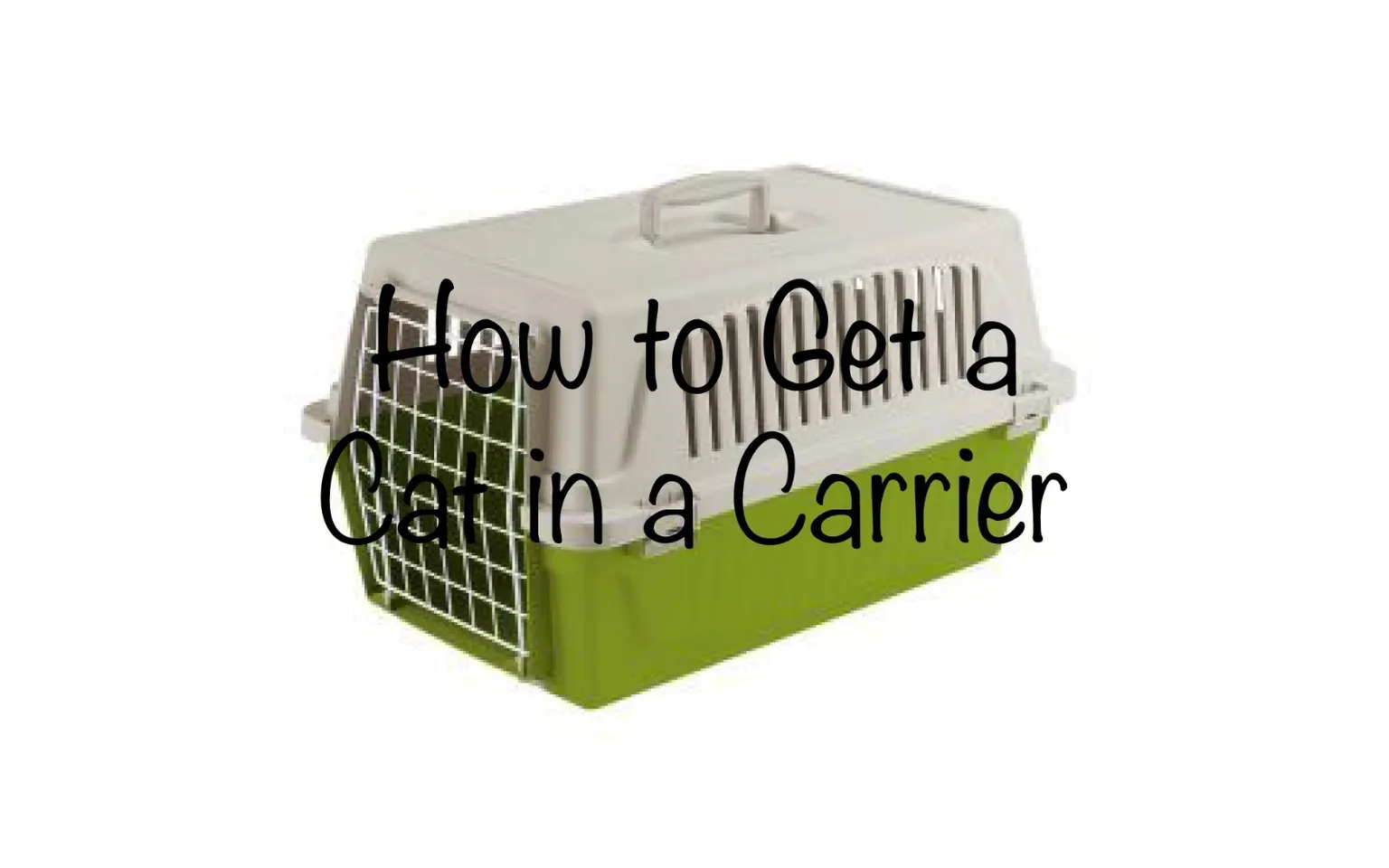
Getting a cat into a carrier can feel like a battle, particularly if your pet associates the carrier with trips to the vet. Scratching, hiding, hissing and frantic attempts to escape are common, but you do not have to accept stressful journeys. With the right preparation, an approach and some practice, most cats can become easier to transport. The key is to make the carrier feel familiar rather than treating it as something that only appears when your cat is going somewhere unpleasant. This guide explains how to choose, prepare and use a carrier safely, with steps for reluctant cats.
Choose the Right Carrier
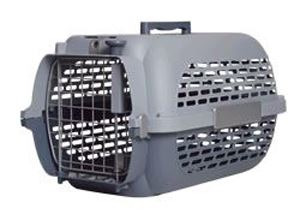
Before you try to put your cat inside, make sure the carrier is suitable. A sturdy plastic carrier with good ventilation is often a practical choice because it is secure, easy to clean and less likely to collapse if your cat struggles. It should be large enough for your cat to stand, turn around and lie down comfortably, without being so spacious that your pet feels exposed.
A carrier with a wide opening or removable top can make loading much easier. Avoid forcing a nervous cat through a small front door if there is a gentler alternative. Check the catches and handle regularly, and make sure the carrier is secure before travelling.
Make the Carrier Familiar
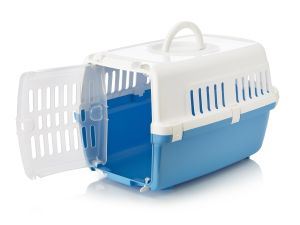
If possible, leave the carrier somewhere your cat spends time several days before the journey. Remove the door or keep it propped open and place familiar bedding inside. You can add a favourite toy or a few treats, allowing your cat to investigate at their own pace.
Do not immediately shut the door when your cat steps inside. Instead, reward calm behaviour and let your cat come out again. Repeat this regularly. Over time, your cat can learn that entering the carrier does not automatically mean a trip to the vet.
For particularly cautious cats, start with the carrier at a distance and gradually move it closer. Never chase your cat with it. The aim is to reduce fear, not create a new reason to hide.
Encourage Your Cat Inside
When it is time to travel, prepare everything before you bring your cat into the room. Close windows and doors so there are no escape routes, and keep other pets and children away. Place the carrier on a stable surface with the opening ready.
Use treats, food or a favourite toy to encourage your cat towards the carrier. Stay quiet and move slowly. If your cat walks in voluntarily, reward them and gently close the door.
Some cats will refuse to enter despite encouragement. In that situation, avoid repeatedly pushing their head or legs towards the opening. This can increase fear and make future attempts harder.
Use a Calm Loading Technique
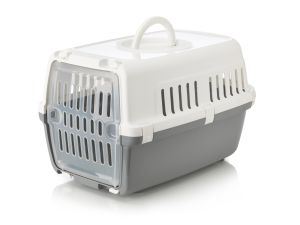
If your cat will not enter voluntarily, a carrier with a removable top can be especially useful. Remove the top, place a towel or familiar blanket in the bottom, and gently lower your cat into the base. Keep movements controlled and support your cat securely.
Alternatively, you can stand the carrier upright, with its doorway facing upwards, and lower your cat in hindquarters first. This can be easier than trying to push a frightened cat forwards through a doorway.
A towel can provide gentle restraint and reduce visual stimulation. Wrap your cat loosely enough to allow comfortable breathing and movement, then place them into the carrier. Never cover the face or use excessive force.
Keep the Journey Secure
Once your cat is inside, make sure the carrier is properly fastened before moving it. Carry it with two hands where possible, keeping it level and avoiding sudden movements. In a car, secure the carrier so it cannot slide around. Never allow your cat to travel loose in the vehicle.
A familiar-smelling blanket can help your cat settle. Keep the environment quiet and avoid opening the carrier during the journey, even if your cat is vocal. Meowing does not necessarily mean something is wrong; many cats simply dislike travelling.
If your cat becomes extremely distressed during transport, speak to your vet before the next journey. They can advise on ways to reduce travel anxiety and, where appropriate, discuss medication.
Practise Between Journeys
Carrier training works best when it is not limited to vet visits. Leave the carrier accessible at home and continue rewarding your cat for resting or entering inside. Occasionally close the door for a few seconds, then open it and reward calm behaviour. Gradually increase the time.
You can also lift the carrier briefly, put it down and reward your cat, before progressing to short journeys. The objective is to build positive associations gradually.
Never punish your cat for resisting the carrier. Patience is far more effective than force, and repeated calm practice can make a noticeable difference.
Make Safety a Priority
Never leave a cat unattended in an unsecured carrier, and check the carrier before every trip for cracks, loose clips or damaged doors. If your cat is likely to scratch, make sure your hands and face stay clear while loading. Avoid squeezing your cat into a carrier that is too small, and do not attempt to force a struggling animal through a narrow opening. If you feel unable to load your cat safely, stop and seek advice from your veterinary practice. A calmer, planned approach is always preferable to a rushed struggle. Keep familiar smells during practice.
Conclusion
Getting a cat into a carrier does not have to become a wrestling match. Preparation, patience and a suitable carrier can make the process easier. Make the carrier part of normal life, use treats and familiar bedding to create positive associations, and practise closing and lifting it when there is no appointment. When you need to load your cat, keep the room secure, stay calm and use a gentle technique rather than chasing or forcing them. For anxious cats, ask your vet for personalised advice. With consistent practice, even a reluctant traveller can become more comfortable with their carrier.
Find something for the occasion
Search thousands of products from independent sellers, or start with a category.