How To Clean A Camping Chair
Darren Butler
5 June 2026
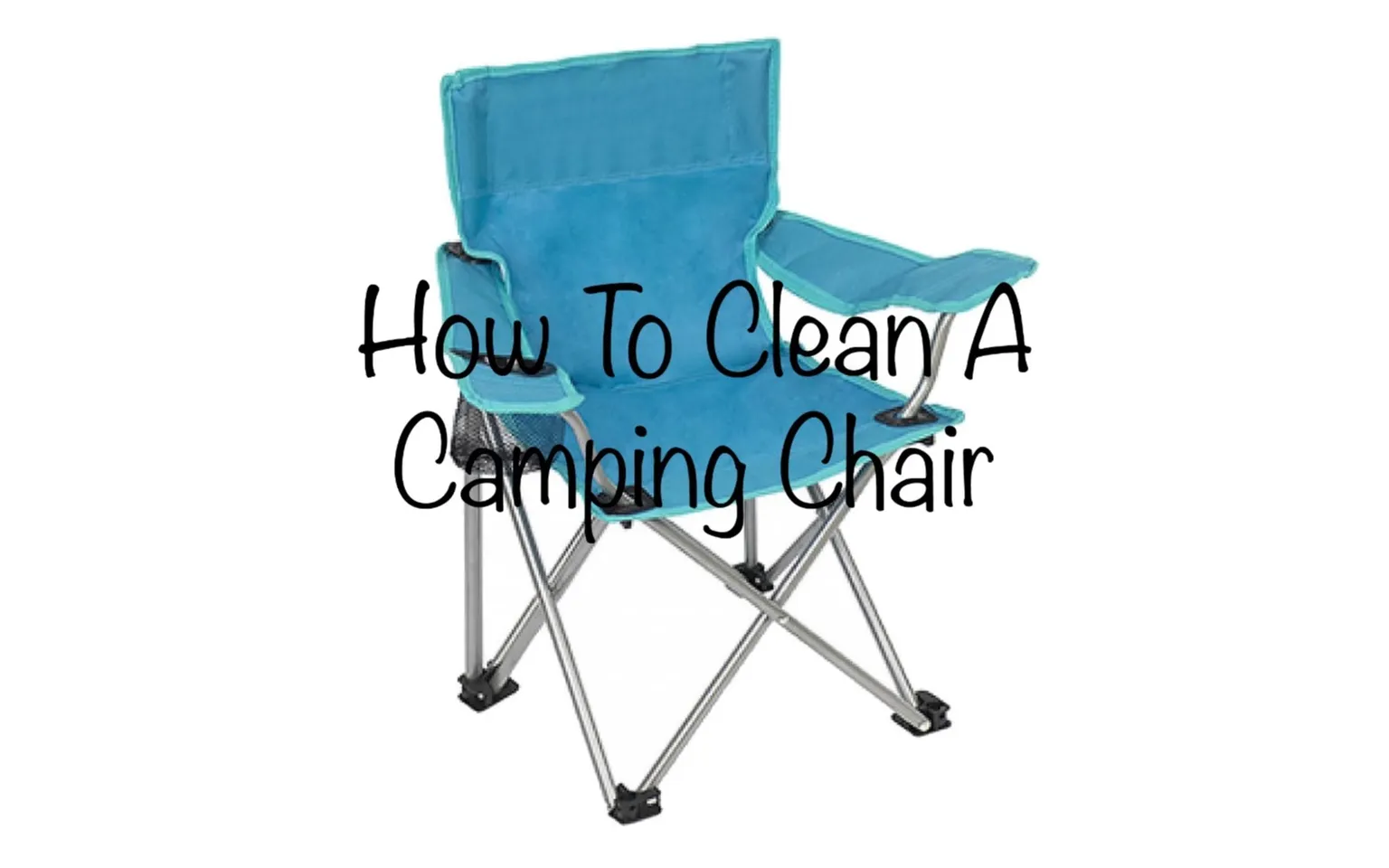
A camping chair is one of the most useful pieces of outdoor equipment, providing comfort whether you're relaxing at a campsite, attending a festival, fishing by a lake, or enjoying a day at the beach. However, regular use often leaves camping chairs covered in dirt, mud, food stains, grass, and even mould. Without proper cleaning, these contaminants can shorten the chair's lifespan and make it less pleasant to use. Fortunately, cleaning a camping chair is a straightforward task that requires only a few basic supplies and a little time. This guide explains how to clean a camping chair thoroughly and keep it in excellent condition.
Why Cleaning Your Camping Chair Matters
Many people fold up their camping chair after a trip and store it away without giving it a second thought. Over time, however, dirt and moisture can build up on the fabric and frame. This can lead to unpleasant odours, staining, corrosion of metal components, and mould growth.
Regular cleaning not only improves the chair's appearance but also helps maintain its structural integrity. By removing dirt and moisture, you can prevent premature wear and ensure your chair remains comfortable and safe to use for many outdoor adventures to come.
Gather Your Cleaning Supplies
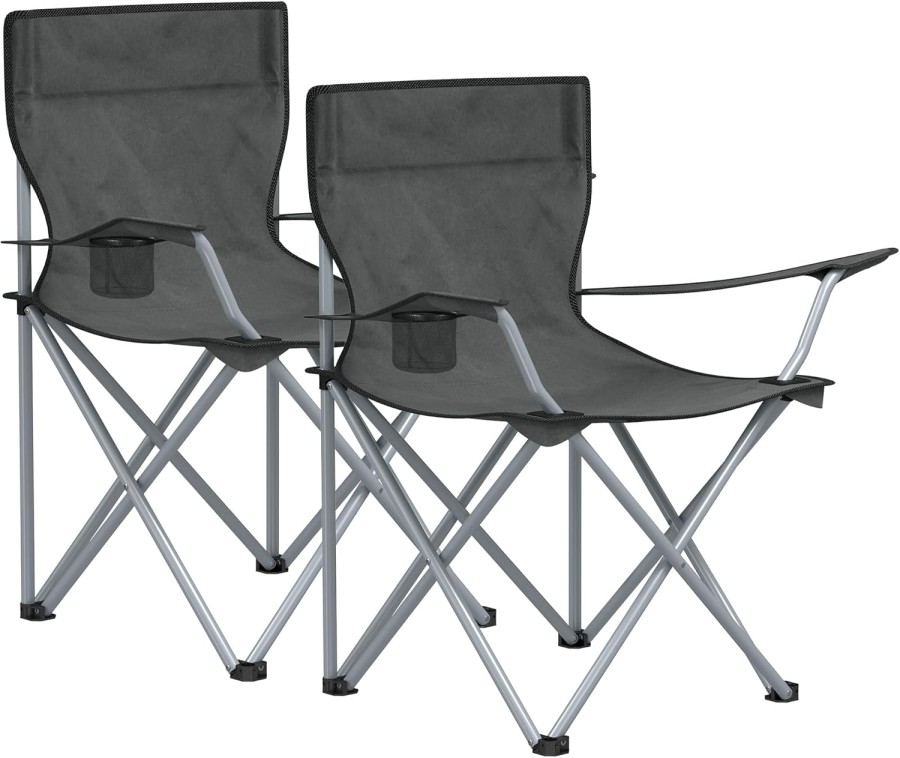
Before you begin, collect the necessary cleaning materials. Most camping chairs can be cleaned using simple household items.
You will need:
- Warm water
- Mild washing-up liquid
- A soft sponge or cloth
- A soft-bristled brush
- A bucket
- Clean towels
- A garden hose (optional)
- White vinegar for mould removal
- Lubricant spray for moving parts (optional)
Avoid using harsh chemicals, bleach, or abrasive scrubbing tools unless the manufacturer's instructions specifically recommend them. These products can damage the fabric or protective coatings on the frame.
Check the Manufacturer's Instructions
Camping chairs are made from a variety of materials, including polyester, nylon, canvas, steel, and aluminium. Before cleaning, check the care label or manufacturer's guidelines if available.
Some premium camping chairs may have removable fabric sections that can be machine washed, while others require hand cleaning only. Following the recommended cleaning method will help prevent accidental damage.
Remove Loose Dirt and Debris
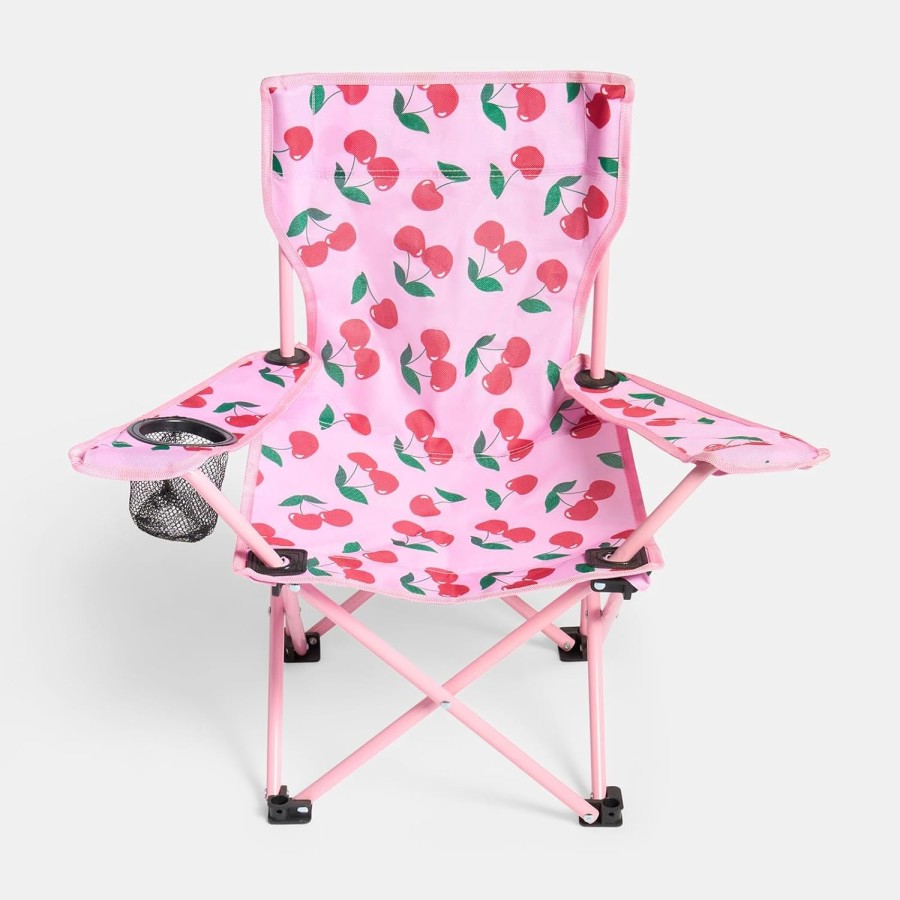
Start by unfolding the chair completely and shaking it gently to remove loose dirt, leaves, sand, and debris. Pay particular attention to cup holders, pockets, seams, and corners where dirt often accumulates.
If the chair is heavily soiled, use a soft brush or vacuum cleaner with a brush attachment to remove stubborn dirt before introducing water. This step prevents mud from spreading during the cleaning process.
Clean the Fabric Thoroughly
Fill a bucket with warm water and add a small amount of mild washing-up liquid. Mix until a gentle soapy solution forms.
Dip a sponge or cloth into the solution and wipe down the entire fabric surface. Work methodically from top to bottom, paying special attention to stained or heavily used areas.
For stubborn stains, use a soft-bristled brush to gently scrub the affected area. Avoid applying excessive pressure, as this may damage the fabric fibres.
If the chair fabric can be removed according to the manufacturer's instructions, you may choose to wash it separately. Always follow the care guidelines regarding water temperature and drying methods.
Tackle Mould and Mildew
Camping chairs are often stored while slightly damp, making them susceptible to mould and mildew growth. If you notice black spots, musty odours, or discolouration, you'll need to address the issue promptly.
Mix equal parts white vinegar and water in a spray bottle. Apply the solution to the affected areas and leave it for around 15 minutes. Then gently scrub with a soft brush before rinsing thoroughly.
White vinegar is effective at killing mould spores while being less harsh than many chemical cleaners. For severe infestations, multiple treatments may be necessary.
Always perform mould removal outdoors or in a well-ventilated area.
Clean the Frame
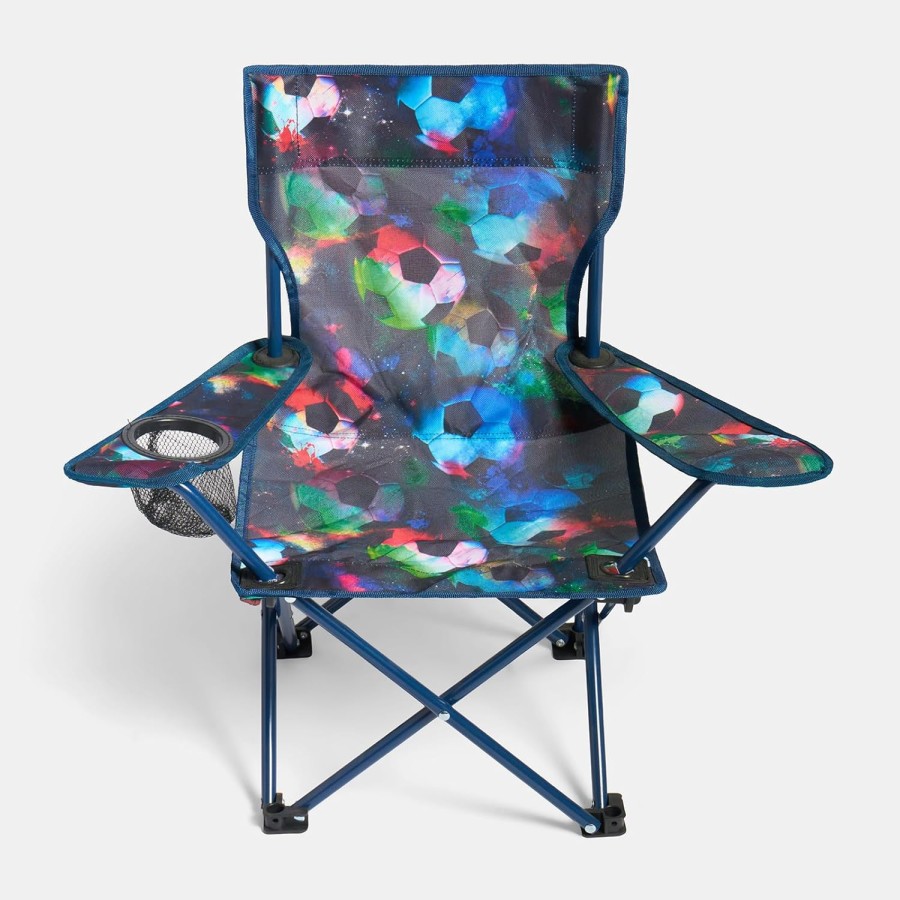
The frame of a camping chair also requires attention. Dirt, mud, and moisture can accumulate on metal surfaces, leading to corrosion over time.
Use a cloth dipped in the soapy water solution to wipe down all frame components. Focus on joints, hinges, armrests, and legs where grime tends to collect.
For stubborn dirt, use a soft brush to loosen deposits before wiping them away. Avoid soaking the frame unnecessarily, especially if it contains steel components that may rust.
Once cleaned, wipe the frame with a damp cloth to remove soap residue.
Rinse the Chair
After cleaning both the fabric and frame, rinse the chair thoroughly using clean water. A garden hose works well for this step, but a bucket of clean water can also be used.
Ensure all soap residue is removed, as leftover detergent may attract dirt or leave marks on the fabric once dry.
Take care not to use high-pressure water jets, which can damage stitching or weaken certain materials.
Dry the Chair Properly
Proper drying is one of the most important steps in the cleaning process. Folding and storing a damp camping chair can quickly lead to mould, mildew, and unpleasant odours.
Place the chair in a sunny, well-ventilated location and allow it to air dry completely. If possible, leave it unfolded during drying so that all areas receive adequate airflow.
Use clean towels to remove excess water and speed up the drying process. Check hidden areas, seams, and folds carefully before storage.
Lubricate Moving Parts
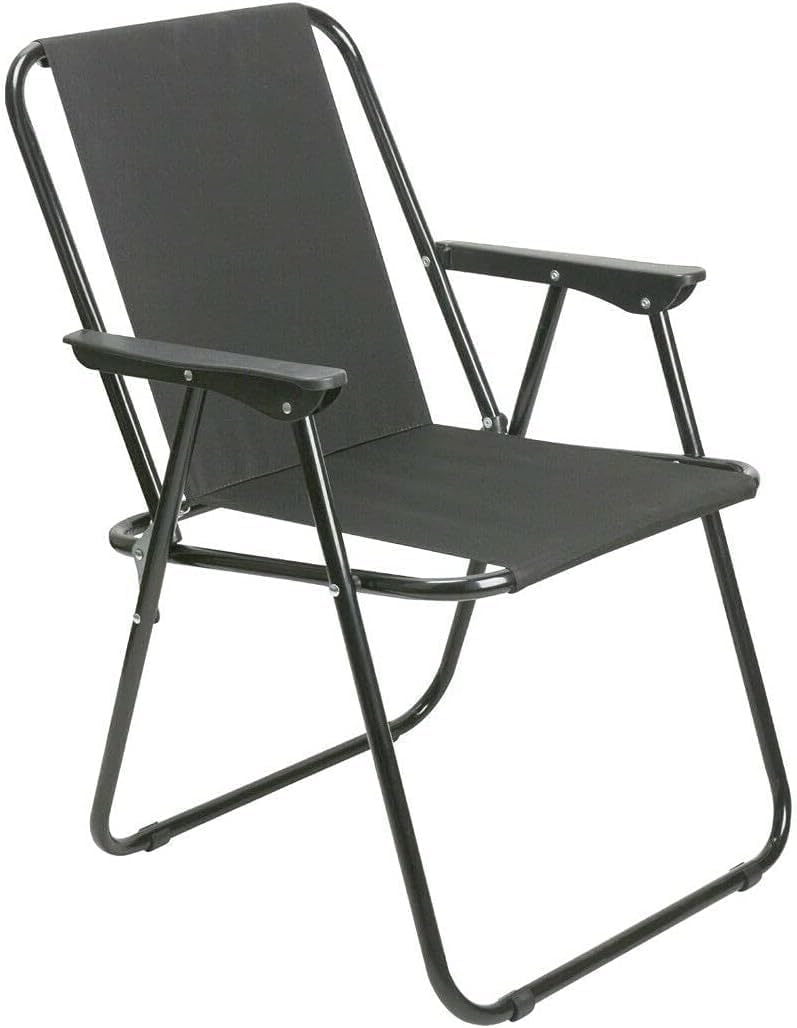
Many camping chairs feature folding mechanisms and hinges that benefit from occasional lubrication.
Once the chair is clean and dry, apply a small amount of lubricant spray to moving parts if they feel stiff or squeak during operation. Wipe away any excess lubricant to prevent dirt accumulation.
Regular maintenance can help ensure smooth operation and reduce wear on mechanical components.
Store Your Camping Chair Correctly
Cleaning your chair is only part of the maintenance process. Proper storage helps keep it in excellent condition between trips.
Store the chair in a cool, dry place away from direct sunlight and excessive humidity. If the chair came with a carry bag, ensure it is completely dry before placing it inside.
Avoid storing heavy objects on top of the chair, as prolonged pressure can distort the frame or damage the fabric.
Inspect the chair periodically, especially if it has been stored for several months.
Conclusion
Cleaning a camping chair is a simple but essential maintenance task that can significantly extend its lifespan. By regularly removing dirt, treating stains, eliminating mould, and caring for the frame, you can keep your chair looking and performing at its best. The process requires only basic cleaning supplies and a little effort, yet it helps prevent costly replacements and ensures greater comfort on future outdoor adventures. Whether you camp occasionally or spend every weekend outdoors, developing a regular cleaning routine will keep your camping chair fresh, functional, and ready for your next trip into the countryside.
Find something for the occasion
Search thousands of products from independent sellers, or start with a category.