How to Bleed a Radiator
Darren Butler
1 May 2026 (updated 15 May 2026)
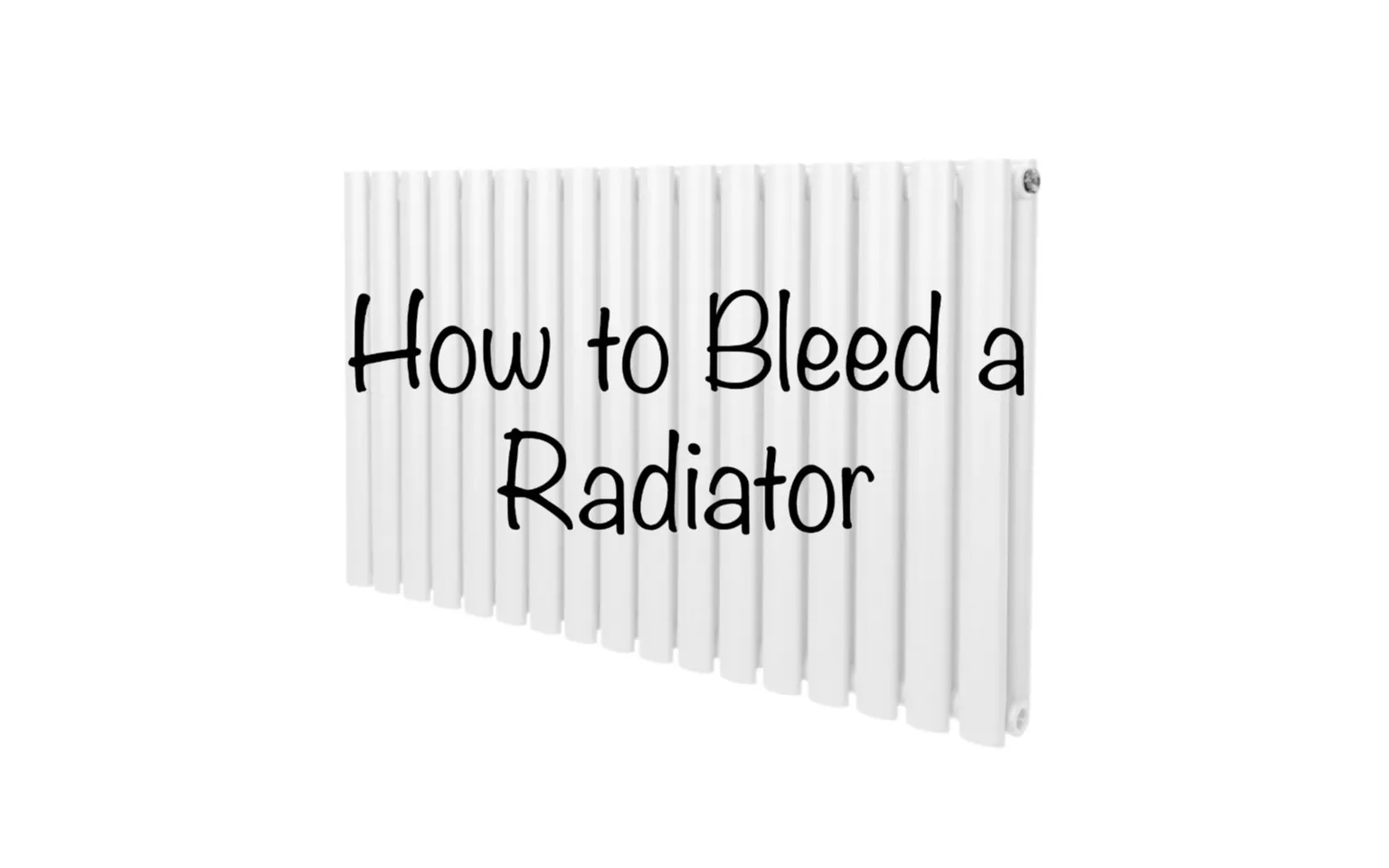
If your radiators are taking longer to heat up or have cold spots at the top, there’s a good chance they need bleeding. Trapped air inside your central heating system can prevent hot water from circulating properly, reducing efficiency and leaving your home less comfortable. Fortunately, bleeding a radiator is a straightforward task that most homeowners in the UK can do themselves without professional help. With just a few basic tools and a little care, you can restore your heating system’s performance, improve energy efficiency, and keep your home warm throughout the colder months.
What Does “Bleeding a Radiator” Mean?
Bleeding a radiator simply means releasing trapped air from inside it. Over time, air can enter your central heating system and rise to the top of your radiators. Because air doesn’t conduct heat like water does, this creates cold patches—usually at the top—while the bottom remains warm.
Removing this trapped air allows hot water to fill the entire radiator again, ensuring it heats evenly and efficiently.
Signs Your Radiator Needs Bleeding
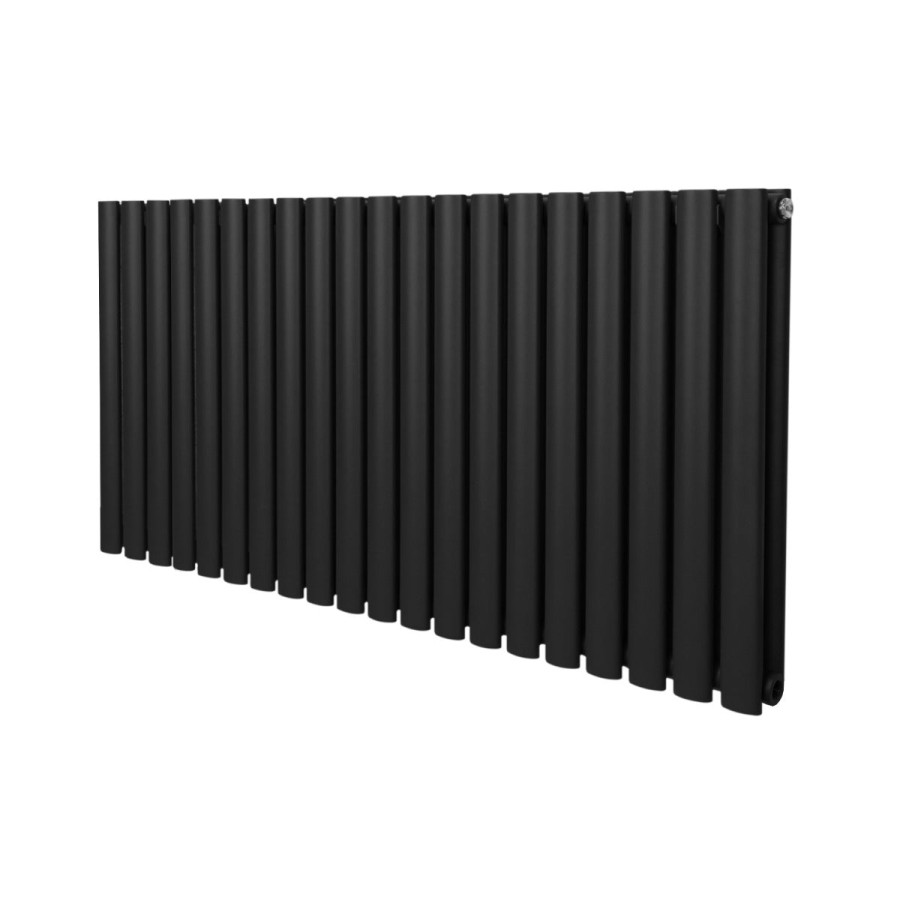
Before jumping in, it’s worth confirming whether your radiator actually needs bleeding. Common signs include:
- Cold spots at the top of the radiator
- Gurgling or bubbling noises when the heating is on
- Radiators taking longer than usual to heat up
- Uneven heating across different rooms
If you notice any of these issues, bleeding your radiator is likely the solution.
Tools You’ll Need
Bleeding a radiator doesn’t require much equipment. Gather the following before you begin:
- A radiator key (available from most DIY shops)
- A cloth or rag
- A small container or bowl to catch water
- Optional: gloves to protect your hands
Having everything ready will make the process quicker and cleaner.
Step-by-Step Guide to Bleeding a Radiator
1. Turn Off Your Heating
Before you start, switch off your central heating system and allow the radiators to cool down completely. This is important for safety and ensures the system isn’t actively circulating water while you’re working.
2. Locate the Bleed Valve
The bleed valve is usually found at the top corner of the radiator. It looks like a small square or slotted screw. This is where the trapped air will escape.
3. Prepare for Water Drips
Place your cloth and container directly beneath the valve. While you’re primarily releasing air, a small amount of water will follow, so it’s best to be prepared.
4. Open the Valve
Insert your radiator key into the valve and slowly turn it anticlockwise. You should hear a hissing sound—this is the trapped air escaping.
Be careful not to open the valve too quickly or too much, as this can cause water to spray out.
5. Wait for the Air to Escape
Allow the air to fully escape. Once the hissing stops and a steady stream of water begins to flow, the radiator is fully bled.
At this point, turn the valve clockwise to close it again. Make sure it’s secure, but don’t overtighten.
6. Check the Boiler Pressure
After bleeding one or more radiators, check your boiler pressure gauge. Bleeding releases air but can slightly reduce system pressure.
If the pressure is too low, you may need to top it up using the filling loop on your boiler. Consult your boiler manual if you’re unsure how to do this.
7. Turn the Heating Back On
Switch your heating system back on and allow it to warm up. Check the radiator you’ve just bled—it should now heat evenly from top to bottom.
Should You Bleed All Radiators?
If one radiator needed bleeding, others might too. It’s often a good idea to check all radiators in your home, especially if you’ve noticed uneven heating.
Start with the radiator furthest from the boiler and work your way closer. This helps ensure the entire system is balanced and free of trapped air.
How Often Should You Bleed Radiators?
In most UK homes, bleeding radiators once or twice a year is sufficient. A good time to do this is before winter, when you’re about to rely heavily on your heating system.
However, if you notice any of the warning signs mentioned earlier, don’t wait—bleed the radiator as needed.
Common Mistakes to Avoid
While bleeding a radiator is simple, there are a few common pitfalls:
- Bleeding while the heating is on – This can be dangerous and ineffective
- Opening the valve too much – Can lead to unnecessary water spillage
- Forgetting to check boiler pressure – May cause heating issues later
- Ignoring persistent problems – If radiators keep needing bleeding, there may be a deeper issue, such as a leak or sludge build-up
When to Call a Professional
If bleeding your radiators doesn’t solve the problem, it may be time to seek professional help. Persistent cold spots, frequent air build-up, or low pressure could indicate:
- A faulty pump
- Sludge or debris in the system
- Leaks allowing air into the system
A qualified heating engineer can diagnose and fix these issues safely.
Conclusion
Bleeding a radiator is one of the simplest and most effective ways to maintain your home’s heating system. By removing trapped air, you can improve efficiency, reduce energy costs, and ensure your radiators heat evenly. With just a radiator key and a few minutes of your time, this small task can make a noticeable difference to your comfort—especially during the colder months in the UK. Regular maintenance, including checking for cold spots and monitoring boiler pressure, will help keep your system running smoothly. When in doubt, don’t hesitate to seek professional advice to avoid more serious heating problems later on.
Find something for the occasion
Search thousands of products from independent sellers, or start with a category.